Arabic
  English
  German
  Spanish
  Italian
  Russian
  Korean
  Japanese
  French
  Dutch
Dutch  Danish
  Norwegian
  Portuguese
  Turkish
  Czech
Czech  Lithuanian
  Polish
  Slovenian


Plastic Bottle Caps: Types, Applications, and How to Choose
جدول المحتويات
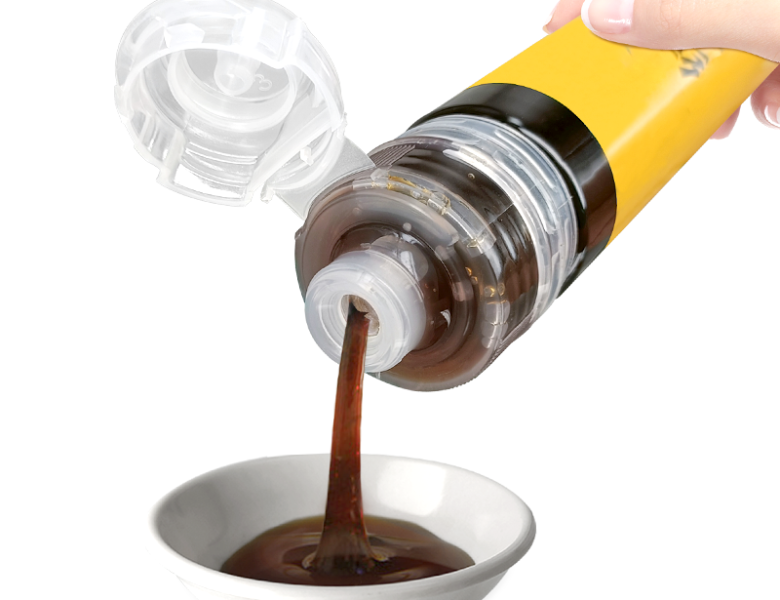
Plastic Bottle Caps play a quiet yet critical role across packaging systems. Many buyers focus on bottle shape or label design first. However closure performance often decides product success after purchase. A poorly matched cap causes leaks contamination or user frustration within days. Because of that reason brands now invest more time evaluating cap structures materials and compatibility.
Meanwhile Plastic Bottle Caps continue evolving with smarter sealing systems and user-friendly designs. Flip mechanisms squeeze formats and valve integrations now appear across food cosmetic and industrial packaging. As consumer habits shift toward convenience clean usage and portability closures must keep up. Therefore companies rely on experienced bottle manufacturer partners for consistent supply and reliable engineering.
Additionally modern packaging demands more than simple sealing. Caps must support hygiene prevent leakage and maintain freshness under varying conditions. Because transportation and storage environments fluctuate greatly closures must perform under pressure temperature swings and repeated use cycles. This article explores types uses and selection methods while highlighting real solutions for buyers.
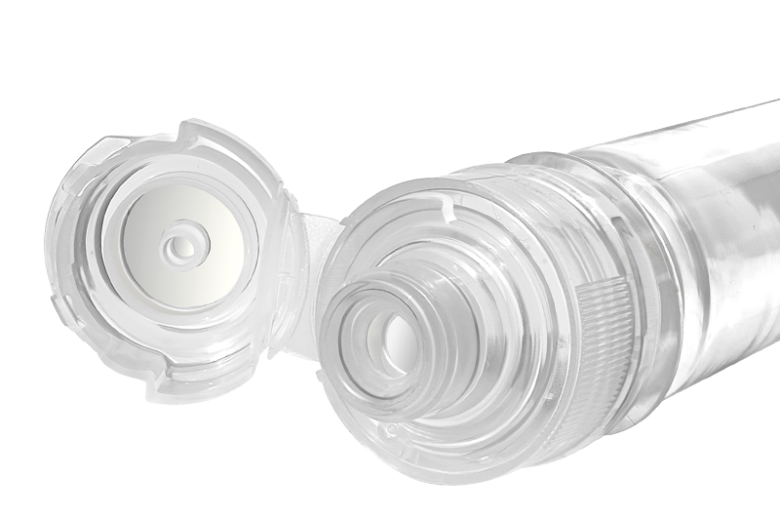
What Are Plastic Bottle Caps
Definition and Functional Purpose of Plastic Bottle Caps
Plastic Bottle Caps serve as sealing components placed on containers for protection and controlled dispensing. They prevent external contamination while keeping internal contents stable. Most caps include threads snap fits or hinge systems depending on application needs.
Additionally many designs integrate flow control features. These features allow users to dispense liquids or gels without mess. Some advanced closures include a silicone dispensing valve for precise output.
Types of Plastic Bottle Caps for Different Applications
Screw Caps for Secure Sealing
Screw caps remain widely used due to simple design. They provide tight closure through threaded engagement. Many beverage and chemical containers rely on this format.
However users must remove and reapply caps each time. That process may slow usage and increase contamination risk.
Flip Top Caps and Squeeze Bottle Flip Top Solutions
Flip top caps attach a hinged lid directly onto base. Users open cap with one hand then close quickly after dispensing. This format works well for shampoo sauces and lotions.
A squeeze bottle flip top allows controlled flow through light pressure. This design reduces waste while improving convenience during daily use.
Dispensing Caps with Silicone Dispensing Valve
Dispensing caps provide precision during product release. A silicone dispensing valve opens under pressure then closes instantly after use. This mechanism prevents backflow and limits air exposure.
Because of that feature many brands use this option for high-value liquids or sensitive formulas.
Push Pull Caps and Sports Closures
Push pull caps offer quick drinking access for sports bottles. Users pull spout upward then push down after use. These caps support hydration products and energy drinks.
Uses of Plastic Bottle Caps Across Industries
Food and Beverage Packaging Applications
Plastic Bottle Caps appear across sauces oils condiments and beverages. They protect flavor while preventing contamination. Flip top formats improve user experience in kitchens and restaurants.
Additionally dispensing caps help control portion size. That control reduces waste and improves cost efficiency.
Cosmetic and Personal Care Products
Personal care packaging depends heavily on closure performance. Shampoo lotion and cream packaging often uses flip top caps. These caps provide clean dispensing without excessive exposure.
A plastic squeeze tube paired with flip cap works well for creams gels and toothpaste.
Household and Industrial Use Cases
Cleaning products detergents and chemicals rely on durable caps. Strong sealing prevents leakage during storage or transport. Bottle manufacturer teams design caps that resist chemical corrosion.
Industrial packaging also uses dispensing caps for measured output.
How To Choose The Right Plastic Bottle Cap
Match Cap Type With Product Viscosity
Thin liquids require narrow openings. Thick products need wider dispensing channels. Choosing wrong design leads to poor user experience.
Therefore testing with actual product remains essential before final selection.
Consider Compatibility With Bottle Manufacturer Standards
Cap dimensions must match bottle neck finish. Standard sizes like 28 410 or 38 400 simplify sourcing. Working with experienced bottle manufacturer partners reduces mismatch risk.
Evaluate Hygiene and Safety Requirements
Food and cosmetic products demand clean dispensing systems. Flip top caps or valve closures help limit contamination. Tamper evident features also improve consumer trust.
Balance Cost and Performance
Lower cost options may reduce initial expenses. However poor sealing or leakage increases long term costs. Smart buyers evaluate total lifecycle cost rather than unit price.
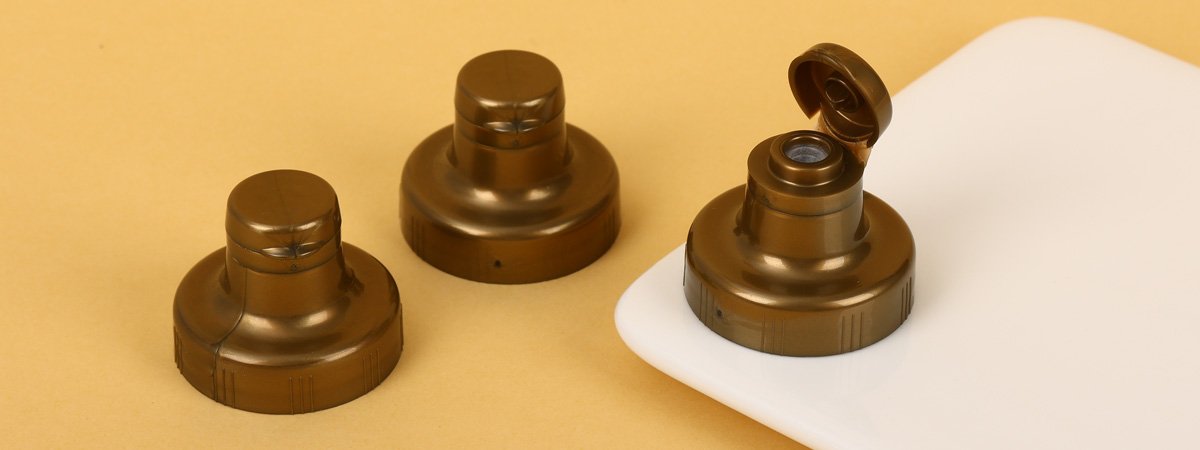
Benefits of Using Plastic Bottle Caps
Convenience for Daily Use
Plastic Bottle Caps offer simple operation for users. Flip top designs allow one-hand access. This feature proves valuable during cooking sports or travel.
Hygiene Protection
Caps prevent external contaminants from entering containers. Valve systems further reduce exposure. Clean dispensing supports food safety and personal care standards.
Preservation of Product Quality
Sealed caps protect contents from air moisture and bacteria. This protection helps maintain taste texture and effectiveness over time.
Safety During Transport
Strong closures prevent leakage during shipping. This reduces product loss and protects packaging integrity.
Cost-Effectiveness in Mass Production
Plastic caps support high-speed manufacturing. Lightweight materials reduce shipping cost. Standard molds improve production efficiency.
How Do Plastic Flip Top Caps Improve Packaging
Enhanced User Experience
Flip top caps simplify daily usage. Users open and close caps quickly without removing them. This design reduces handling time and improves satisfaction.
Better Leakage Prevention
Sealing structures inside flip caps block unwanted flow. Many designs include inner plugs or sealing rings. These features reduce leakage during transport.
Integration With Modern Packaging Trends
Flip top caps pair well with squeeze bottle formats. They also support silicone dispensing valve integration. This combination offers precise control and clean output.
Reduced Product Waste
Controlled dispensing prevents over-pouring. Users apply only needed amount. This benefit improves cost efficiency for both consumers and brands.
Working With Plastic Caps Manufacturer and Suppliers
Importance of Reliable Flip Top Cap Supplier
Choosing a trusted flip top cap supplier improves consistency. Reliable partners provide stable quality across batches. They also offer technical support during product development.
Quality Control and Production Expertise
Plastic caps manufacturer teams monitor molding precision material quality and sealing performance. Strong quality systems reduce defect rates and improve product reliability.
For More Information About Our Products And To Place An Order Visit Our Website Today
If you plan new packaging project now stands as right time for evaluation. XUFU provides complete closure solutions including flip top caps dispensing caps and valve systems. Our team supports design testing and production with stable quality.
Contact us today for samples technical support and pricing details. Let us help you find right closure for your product.
جميع الأغطية متوفرة في المخزون | توصيل سريع
احصل على عينة مجانية الآن
جاهز للشحن خلال 3 أيام. سعر تنافسي. عينات مجانية متاحة!
* الحد الأدنى لكمية الطلب 10,000 وحدة