Spanish
 English
 German
 Italian
 Russian
 Arabic
 Korean
 Japanese
 French
 Dutch
 Danish
 Norwegian
 Portuguese
 Turkish
 Czech
 Lithuanian
 Polish
 Slovenian



Why Honey Bottle Valves May Leak After Repeated Use
Índice
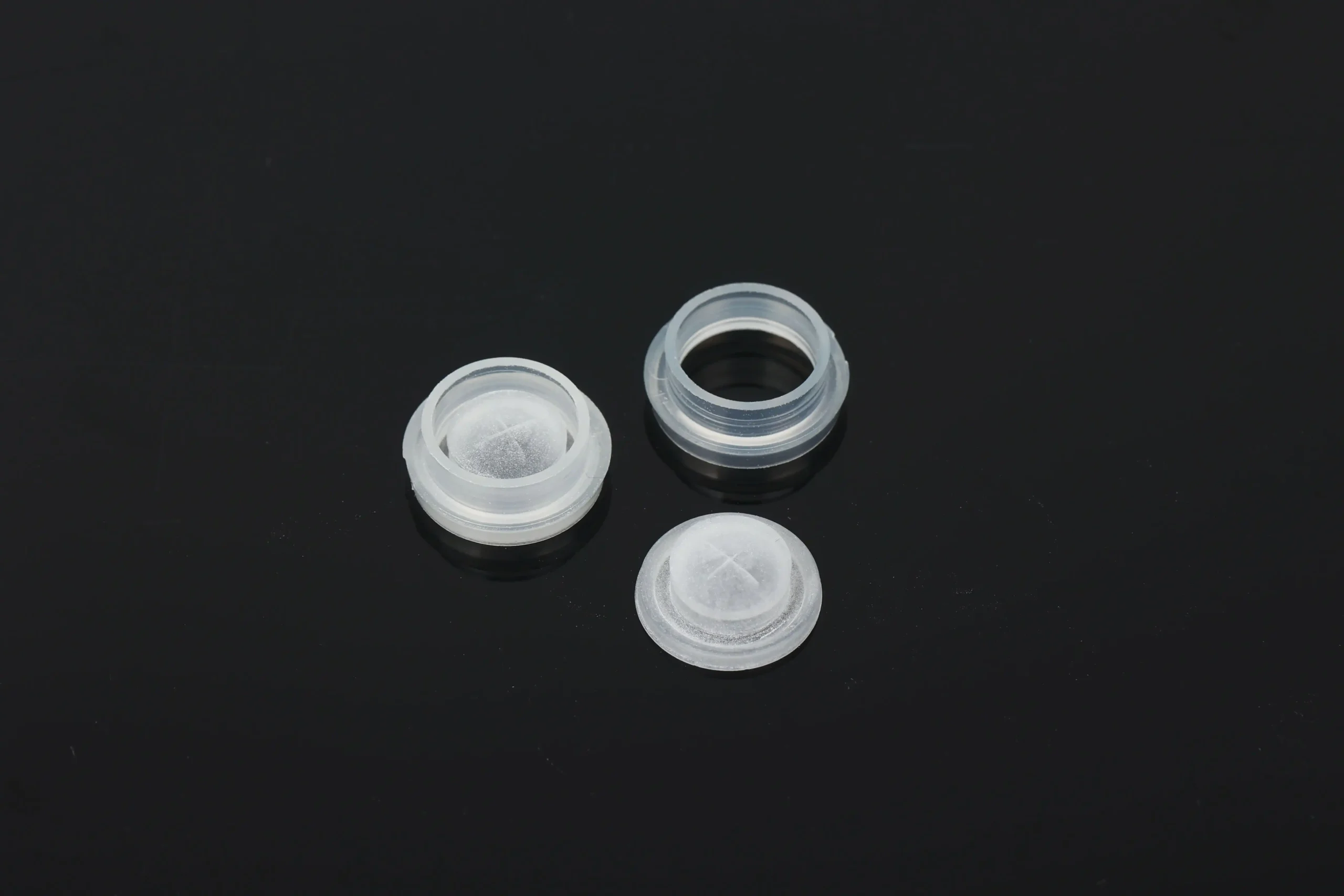
A valve can work well when a honey bottle is new, then start dripping after weeks of use. A food manufacturer in Iran contacted us after facing this problem with an inverted squeeze bottle. The company makes nuts and beverages and also produces honey under its Golverdi brand. It was looking for a new supplier for a silicone one-way valve for honey bottle envasado.
The customer shared that its previous valves had leaked. The inquiry did not include test results or enough technical details to identify the cause, so the first step would be to review the bottle, valve, and honey together.
How honey residue can affect the valve
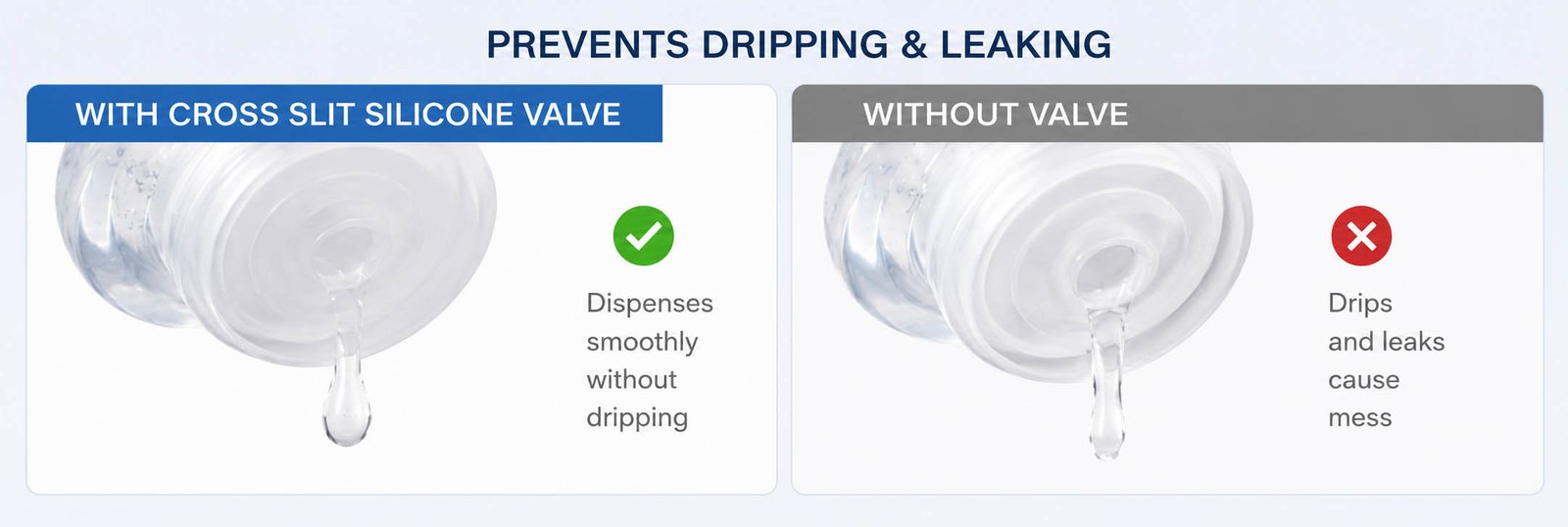
Honey can leave a sticky film around the dispensing opening. If residue gathers near the valve, it may affect how cleanly the valve closes after squeezing. The amount of buildup can depend on the honey, the valve design, and how the bottle is used.
When assessing a silicone one-way valve for honey bottle, inspect the outlet after repeated dispensing. Check whether honey remains on the valve, whether the opening returns to its closed position, and whether dripping continues after the bottle is released.
What repeated squeezing can reveal
A valve should be assessed over repeated use, not only with a single squeeze. Users may squeeze the bottle with different force, hold it at different angles, or leave it inverted between uses. These actions can reveal issues that a quick bench check may miss.
For the Iranian manufacturer, a useful evaluation would include samples fitted to its actual bottle and filled with its honey. The team could record how the valve dispenses at the start, after repeated squeezes, and after the bottle is stored upside down.
Artículos relacionados:
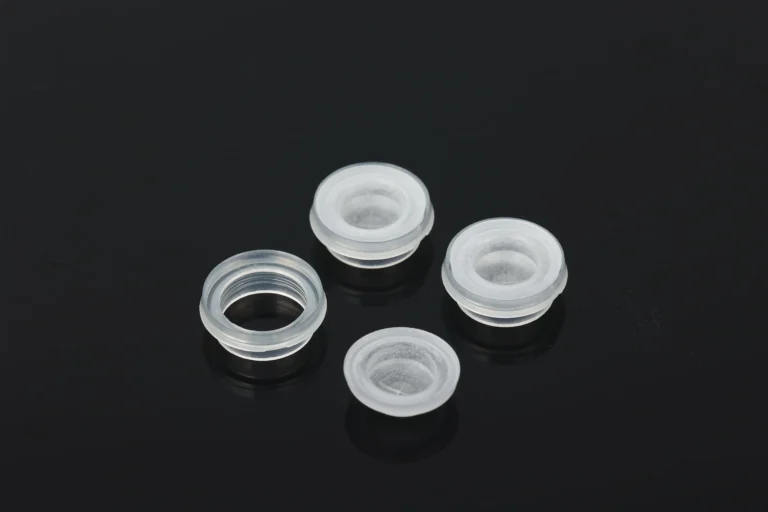
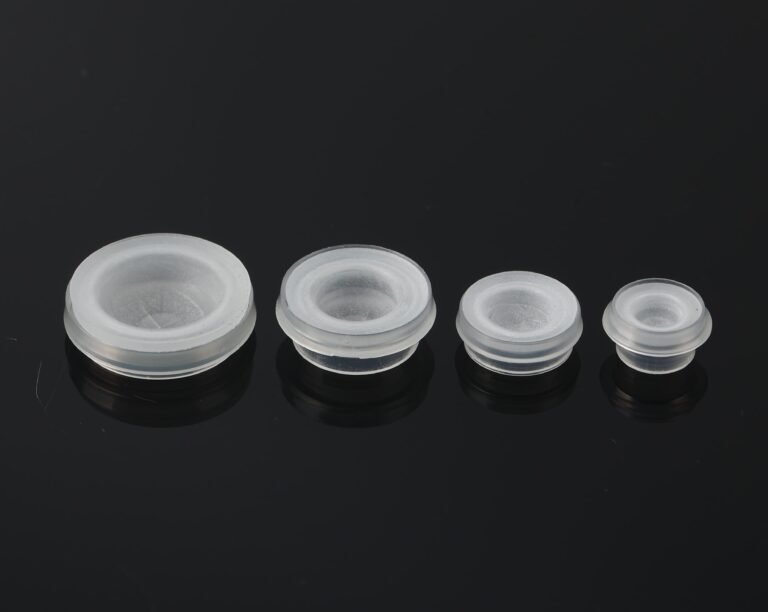
Check the bottle and valve fit
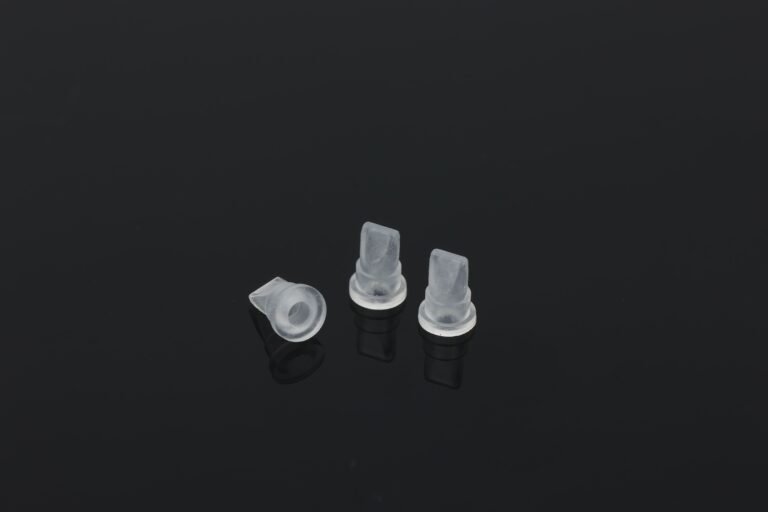
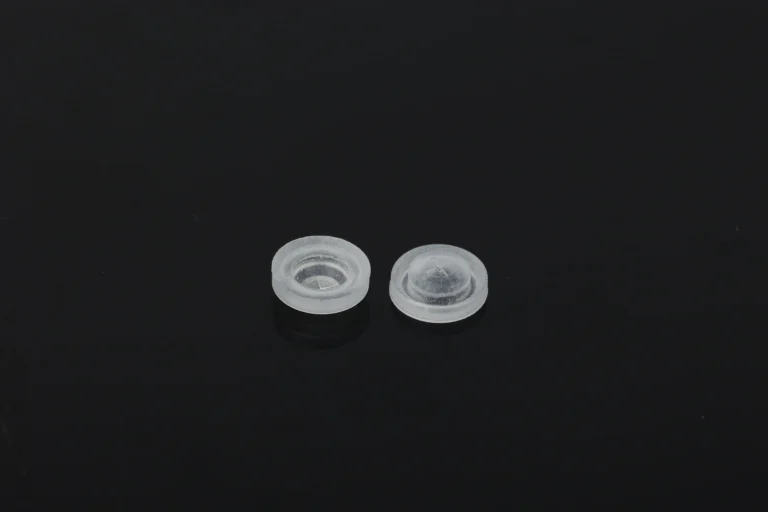
Leakage may come from the valve itself, or from the way the valve sits in the bottle opening. A valve that is not seated correctly may allow honey to pass around its edge. Bottle dimensions and the valve’s fit therefore need to be checked together.
Before selecting a replacement silicone one-way valve for honey bottle, compare the valve dimensions with the bottle design. Then install samples using the intended production method and inspect the fit around the full edge.
Consider honey texture and temperature
Honey’s flow can change with texture and temperature. A thicker product may need more squeezing, while a warmer product may flow more easily. These changes can affect how the valve opens and closes.
Test the silicone one-way valve for honey bottle with the actual product under the conditions customers are likely to encounter. Record the honey’s condition and temperature during the test so results can be compared fairly.
Compare replacement valves in everyday use
When reviewing a replacement, check ease of squeezing, flow control, closure after dispensing, and dripping during storage. Also inspect whether honey collects around the outlet after use.
A simple test plan can help the manufacturer compare options: use the same bottle and honey, apply a consistent number of squeezes, and check for leakage after dispensing and during inverted storage. This would help Rahmani Group decide whether a new silicone one-way valve for honey bottle meets its needs before placing a larger order.
Ahora te toca a ti
¿Quiere hacer un pedido? Póngase en contacto con nosotros!
Silicone One-Way Valve for Honey Bottle
Choosing a valve for honey packaging involves more than checking its size. Honey thickness, residue buildup, repeated squeezing, and bottle compatibility can all affect dispensing performance. These FAQs cover the key points buyers should review when evaluating a replacement valve.
01 Why might a honey bottle valve start leaking after repeated use? +
Residue, repeated squeezing, valve wear, or poor fit may contribute. The cause should be checked with the actual bottle and honey.
02 Can honey residue stop a one-way valve from closing fully? +
It may affect closure if residue builds up around the outlet. Inspect the valve after repeated dispensing to see whether it returns to its closed position.
03 Does honey thickness affect how a squeeze valve dispenses? +
Yes. A thicker product may require more force and can flow differently from a thinner product. Test with the intended honey.
04 How can I tell whether leakage comes from the valve or the bottle fit? +
Inspect the valve opening and the area where it meets the bottle. A sample test with careful observation can help identify where honey escapes.
05 What should I check before choosing a replacement valve? +
Check bottle compatibility, valve fit, dispensing force, closure after use, and leakage during storage. Use the actual honey in the evaluation.
Choosing the Right Silicone One-Way Valve for Honey Packaging
Rahmani Group’s inquiry points to a practical need: a valve that continues to dispense cleanly after repeated use. Reviewing the current bottle and product, then testing replacement samples under everyday conditions, can help identify a suitable silicone one-way valve for honey bottle envasado.
Todas las válvulas en stock | Entrega rápida
Obtenga ahora una muestra gratuita
Listo para enviar en 3 días. Precio competitivo. Muestras gratuitas disponibles.
*Cantidad mínima de pedido de 10.000 unidades.