French
 English
 German
 Spanish
 Italian
 Russian
 Arabic
 Korean
 Japanese
 Dutch
 Danish
 Norwegian
 Portuguese
 Turkish
 Czech
 Lithuanian
 Polish
 Slovenian



38-400 Honey Bottle Caps: Can One Closure Platform Support Multiple Bottle Sizes?
Table des matières
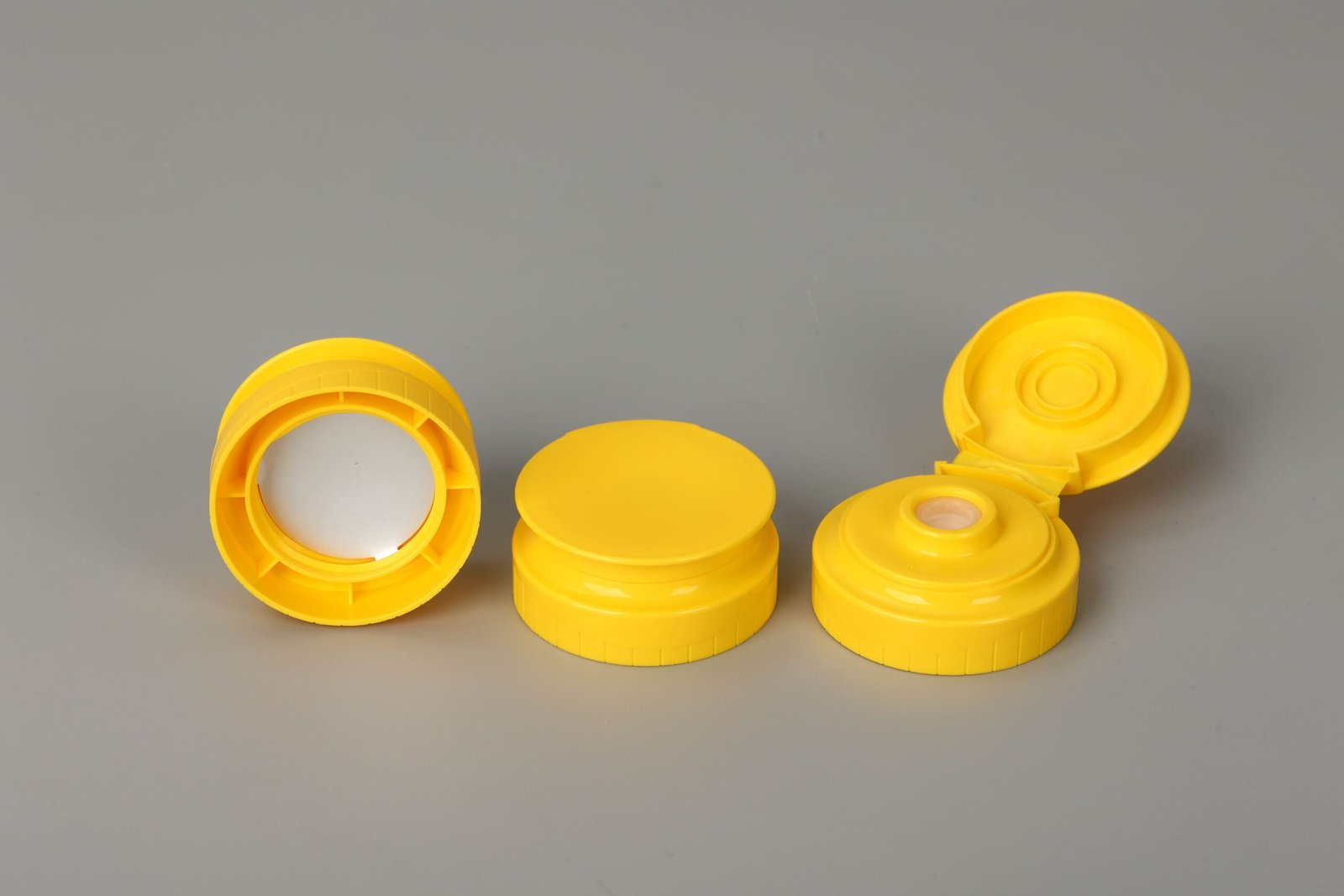
A buyer’s guide to evaluating one 38-400 closure across multiple honey bottle sizes, balancing neck compatibility, sealing requirements and dispensing performance.
A honey producer recently contacted us to request samples of two products: gold 38-400 bouchons de bouteilles and another option described simply as “38mm bottle caps.” The customer welcomed recommendations and indicated an estimated order quantity of 3,000–5,000 units, while the inquiry field showed a minimum of 10,000 units.
The request for 38-400 Honey Bottle Caps provided a starting point, but several details remained unclear. Were the two listed items different cap styles? Would they be used on the same bottle or different packaging formats? Could one closure platform meet the customer’s requirements?
This case is currently at the inquiry stage. The following outlines the proposed evaluation process—not a completed compatibility test or production result.
Understanding the Customer’s Packaging Range
Before recommending samples, we would ask the customer to share photographs, bottle drawings and details of the intended packaging.
The inquiry did not establish whether the producer used multiple bottle sizes. That question needs to be answered before proposing a shared closure platform.
For buyers considering 38-400 Honey Bottle Caps across a product range, a comparison sheet should identify:
Bottle capacity, shape and material
Complete neck-finish dimensions
Intended pouring or squeezing method
Required sealing components
Cap appearance and color
Expected quantity for each packaging format
This separates confirmed requirements from assumptions and gives the supplier a clearer basis for sample selection.
Shared Neck Finish Does Not Mean Automatic Approval
The 38-400 designation identifies a nominal neck-finish format, not bottle capacity. Different-sized bottles may therefore be candidates for a common cap.
However, a shared code alone does not establish complete compatibility. Detailed dimensions, tolerances and the sealing interface still need review, followed by assessment of assembled samples.
For this project, we would not recommend 38-400 Honey Bottle Caps solely because the customer listed “38mm” for the second item. We would first confirm whether that bottle also uses a 38-400 finish.
Articles connexes:
Define What “One Closure Platform” Includes
A shared platform does not necessarily mean every component remains identical.
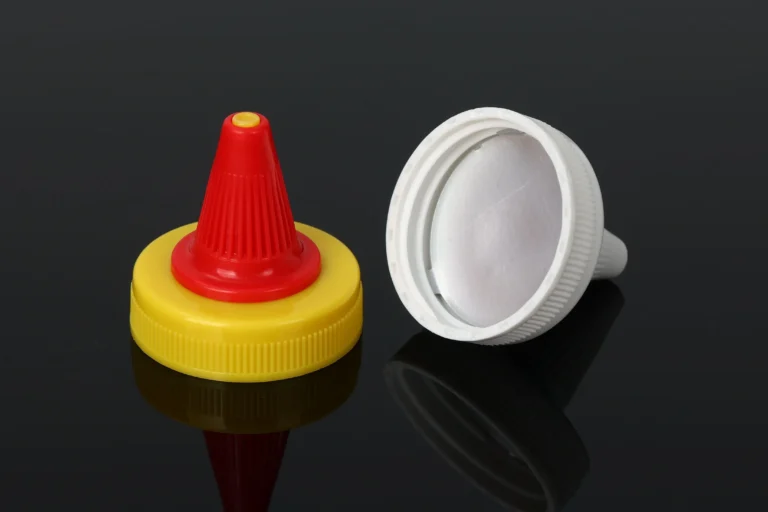
The customer may be able to use a common cap body while specifying a different liner or other component for particular bottles. For example, one commercial honey dispensing cap offers liner options for different plastic container materials, illustrating why the complete configuration must be defined.
When comparing 38-400 Honey Bottle Caps, the approval file should distinguish:
| Potentially shared elements | Items requiring individual confirmation |
|---|---|
| Cap body and external appearance | Bottle neck dimensions |
| Standard color | Sealing interface |
| Branding details | Liner selection |
| General closure style | Dispensing components and performance |
Evaluate Each Bottle-and-Cap Combination
If the customer confirms multiple bottle formats, each proposed combination should be included in an approval plan.
For 38-400 Honey Bottle Caps, the review should cover mechanical fit, closure seating and sealing. Where the cap dispenses honey, functional performance should also be assessed with the intended bottle and product. Correct thread engagement alone is not sufficient to approve the finished package.
A simple approval matrix can record each bottle reference, cap configuration, sample status and outstanding checks. This prevents approval on one bottle from being mistakenly applied to another.
Connect Standardization With the First Order
The customer’s requested 3,000–5,000 units also requires clarification against the displayed 10,000-unit minimum.
Before discussing whether 38-400 Honey Bottle Caps can be consolidated into one order, we would confirm whether the quantity is total or per item, whether standard gold stock is acceptable, and whether the supplier applies minimum quantities by style, color or component configuration.
These are questions for commercial review—not evidence that a lower MOQ has already been agreed.
38-400 Honey Bottle Caps Compatibility
Find answers about 38-400 honey bottle cap compatibility, different bottle capacities, neck-finish specifications, liner selection, sample testing, and shared closure platforms for honey packaging projects.
01
Can one cap work across different honey bottle capacities?
Potentially, provided the detailed neck and sealing requirements are compatible. Each combination still needs confirmation.
02
Does the same neck-finish code guarantee compatibility?
No. Drawings, dimensional tolerances and assembled samples remain important.
03
Can the cap body stay the same while the liner changes?
Possibly. The supplier must confirm the appropriate configuration for each container material.
04
What should the customer send first?
Bottle photographs, neck drawings, physical samples where available, intended use and quantities for each format provide a practical starting point.
05
Has a shared platform been approved in this case?
Not yet. The available information supports an inquiry review, but no multi-bottle testing or approval has been reported.
Next Steps for This Honey Packaging Inquiry
The next step is to clarify the two requested cap options and establish the customer’s actual bottle range. Only then can suitable samples and a bottle-by-bottle evaluation plan be proposed.
For buyers sourcing 38-400 Honey Bottle Caps, this approach keeps standardization practical: share components where justified, document exceptions where necessary, and approve each complete package before volume purchasing.
Toutes les vannes sont en stock et livrées rapidement
Obtenir un échantillon gratuit
Prêt à être expédié dans les 3 jours. Prix compétitif. Echantillons gratuits disponibles !
*Quantité minimale de commande de 10 000 unités.