Italian
  English
  German
  Spanish
  Russian
  Arabic
  Korean
  Japanese
  French
  Dutch
Dutch  Danish
  Norwegian
  Portuguese
  Turkish
  Czech
Czech  Lithuanian
  Polish
  Slovenian

Casi di studio
- Casa
- Casi di studio
- leakproof valve for HDPE bottles
Silicone Valves for Leakproof HDPE Bottles in Vacuum Dispensing Applications
Indice dei contenuti
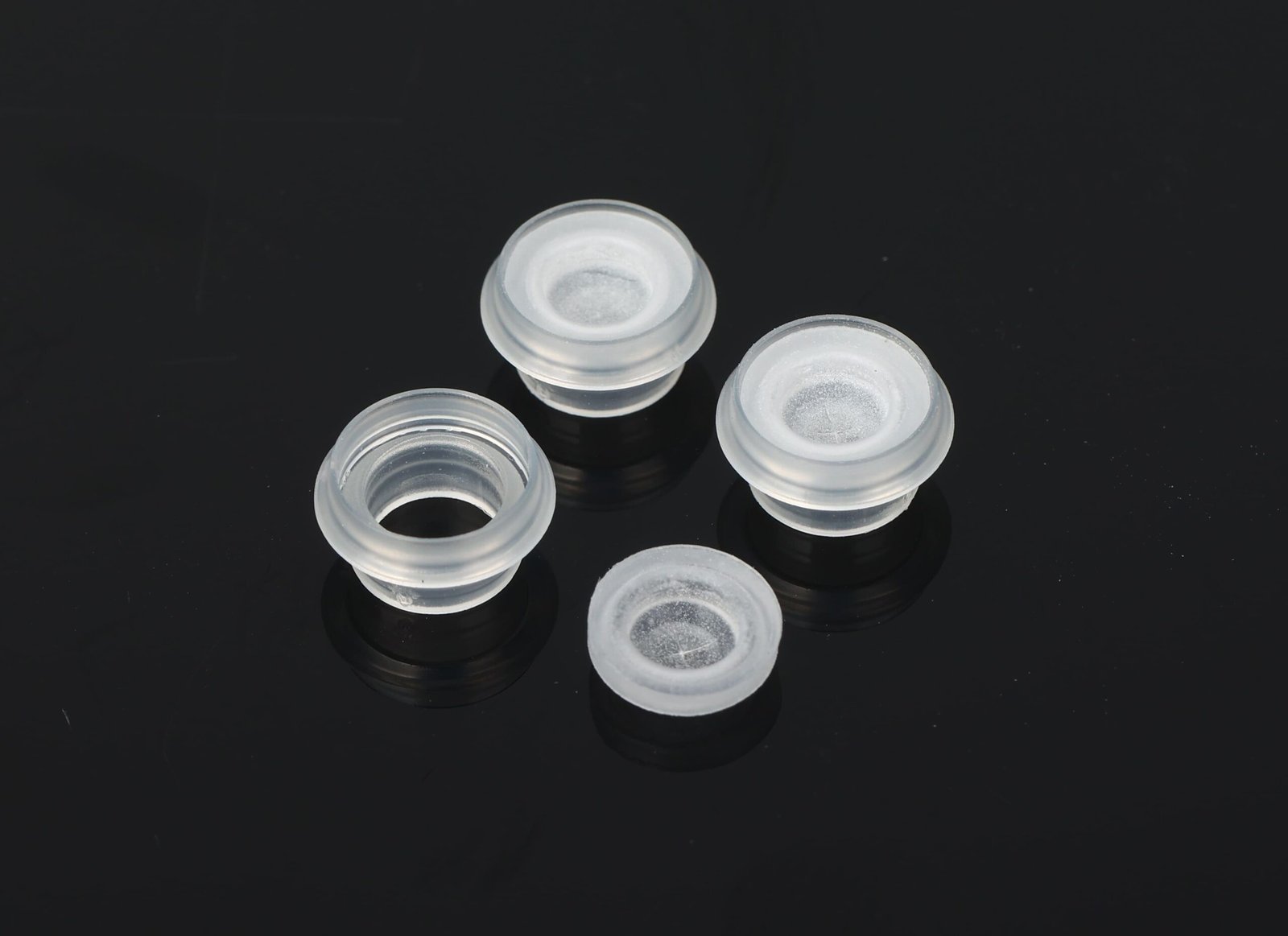
A packaging valve must do more than control liquid flow. In some applications, it must work under vacuum, fit a specific bottle closure, and stop leakage the moment the container is removed from the machine.
That was the situation faced by a customer using a GL25 HDPE bottle for liquid fertilizer. The bottle was mounted upside down on a mixing machine and connected to a vacuum pump. The pump drew fertilizer from the bottle during operation. The problem appeared when the operator removed the bottle before it was empty. The remaining liquid needed to stay inside.
The customer was looking for a leakproof valve for HDPE bottles that could handle this complete operating cycle.
Why HDPE Fertilizer Bottles Need Reliable Sealing
A standard bottle opening may work when a product is poured by hand. It is less suitable when the bottle contains liquid fertilizer and must connect to equipment.
Liquid fertilizer can come into contact with the cap, valve, and sealing surfaces for long periods. During storage and transport, the bottle may also face vibration, pressure changes, or an inverted position. A small leak can waste product, stain equipment, and create problems for workers.
The sealing requirement becomes more serious after disconnection. When the operator removes the bottle from the vacuum line, the container may still hold a large amount of fertilizer. The bottle closure must prevent the liquid from escaping while the bottle is moved or stored.
For this reason, the customer needed more than a basic HDPE bottle valve. They needed a bottle sealing valve that could work with the bottle, cap, machine connection, and liquid formula as one system.
What Happens When a Bottle Is Used Upside Down on a Mixing Machine
The operating process was simple to describe:
The customer filled a GL25 bottle with liquid fertilizer. They installed the bottle upside down on a mixing machine. A vacuum pump then pulled the fertilizer through the connected valve and into the mixing system.
The difficult moment came before the bottle was empty.
The operator sometimes needed to remove the bottle and replace it with another one. Once the connection was released, the pressure condition changed. Gravity then pulled the remaining fertilizer toward the bottle opening.
A normal dispensing cap may allow the liquid to run out. A loose seal can also let air enter and push the liquid through the opening. The customer needed the valve to close as soon as the vacuum connection was removed.
This is different from ordinary bottle dispensing. The valve must open during vacuum transfer but close during disconnection. It must also support repeated opening and closing without losing its sealing ability.
Articoli correlati:Il libro di testo
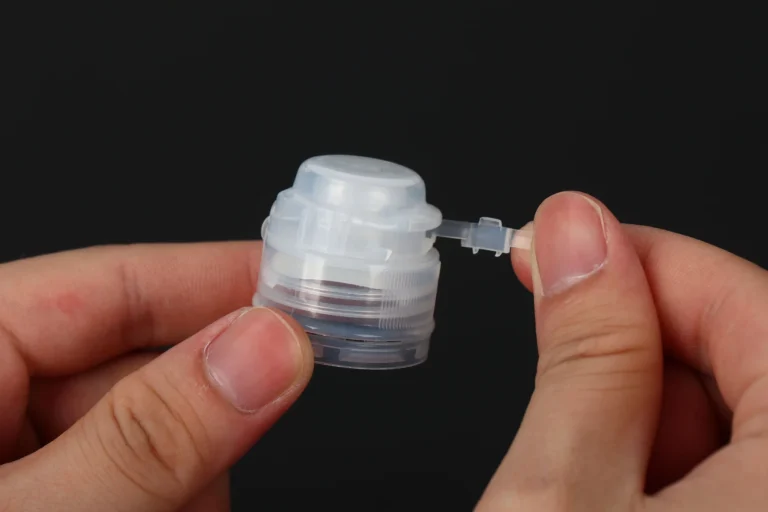
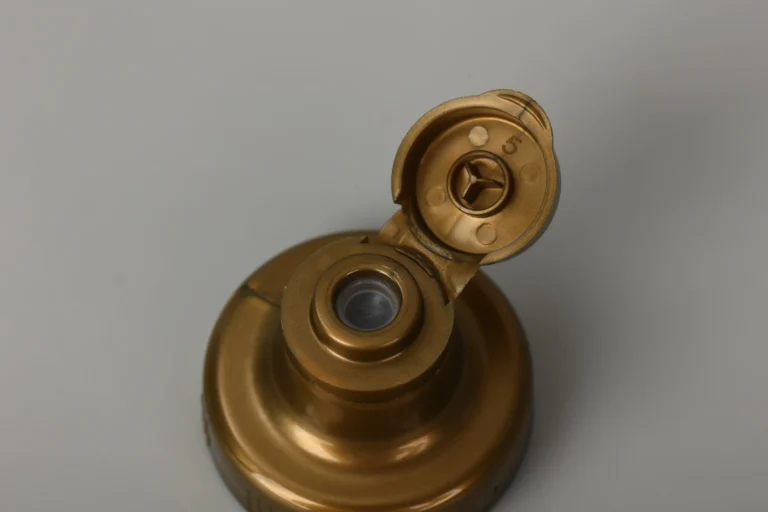
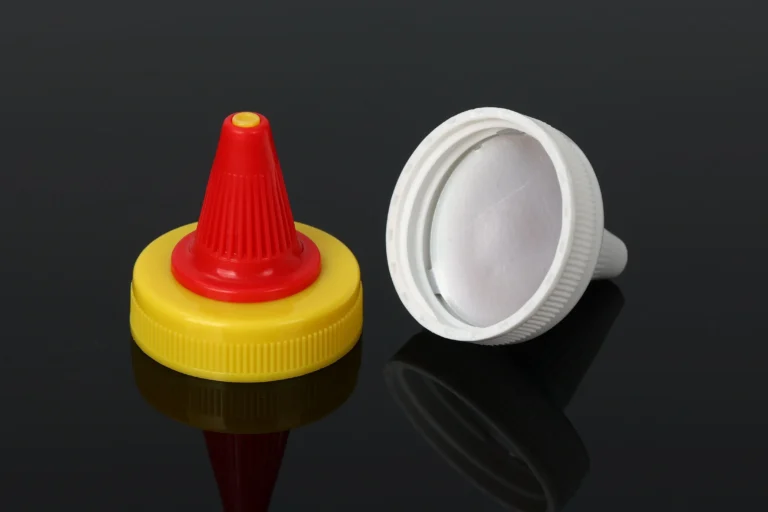
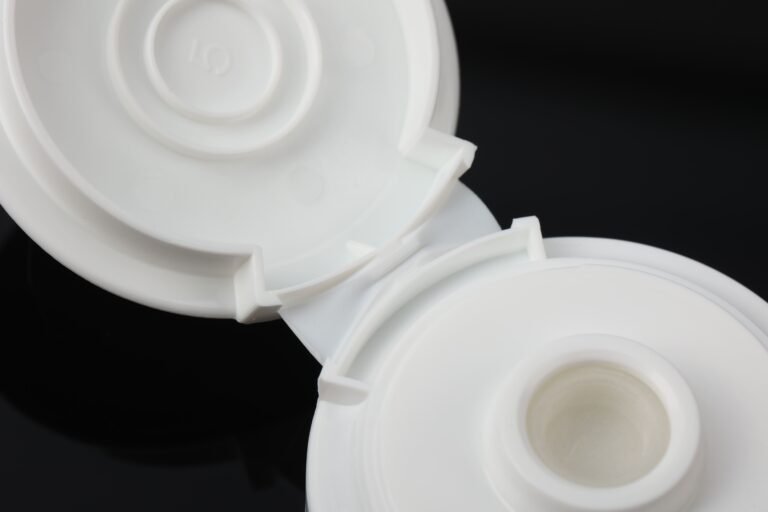
How a Silicone or TPE Valve Keeps an HDPE Bottle Leakproof
Both silicone and TPE can be used in a custom bottle valve, but the correct choice depends on the liquid, temperature, pressure, and required service life.
A silicone valve for HDPE bottles uses the elasticity of silicone to create a flexible sealing surface. After pressure changes, the material can return to its original shape. This makes silicone suitable for self-sealing designs and repeated operation.
A TPE valve may also provide good sealing and can be useful when the design requires a different level of flexibility, bonding method, or material behavior. A TPE valve for HDPE bottles should be tested with the actual fertilizer because chemical content can affect long-term performance.
The valve may work as a one way valve for bottles. During vacuum dispensing, pressure opens the valve and allows liquid to pass. After the bottle is removed, the sealing lips or internal parts return to the closed position.
The valve cannot be judged separately from the closure. The cap must hold the valve in the correct position. The sealing area must match the bottle opening, and the assembly must avoid damage to the soft sealing surface.
Why Valve Opening Pressure Matters in Vacuum Applications
Opening pressure is one of the main design points in a vacuum dispensing valve.
When the opening pressure is too high, the vacuum pump may need to work harder. Liquid fertilizer may move slowly or stop during part of the cycle. The machine may also show unstable flow.
When opening pressure is too low, the valve may not create enough sealing force. The remaining liquid could leak after the bottle is disconnected.
The design must balance several factors:
Vacuum level created by the pump.
Required flow rate.
Fertilizer viscosity.
Lip thickness and valve shape.
Elastic recovery after opening.
Sealing force after disconnection.
A valve for vacuum pump applications should be tested under the same conditions used on the machine. Testing only with air or water may not show how the valve behaves with the real fertilizer.
The goal is clear: the valve should open during the vacuum cycle and close quickly when the pressure condition changes.
GL25 Compatibility: What Should You Check Before Choosing a Bottle Valve?
A valve may perform well by itself and still fail after installation. The reason is often a mismatch between the valve, bottle, and cap.
Before selecting a GL25 bottle valve, the buyer should confirm:
GL25 neck and bottle opening dimensions.
Cap and closure dimensions.
Valve outer diameter and height.
Sealing area and compression.
Valve position inside the cap.
Assembly direction.
Retention method.
Dimensional tolerance during molding and assembly.
The customer’s bottle used an inverted installation, so the valve position was especially important. The closure needed to hold the valve firmly without over-compressing it. Too little compression could cause leakage. Too much compression could increase opening pressure.
The assembly method also matters. Press-fit, insert-fit, or cap-mounted designs can create different sealing results. A custom bottle sealing valve should be checked together with the actual closure, not as an isolated component.
Custom Silicone Valve Manufacturing for Leakproof Fertilizer Packaging
XUFU supported the project by reviewing the customer’s bottle, GL25 closure, vacuum connection, and operating sequence. We focused on the point where the bottle was removed while still containing liquid fertilizer.
The development process included valve structure review, material selection, prototype samples, and fit testing. We evaluated silicone and TPE options based on the required flexibility, recovery, and chemical exposure. The final material choice should always be confirmed with the actual fertilizer formula.
XUFU can support custom silicone valve design, custom TPE valve development, LSR injection molding, mold development, and valve assembly. Prototype testing can also examine opening behavior, reverse sealing, repeated operation, and leakage after disconnection.
Production quality depends on more than the material. Thin sealing areas, valve dimensions, and cap assembly must remain consistent from sample to mass production. Precision molding and inspection help control these points.
For this customer, the target was not a standard part. The bottle had to operate upside down, the vacuum pump had to draw the fertilizer, and the remaining liquid had to stay inside after removal.
That is where a leakproof valve for HDPE bottles becomes a complete packaging engineering project. XUFU can develop the valve around the actual bottle, closure, liquid, and machine conditions rather than treating the valve as a separate catalog item.
Tutte le valvole in stock e consegna rapida
Richiedi subito un campione gratuito
Pronto per la spedizione entro 3 giorni. Prezzo competitivo. Campioni gratuiti disponibili!
*Quantità minima ordinabile di 10.000 unità.