Norwegian
  English
  German
  Spanish
  Italian
  Russian
  Arabic
  Korean
  Japanese
  French
  Dutch
Dutch  Danish
  Portuguese
  Turkish
  Czech
Czech  Lithuanian
  Polish
  Slovenian


Åttekantede plastlokk for kosmetikktuber: Hvorfor åttesidede lukkinger utkonkurrerer runde lokk
Innholdsfortegnelse
TL;DR
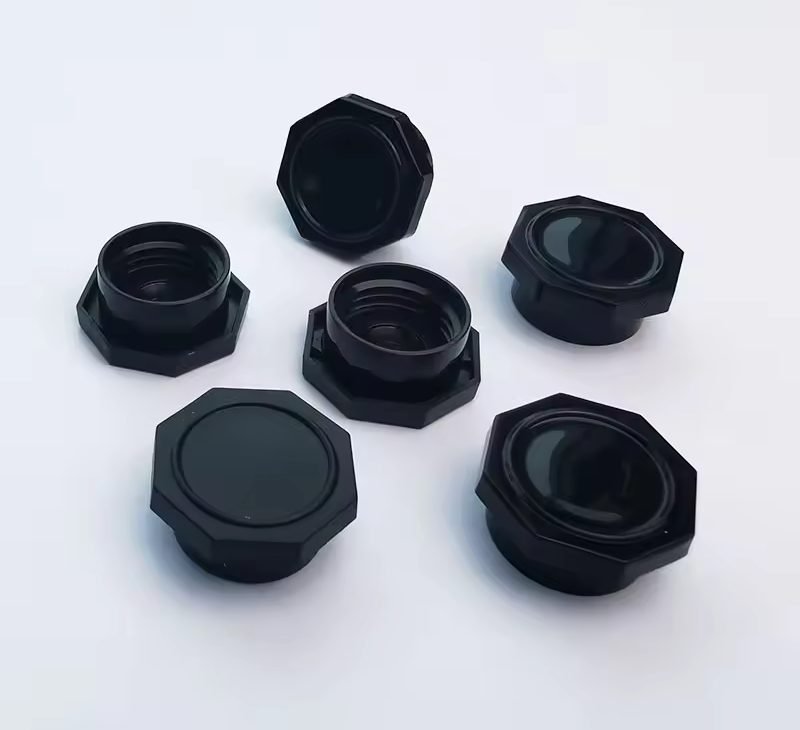
Åttekantede plasthetter er vanligvis laget av PP eller HDPE og fungerer godt med kosmetiske klemmetuber fra 5 ml til 200 ml, med vanlige diametre fra 19 mm til 50 mm.
De åtte flate sidene gir tre klare fordeler i forhold til runde lokk: bedre grep når hendene er våte, mindre rulling på flate overflater og en mer eksklusiv følelse når lokket vris opp.
Gjengetilpasning er den vanligste kjøpsfeilen. Standardstørrelsene er M9, M11 og M15, så både hetten og rørhalsen må kontrolleres før du bestiller.
Svart åttekantede PP-lokk er spesielt populære innen premium hudpleie. De kan tilpasses med Pantone-farger, matt eller blank overflate, foliering, preging, silketrykk, varmstempling og galvanisering.
Det er vanskelig å finne en komplett guide til åttekantede hetter, så denne artikkelen fyller dette tomrommet med en sammenligning mellom runde og åttekantede hetter, råd om materialvalg og en sjekkliste for leverandører.
Problemet med hetten på kosmetikktuben
Runde hetter er funksjonelle, rimelige og mye brukt. Men i daglig bruk, produksjon produksjon, frakt og utstilling i butikk skaper geometrien flere skjulte feilkilder.
Manglende grep
Glatte, runde lokk er vanskelige å vri med våte, oljete eller lotionglatte fingre. For brukere av håndkrem, bodylotion og hudpleieprodukter blir dette en gjentatt daglig frustrasjon.
Roll-Away ustabilitet
En rund hette kan rulle når den slippes på en produksjonslinje, et sminkebord eller i løse forsendelseskartonger. Formen motvirker stabilitet i alle ledd.
Hylle usynlighet
Runde caps er standard i kategorien. I overfylte butikkhyller skaper de sjelden et visuelt signal, selv når tubekroppen er fullstendig tilpasset.
Opplevd kvalitetsforskjell
En rund cap sier funksjonell. En åttekantet hette sier designet. For premium hudpleiemerker, kan den opplevde oppgraderingen bidra direkte til økt kjøpssikkerhet.
Geometrien endrer opplevelsen.
Feilene ved den runde hetten er mekaniske, ikke bare kosmetiske. Ved å endre kapselgeometrien forbedrer grep, stabilitet, hylleplassering og oppfattet produktverdi.
Hva emballasjeteamene balanserer
Innkjøpssjefer sammenligner vanligvis rørhetter på tvers av fire konkurrerende prioriteringer. Den åttekantede hetten gjør det godt på tvers av funksjon, brukeropplevelse, differensiering og kostnadseffektivitet.
Handlingsrettede resultater
Bruk dette firedimensjonale rammeverket som en poengmatrise når du sammenligner ulike typer caps. Gi hvert alternativ en poengsum fra 1-5. Åttekantede lokk er vanligvis bedre enn runde lokk når det gjelder pålitelighet, brukeropplevelse og merkevaredifferensiering.
Be om Cap-alternativerDen åttekantede fordelen: Design, materialer og ytelse
Grep, stabilitet og antirullgeometri
Den åttesidede formen løser flere praktiske emballasjeproblemer på én gang.
For det første gir den brukerne et bedre grep. En åttekantet hette har flate fasetter som skaper flere kontaktpunkter enn en glatt, rund hette. Det gjør det lettere å vri opp, spesielt når hendene er våte eller dekket av lotion, krem eller rester. For kosmetikktuber kan denne lille forskjellen forbedre den daglige brukeropplevelsen på en svært reell måte.
For det andre bidrar formen til at korken ikke ruller av gårde. En rund hette kan lett bevege seg når den plasseres på en disk, slippes på gulvet eller pakkes løst i en kartong. En åttekantet hette holder seg mye bedre på plass. Det er viktig på produksjonslinjen, under frakt og på badet der produktet faktisk brukes.
Formen gir også hetten en mer raffinert taktil følelse. Når brukerne vrir den opp, skaper kantene en mer distinkt bevegelse. Det føles mer bevisst og mer eksklusivt enn en vanlig rund hette. Den slags detaljer er vanskelig å måle, men forbrukerne legger merke til det.
Mange åttekantede skrukorker har også en sabotasjesikringsring som kan brytes av. Denne ringen sitter fast etter at korken først er lukket, og brytes deretter når den åpnes for første gang. Det gir forbrukerne et tydelig tegn på at produktet ikke har vært åpnet før.
Valg av materiale: PP vs. HDPE vs. PCR
Åttekantede lokk er vanligvis laget av PP, HDPE eller PCR PP.
PP, eller polypropylen, er det vanligste valget for premium kosmetikkemballasje. Det har god slagfasthet, sterk kjemikaliebestandighet og en overflate som fungerer godt sammen med fargetilpasning, trykk og ulike finishalternativer. Det er et praktisk materiale for håndkremer, lotioner og andre hudpleieprodukter som trenger et renere og mer polert utseende.
HDPE, eller polyetylen med høy tetthet, er et annet vanlig alternativ. Det er lettere, mer fleksibelt og vanligvis rimeligere. Dette gjør at det passer godt til større kapsler eller produktserier der enhetskostnaden betyr mer enn en førsteklasses følelse. Det fungerer fortsatt godt, men har ikke alltid samme overflatekvalitet som PP.
PCR PP blir stadig mer populært blant merkevarer som ønsker å vise et sterkere bærekraftsbudskap. PCR står for resirkulert materiale etter forbruker. I mange tilfeller kan det levere en ytelse som ligger nær jomfruelig PP, samtidig som det reduserer emballasjens karbonavtrykk. For merkevarer som ønsker en miljøvennlig posisjonering, er dette et sterkt alternativ.
Valget er vanligvis enkelt: Premiummerker velger ofte PP, verdidrevne merker velger ofte HDPE, og merker med fokus på bærekraft velger ofte PCR PP.
Størrelser, gjenger og kapasitet
Valg av kosmetikktubehette handler ikke bare om utseende. Diameter, fyllkapasitet, tubehalsens finish og gjengestandard må fungere sammen før produksjonen begynner.
Kartlegging av standardstørrelser og rørkapasitet
| Diameter på hetten | Rørets fyllingskapasitet | Typisk bruksområde |
|---|---|---|
| 19 mm-22 mm | 20-30 ml | Håndkrem i reisestørrelse, øyekrem, prøvetuber |
| 35 mm-40 mm | 80-130 ml | Håndkrem i full størrelse, fuktighetskrem for ansiktet |
| 45 mm-50 mm | 120-180 ml | Bodylotion, solkrem, hårmasketuber |
Dette området er stort nok til at det er komfortabelt å vri med voksenhånd, samtidig som rørprofilen elegant. Mindre kapsler kan spare noen brøkdeler av en cent per enhet, men dårlig men dårlig brukervennlighet kan koste mer i form av lavere gjenkjøpsrater.
Kapasitetsintervallene er omtrentlige. Faktisk fyllvolum avhenger av formuleringens viskositet, tubeskuldergeometri og fyllemaskineri. Testfyll med ditt faktiske produkt før du fastsetter endelig størrelse på korken.
Gjengestandarder: M9, M11 og M15
| Tråd Standard | Typisk rørdiameter | Vanlige bruksområder |
|---|---|---|
| M9 | 13,5 mm-19 mm | Prøvetuber, øyekrem, leppebehandlinger |
| M11 | 22 mm-28 mm | Håndkrem, ansiktsrens, standard hudpleie |
| M15 | 30 mm-40 mm | Bodylotion, solkrem, høyvolumtuber |
Feilpasning av gjenger er den dyreste feilen ved anskaffelse av hetter.
En M11-hette på en M9-hals kan kryssgjenges og lekke. En M15-lokk på en M11-hals kan føles løs og kan ødelegge den sabotasjesikre forseglingen. Disse problemene oppdages ofte først etter at produksjonspartiene ankommer.
Gjenge-til-diameter-kartleggingen ovenfor er sammenstilt fra leverandørens produktlister, ikke fra et offisielt ISO- eller industristandarddokument. Behandle disse som vanlige som vanlige sammenkoblinger, og sjekk alltid med din spesifikke rørleverandør.
Relaterte artikler:-.
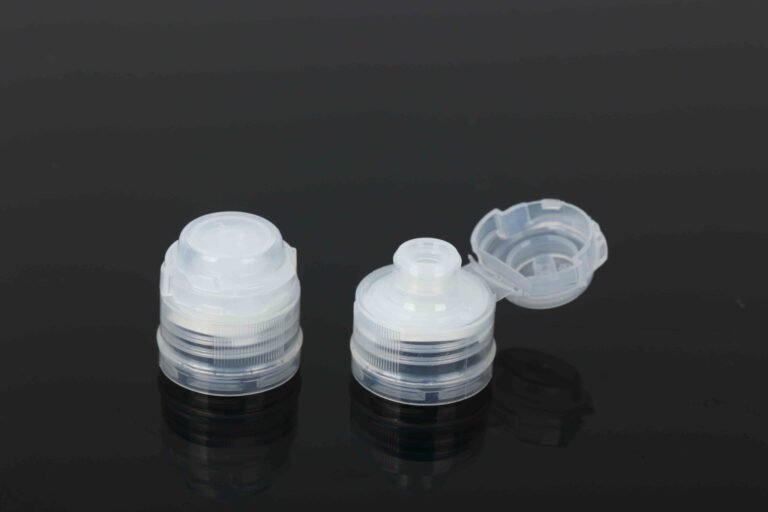
Åttekantede vs. runde caps: Head-to-Head
Sammenligning av funksjoner
Når varemerker sammenligner åttekantede lokk med runde lokk, er forskjellene lette å se når produktet er i reell bruk.
| Dimensjon | Åttekantet hette | Rund hette |
|---|---|---|
| Grep på våte hender | Utmerket - flate fasetter gir brukerne et sterkere grep | Svak - glatt overflate kan lett skli |
| Stabilitet mot vridning | Ja - formen bidrar til å holde hetten på plass | Nei - runde hetter ruller på flate overflater |
| Differensiering av hyller | Høy - formen skiller seg ut visuelt | Lav - designet er vanlig og lett å overse |
| Bevis for manipulering | Standard - inkluderer ofte en løsrivelsesring | Tilgjengelig, men mindre vanlig på basic caps |
| Tilpasning | Full - Pantone-farger, matt eller blank overflate, foliering, preging, silketrykk, varmstempling og galvanisering | Full - lignende dekorasjonsalternativer tilgjengelig |
| Enhetskostnad | Noe høyere - formdesignet er mer komplekst | Lavere - enklere struktur og bredere leverandørbase |
| Opplevd kvalitet | Premium - gir et mer designet og bevisst utseende | Basic - funksjonell, men standard |
| MOQ | 30 000-100 000 stk. for tilpassede bestillinger | Vanligvis lavere for lagerkapsler |
Tabellen viser et tydelig mønster. Åttekantede kapsler koster vanligvis litt mer, men de gir bedre grep, bedre stabilitet, sterkere hylleplassering og en mer premium følelse.
Tilpasning er et område der begge hettetypene kan fungere godt. Begge kan dekoreres med de samme overflatebehandlingene. Forskjellen er at de åttekantede hettene ser mer karakteristiske ut allerede før dekorasjonen begynner.
For større bestillinger er kostnadsforskjellen ofte liten nok til å passe inn i emballasjebudsjettet. For mindre merkevarer kan det ha større betydning. I så fall er det best å sammenligne tilbud fra flere leverandører før du tar en endelig beslutning.
Viktige krav til lukking av kosmetiske tuber
Det er noen få punkter som ikke er omsettelige, og som alle kjøpere bør sjekke før de legger inn en bestilling.
For det første må gjengene passe nøyaktig til rørhalsen. Vanlige størrelser er M9, M11 og M15. Hvis gjengene er feil, kan hetten lekke eller ikke passe ordentlig.
For det andre må lokket tette godt under transport. Den må tåle vibrasjoner, trykkendringer og temperatursvingninger under transport.
For det tredje må sabotasjesikringen fungere korrekt. Den skal være intakt ved første lukking og vise et tydelig åpningssignal etter at hetten er brukt.
For det fjerde må materialet være av kosmetisk kvalitet. PP og HDPE er begge vanlige valg, men PCR-innhold bør også være sertifisert hvis bærekraftpåstander er en del av produkthistorien.
For det femte må spesialtilpassede farger holde seg stabile over tid. De må ikke falme, blø ut eller reagere med produktet inne i tuben.
Til slutt bør man alltid teste et prøveparti før masseproduksjon. En fysisk passformtest kan fange opp problemer som tegninger og spesifikasjonsark kan overse.
Størrelser, gjenger og kapasitet
Valg av kosmetikktubehette handler ikke bare om utseende. Diameter, fyllkapasitet, tubehalsens finish og gjengestandard må fungere sammen før produksjonen begynner.
Kartlegging av standardstørrelser og rørkapasitet
| Diameter på hetten | Rørets fyllingskapasitet | Typisk bruksområde |
|---|---|---|
| 19 mm-22 mm | 20-30 ml | Håndkrem i reisestørrelse, øyekrem, prøvetuber |
| 35 mm-40 mm | 80-130 ml | Håndkrem i full størrelse, fuktighetskrem for ansiktet |
| 45 mm-50 mm | 120-180 ml | Bodylotion, solkrem, hårmasketuber |
Dette området er stort nok til at det er komfortabelt å vri med voksenhånd, samtidig som rørprofilen elegant. Mindre kapsler kan spare noen brøkdeler av en cent per enhet, men dårlig men dårlig brukervennlighet kan koste mer i form av lavere gjenkjøpsrater.
Kapasitetsintervallene er omtrentlige. Faktisk fyllvolum avhenger av formuleringens viskositet, tubeskuldergeometri og fyllemaskineri. Testfyll med ditt faktiske produkt før du fastsetter endelig størrelse på korken.
Gjengestandarder: M9, M11 og M15
| Tråd Standard | Typisk rørdiameter | Vanlige bruksområder |
|---|---|---|
| M9 | 13,5 mm-19 mm | Prøvetuber, øyekrem, leppebehandlinger |
| M11 | 22 mm-28 mm | Håndkrem, ansiktsrens, standard hudpleie |
| M15 | 30 mm-40 mm | Bodylotion, solkrem, høyvolumtuber |
Feilpasning av gjenger er den dyreste feilen ved anskaffelse av hetter.
En M11-hette på en M9-hals kan kryssgjenges og lekke. En M15-lokk på en M11-hals kan føles løs og kan ødelegge den sabotasjesikre forseglingen. Disse problemene oppdages ofte først etter at produksjonspartiene ankommer.
Gjenge-til-diameter-kartleggingen ovenfor er sammenstilt fra leverandørens produktlister, ikke fra et offisielt ISO- eller industristandarddokument. Behandle disse som vanlige som vanlige sammenkoblinger, og sjekk alltid med din spesifikke rørleverandør.
VANLIGE SPØRSMÅL
Spm. 1: Hva er en åttekantet hette for kosmetikktuber?
En åttekantet hette er en åttesidig plastskruelokk laget for kosmetiske klemmetuber. Den er vanligvis støpt av PP eller HDPE. De flate sidene gjør den lettere å gripe enn en rund hette, og de bidrar også til at hetten ikke ruller bort. Disse korkene brukes ofte til håndkrem, fuktighetskrem til ansiktet, solkrem, tannkrem og bodylotion.
Spm. 2: Hvilke størrelser finnes åttekantede skruelokk i?
Åttekantede skrukorker er vanligvis tilgjengelige i diametre fra 19 mm til 50 mm. Vanlige størrelser for hudpleieprodukter er 22 mm for reise- eller prøvetuber, 35 mm til 40 mm for håndkrem og fuktighetskrem til ansiktet, og 45 mm eller større for bodylotion og solkrem. For premium håndkrememballasje er 35 mm til 40 mm ofte det mest praktiske valget.
Spm. 3: Hva er forskjellen mellom PP og HDPE åttekantede lokk?
PP, eller polypropylen, gir sterkere slagfasthet, bedre varmebestandighet og en overflatefinish av høyere kvalitet. Det er ofte førstevalget for førsteklasses kosmetiske lukninger. HDPE, eller polyetylen med høy tetthet, er lettere, mer fleksibelt og vanligvis rimeligere, så det egner seg godt til lavprisprodukter eller større lokk. Begge materialene er resirkulerbare.
Spm. 4: Er åttekantede lokk kompatible med standard rørhalsfinish?
Ja. Åttekantede hetter lages vanligvis med standard gjengestørrelser som M9, M11 og M15. Det viktigste trinnet er å sørge for at gjengene på hetten passer nøyaktig til rørhalsen. Før full produksjon er det alltid best å be om prøver og teste passformen for hånd.
Spm. 5: Kan åttekantede hetter spesialfarges?
Ja, leverandørene kan vanligvis matche Pantone-farger i både PP og HDPE. Matte og blanke overflater er også tilgjengelige. Svart er et av de mest populære valgene for premium hudpleieemballasje. Andre dekorasjonsalternativer inkluderer silketrykk, varmstempling, preging og galvanisering.
Q6: Hva er den typiske MOQ for tilpassede åttekantede caps?
MOQ for spesialtilpassede åttekantede capser varierer vanligvis fra 30 000 til 100 000 stykker, avhengig av leverandør og graden av tilpasning. Lagerkapsler uten tilpasset farge eller merkevare har ofte lavere MOQ. Det er lurt å bekrefte tilgjengeligheten av prøver før du legger inn en stor bestilling.
Spm. 7: Er åttekantede plasthetter resirkulerbare?
Ja. Både PP-kapsler og HDPE-kapsler er i stor grad resirkulerbare. Hvis et varemerke ønsker å styrke sitt bærekraftbudskap, finnes det også alternativer i PCR PP. PCR PP er laget av resirkulert materiale og kan leveres med riktig sertifisering.
Spm. 8: Hvordan fungerer de åttekantede lokkene med sabotasjesikkerhet?
En åttekantet kapsel med sabotasjesikring har vanligvis en ring i bunnen. Når korken først skrus på tuben, sitter ringen fast. Når forbrukeren åpner produktet for første gang, løsner ringen fra korken og blir sittende på tubens hals. Dette gir et tydelig tegn på at produktet har blitt åpnet.
Ta den riktige avgjørelsen
Åttekantede plasthetter er ikke bare en designtrend. De løser reelle funksjonelle problemer som runde lokk ofte ikke løser: grep for våte hender, stabilitet mot rulling og sterkere hylledifferensiering.
For kosmetikk- og hudpleiemerker som konkurrerer om brukeropplevelse og tilstedeværelse i detaljhandelen, er den åttekantede er den åttekantede hetten en av de billigste og mest effektive emballasjeløsningene som finnes.
- Bekreft gjengekompatibilitet: M9, M11 eller M15. Prøvetest først, og bestill deretter.
- Bruk PP som standardmateriale, HDPE for verdifulle bruksområder og PCR PP for bærekraft.
- Velg diameterområdet 35-40 mm for de fleste hudpleietuber i full størrelse.
- Spesifiser farge, finish og dekorasjonsdetaljer tydelig før produksjon.
Be om prøver av åttekantede hetter fra kvalifiserte leverandører, og prøvemonter dem på det aktuelle rør før du går i gang med en produksjonskjøring. En fysisk prøve fanger opp problemer som spesifikasjonsark overser.
Alle ventiler på lager | Rask levering
Få en gratis prøve nå
Klar til å sendes innen 3 dager. Konkurransedyktig pris. Gratis prøver tilgjengelig!
*Minste bestillingsmengde på 10 000 enheter.