Polish
 English
 German
 Spanish
 Italian
 Russian
 Arabic
 Korean
 Japanese
 French
 Dutch
 Danish
 Norwegian
 Portuguese
 Turkish
 Czech
 Lithuanian
 Slovenian



Custom Silicone Duckbill Valve: How Buyers Should Specify Cracking Pressure
Spis treści
A buyer’s guide to defining cracking-pressure targets, test conditions and acceptance limits before approving a custom silicone duckbill valve.
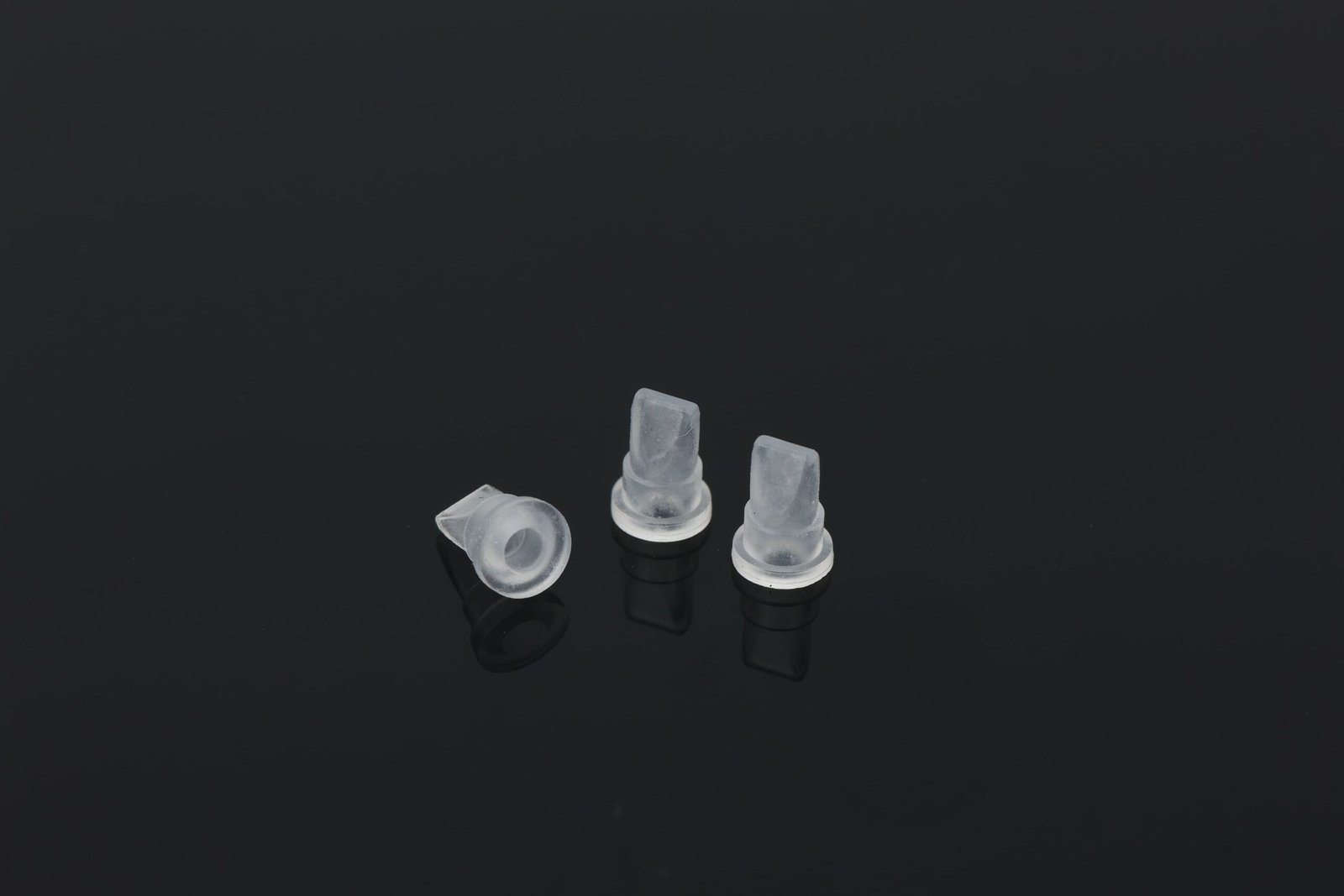
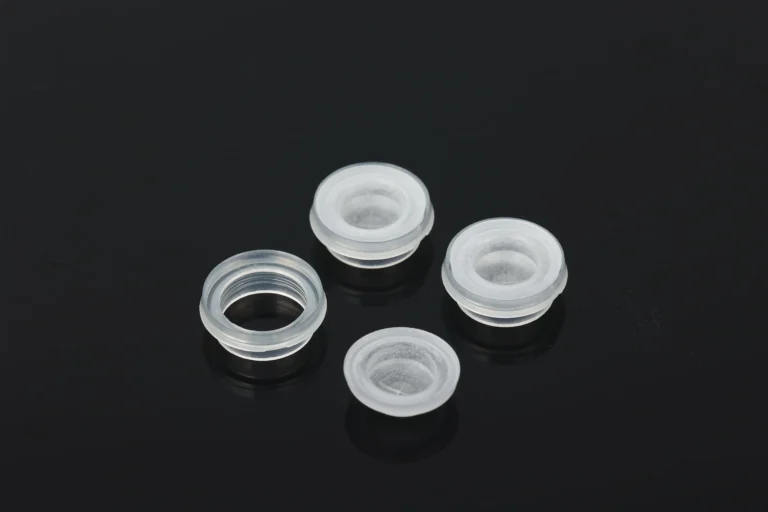
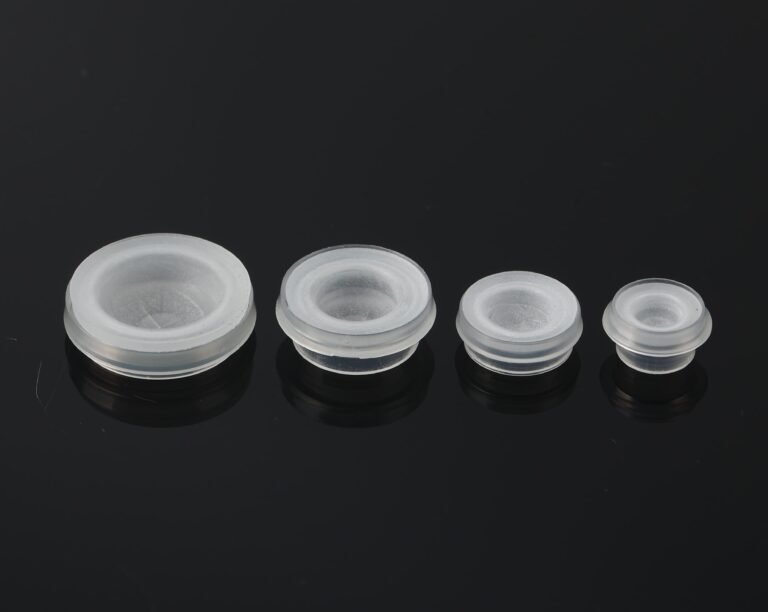
A customer recently contacted us in Spanish to request a small silicone duckbill valve. The specifications were clear: transparent or translucent silicone, Shore 30 hardness, a 6 mm base diameter, a 4 mm body diameter, a 3 mm internal diameter and approximately 8 mm overall height.
The customer emphasized that the three diameters were fixed requirements, while the height could be adjusted.
This inquiry provided a useful starting point for a Custom Silicone Duckbill Valve evaluation. However, it did not identify the application, working medium or required opening pressure. This case therefore focuses on the proposed requirements review—not a completed design, test or production result.
The Customer’s Initial Requirements
The request can be summarized as follows:
| Specification | Customer Requirement |
|---|---|
| Materiał | Silicone |
| Appearance | Transparent or translucent |
| Hardness | Shore 30; scale not specified |
| Base diameter | 6 mm |
| Body diameter | 4 mm |
| Internal diameter | 3 mm |
| Overall height | Approximately 8 mm; negotiable |
| Cracking pressure | Not provided |
| Working medium | Not provided |
Before recommending a Custom Silicone Duckbill Valve, the next step is to confirm the drawing, dimensional tolerances and hardness scale. The customer’s wording identifies nominal dimensions, but it does not yet establish measurable acceptance limits.
Functional requirements need the same level of clarification.
Define What “Opening” Means
Cracking pressure describes the pressure differential at which a check valve begins to open and allows detectable forward flow. It is not necessarily the pressure needed to deliver the required operating flow rate.
For this Custom Silicone Duckbill Valve inquiry, we would ask:
At what pressure differential should the valve begin to pass flow, and how should that opening point be detected?
“Easy to open” is not a complete specification. The buyer and supplier should agree on a measurable opening criterion and pressure units before comparing results.
Powiązane artykuły:
Start With the Customer’s System Conditions
The inquiry did not explain whether the valve would handle air, water or another medium. It also did not identify the pressure available in the customer’s device.
A proposed requirements checklist would include:
Working medium and operating temperature
Available upstream pressure
Downstream pressure or backpressure
Required flow rate
Installed configuration
Target cracking-pressure range
Reverse-leakage requirements
A Custom Silicone Duckbill Valve should be evaluated against these conditions rather than selected from dimensions alone. Duckbill valve engineering specifications distinguish flow performance, pressure loss and backpressure capacity, showing why an opening-pressure value is only part of the requirement.
Do Not Use Hardness as a Substitute for Performance
The customer specified “Shore 30,” but did not identify the hardness scale. That detail must be confirmed before the material specification is finalized.
Even after confirmation, hardness alone cannot define cracking pressure. Duckbill valve behavior also depends on geometry, size and material characteristics.
For a Custom Silicone Duckbill Valve, the drawing and material specification establish what should be manufactured. Functional testing establishes whether the resulting component meets the application requirements.
Agree on the Test Method Before Sample Approval
Once the customer provides the operating conditions, both parties can develop a written test procedure.
The proposed procedure should define:
Test medium and temperature
Mounting arrangement
Downstream condition
Pressure application method
Pressure measurement location
Opening-detection criterion
Sample quantity and reporting format
Increasing pressure until flow becomes detectable can provide an estimate of cracking pressure. However, a rough demonstration should not automatically become the production acceptance method.
For this Custom Silicone Duckbill Valve project, sample approval should refer to the agreed procedure and acceptance range—not an informal observation that the valve opens.
Teraz twoja kolej
Chcesz złożyć zamówienie? Skontaktuj się z nami!
Custom Silicone Duckbill Valve FAQ
Find answers about custom silicone duckbill valve cracking pressure, Shore hardness, operating pressure, flow performance, and the technical requirements needed before sample testing and production approval.
01
What is cracking pressure?
It is the pressure differential at which the valve begins to allow detectable forward flow. The detection criterion should be defined.
02
Does Shore 30 guarantee low cracking pressure?
No. The hardness scale must first be confirmed, and the valve’s geometry and material characteristics must also be considered.
03
Is cracking pressure the same as operating pressure?
No. Beginning to open does not establish that the valve delivers the required flow. Pressure-versus-flow performance needs separate consideration.
04
Should buyers always request the lowest cracking pressure?
Not automatically. Opening requirements should be considered alongside operating flow and reverse-pressure requirements.
05
Has this customer’s valve been approved?
Not yet. The available information supports a requirements review, but no application details, pressure test results or approval have been provided.
Next Steps for the Customer’s Inquiry
The next step is to obtain a dimensioned drawing, confirm tolerances and the hardness scale, and collect the missing operating conditions.
These details will support a more meaningful Custom Silicone Duckbill Valve recommendation. They will also give both parties a clear basis for quotation, sample evaluation and eventual production acceptance—without treating dimensional similarity as proof of functional suitability.
Wszystkie zawory w magazynie | Szybka dostawa
Pobierz bezpłatną próbkę już teraz
Gotowy do wysyłki w ciągu 3 dni. Konkurencyjna cena. Dostępne bezpłatne próbki!
*Minimalna ilość zamówienia 10 000 sztuk.