Slovenian
  English
  German
  Spanish
  Italian
  Russian
  Arabic
  Korean
  Japanese
  French
  Dutch
Dutch  Danish
  Norwegian
  Portuguese
  Turkish
  Czech
Czech  Lithuanian
  Polish


28mm Sports Cap Compatibility: PCO1810, PCO1881, 28/400 or 28/410
Kazalo vsebine
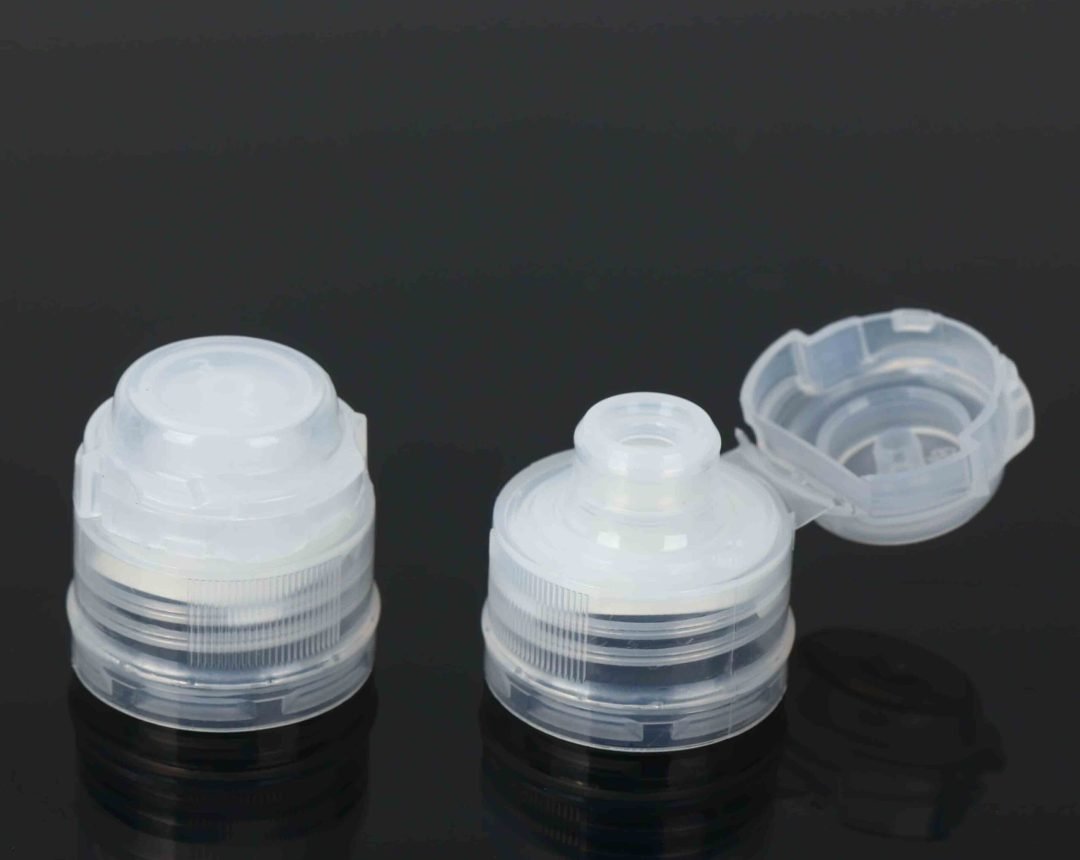
A buyer may ask for a 28mm sports cap because the bottle neck is 28mm. That sounds simple until the first sample arrives.
A 28mm neck does not mean every 28mm sport bottle cap will fit. PCO1810, PCO1881, 28/400, and 28/410 can refer to different neck finish systems. Their thread geometry, sealing areas, and cap engagement can differ.
For beverage packaging, the safer process is:
Bottle neck finish → Cap thread → Sealing system → Filling process → Sample testing
The cap should match the complete packaging system, not just the number “28mm.”
Why 28mm Does Not Mean Every Sports Cap Fits
The term 28mm neck finish gives you a starting point, but it does not give you the complete bottle specification.
A bottle neck has a defined finish. The finish controls the thread profile, dimensions, sealing surface, neck height, and how the closure engages with the bottle. The cap has its own matching thread and internal structure.
Two bottles can both have a nominal 28mm neck diameter and still require different closures.
This is why združljivost s pokrovčki za steklenice should be checked from the actual bottle neck finish. A sports push-pull cap that looks correct may screw onto the bottle but still fail to seal properly.
For a new project, ask for the bottle neck drawing first. If a drawing is not available, a physical bottle sample is often the next useful step.
PCO1810 vs PCO1881 vs 28/400 and 28/410
PCO1810, PCO1881, 28/400, and 28/410 should not be treated as interchangeable names for a 28mm closure.
PCO1810 and PCO1881 are commonly associated with PET beverage bottles and beverage closure systems. They have defined neck-finish characteristics intended for beverage packaging. The exact closure interface needs to be checked against the bottle specification.
28/400 and 28/410 are continuous-thread neck finish designations used across a wider range of packaging applications. They can appear on food, personal care, household, and other bottles. Their thread and finish geometry may not match a beverage bottle designed for a PCO finish.
The key point is simple: the nominal diameter alone cannot determine neck finish compatibility.
| Neck Finish | What Buyers Should Check |
|---|---|
| PCO1810 | Bottle drawing, cap thread, neck height, seal design, filling-line setup |
| PCO1881 | Exact PCO1881 drawing, cap engagement, tamper band and sealing geometry |
| 28/400 | Thread profile, closure height, sealing land and intended cap type |
| 28/410 | Thread height, number of turns, closure skirt and liner requirements |
When comparing a 28mm flip-top cap or sports drink bottle cap, check:
- Bottle neck finish
- Thread profile and dimensions
- Cap thread
- Cap engagement
- Sealing area
- Closure height and skirt
- Bottle and cap tolerances
- Intended application
Do not select a 28mm bottle closure only because the outside diameter appears similar.
Sorodni članki:
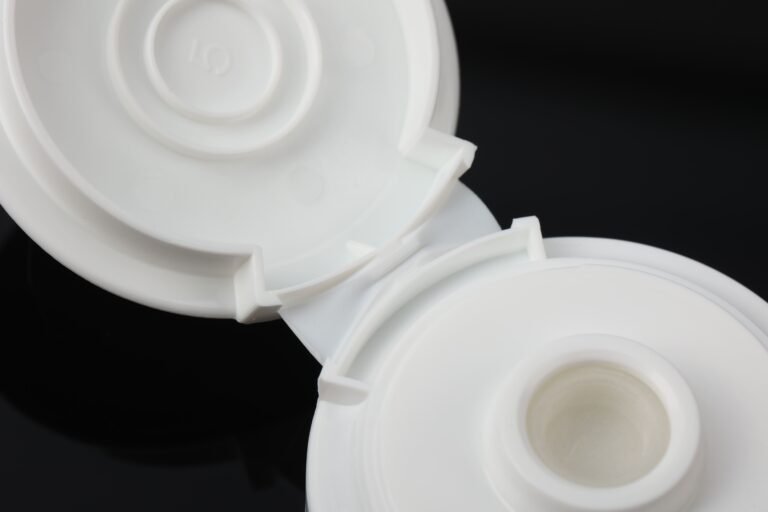
How to Check Bottle Neck and Cap Compatibility
A proper compatibility check starts with the bottle, not the cap.
A bottle neck drawing can show the information needed to identify the correct closure. Pay attention to the thread profile, neck height, sealing surface, and finish dimensions.
The cap also needs to be reviewed. Its internal thread, sealing feature, skirt, and opening mechanism must work with the bottle.
There is another practical test that buyers sometimes overlook.
A cap that screws on is not necessarily a production-ready cap.
The bottle and cap should be tested together for sealing and opening performance. Check whether the cap closes fully, whether the seal remains stable, and whether the user can open and close the sports cap sealing system without excessive force.
For beverage projects, the cap must also work with the filling line and the final production process.
What Changes When You Use Warm-Fill or Hot-Fill?
The filling process can change the closure requirements.
Cold-fill, warm-fill, hot-fill, and pasteurisation expose the bottle and closure to different temperature and processing conditions. A warm fill bottle cap may need different material or structural considerations from a cap used only for cold-filled beverages.
The cap material is only one part of the evaluation. The cap structure, sealing system, liner, bottle material, filling temperature, holding time, and cooling process can all affect performance.
For example, a food-grade plastic does not automatically become a hot fill compatible cap. Food-contact compliance and temperature performance are separate questions.
The right approach is to review the actual beverage filling conditions before approving a pasteurisation compatible cap. The cap should then be tested with the actual bottle and production process.
Do You Need a Liner, Induction Seal, or Tamper Evidence?
Not every beverage bottle needs the same sealing and protection structure.
A tamper evident sports cap helps consumers see whether the closure has been opened. This is different from the function of a liner or an induction seal.
A dust cover or overcap can protect the drinking area from external dirt during storage and transport.
A bottle cap liner can provide a sealing interface between the cap and bottle, depending on the closure design.
En induction seal creates a separate seal across the bottle opening. It can provide product protection and evidence of opening.
These components should be selected according to the beverage, bottle, filling process, distribution conditions, and market requirements. Adding every possible feature is not necessarily better.
Kaj je treba preizkusiti pred začetkom serijske proizvodnje?
Before approving a 28mm sports cap, test the actual bottle and cap together.
A practical evaluation can include:
- Bottle and cap fit
- Thread engagement
- Leakage
- Sealing performance
- Začetna sila
- Closing performance
- Drop performance
- Warm-fill testing
- Hot-fill testing, when applicable
- Pasteurisation testing, when applicable
- Sample approval
Use the real bottle whenever possible. If the beverage has unusual viscosity, acidity, carbonation, or filling conditions, testing with the actual product can provide more useful results.
The goal is not simply to prove that the cap fits. The goal is to confirm that the pokrovček za steklenico za pijačo performs through filling, transport, storage, and consumer use.
A Real Beverage Project: Selecting the Right 28mm Sports Cap
Consider a beverage company in Australia preparing a production run of about 10,000 sports caps.
The buyer had a bottle approximately 21.5 cm high with a nominal 28mm neck. They needed the cap only and were considering a push-pull or flip-top design.
At first, several options appeared possible: PCO1810, PCO1881, 28/400, 28/410, or another suitable finish.
The project also involved warm-fill or hot-fill considerations, pasteurisation, MOQ, price breaks, sample availability, black, white, and clear colors, tamper evidence, a dust cover, liner, induction seal, and food-contact documentation.
The correct starting point was not the cap.
The team first needed to confirm the bottle neck finish. After that, the compatible cap structure could be selected. The sealing system and filling conditions came next. Samples then provided a practical way to verify fit and performance before mass production.
This sequence reduced the risk of buying a large quantity of the wrong sports cap.
How XUFU Helps Beverage Brands Select the Right Sports Cap
For a beverage project, XUFU can start with the bottle neck drawing or physical bottle sample and review the closure interface before recommending a cap.
The process can include bottle sample checking, cap selection, technical drawing review, prototype samples, color matching, injection molding, leakage testing, and production preparation. For projects with specific food-contact or filling requirements, the relevant material and documentation requirements should also be reviewed.
XUFU supports buyers looking for a sports cap supplier, sports cap manufacturerali beverage cap supplier with OEM sports bottle cap and custom sports cap requirements.
The final decision should never be based on “28mm” alone.
A 28mm sports cap is suitable only when it matches the bottle neck finish, cap thread, sealing system, beverage, and production conditions. Start with the bottle neck, confirm the technical details, test the real samples, and only then move to bulk production.
All Csps in Stock | Fast Delivery
Pridobite brezplačen vzorec zdaj
Pripravljen za odpremo v 3 dneh. Konkurenčna cena. Na voljo so brezplačni vzorci!
*Minimalna količina naročila 10.000 enot.