Slovenian
 English
 German
 Spanish
 Italian
 Russian
 Arabic
 Korean
 Japanese
 French
 Dutch
 Danish
 Norwegian
 Portuguese
 Turkish
 Czech
 Lithuanian
 Polish


Študije primerov
- Domov
- Študije primerov
- Planning a Closure Change for a Sauce Bottle Line
Planning a Closure Change for an Existing Sauce Bottle Line
Kazalo vsebine
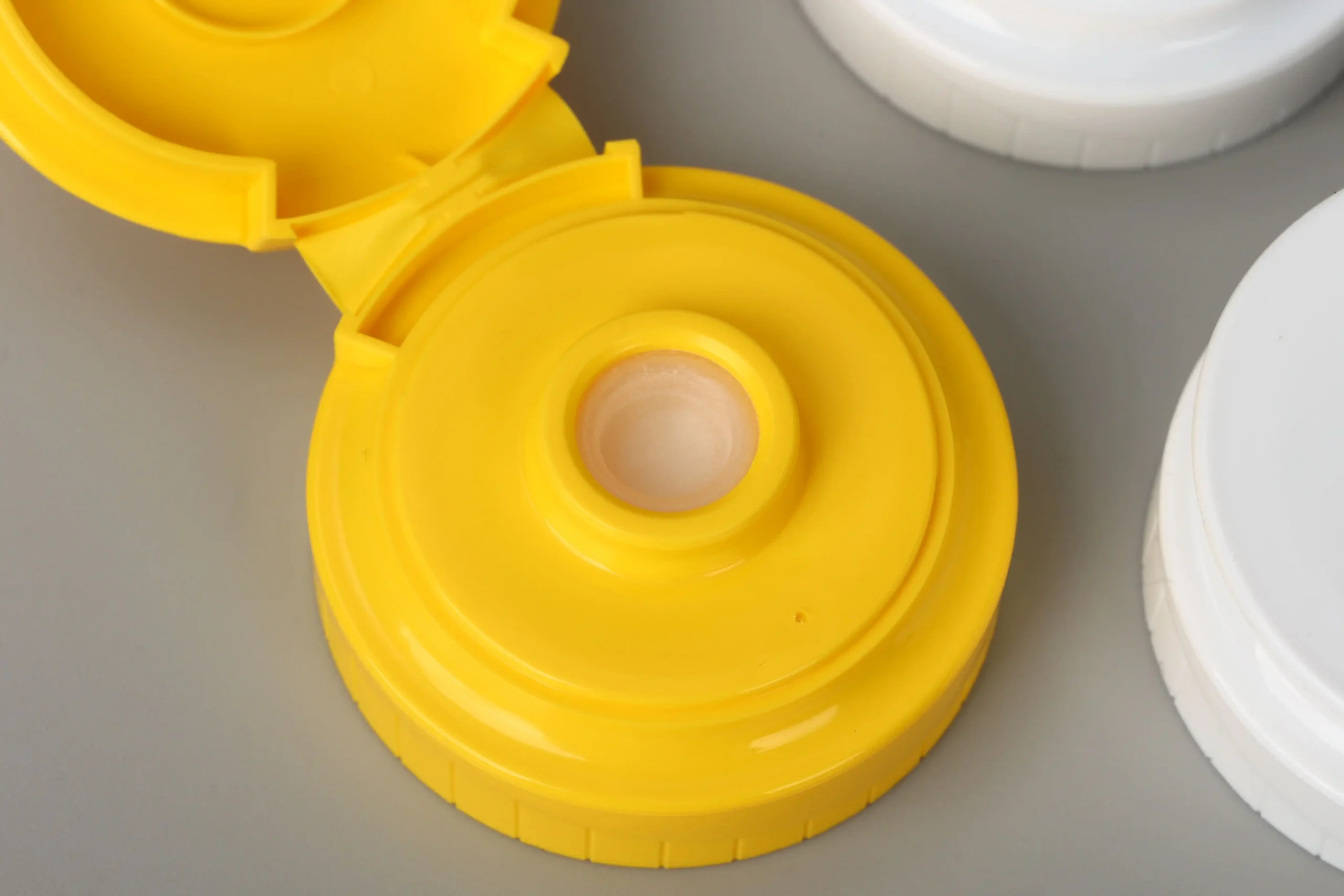
Changing a bottle closure can affect more than the look of a package. The new cap needs to fit the bottle, dispense the sauce as expected, and work with the filling and capping line. A recent inquiry from a Spanish closure manufacturer shows the questions buyers should settle before making the switch.
A buyer’s closure inquiry
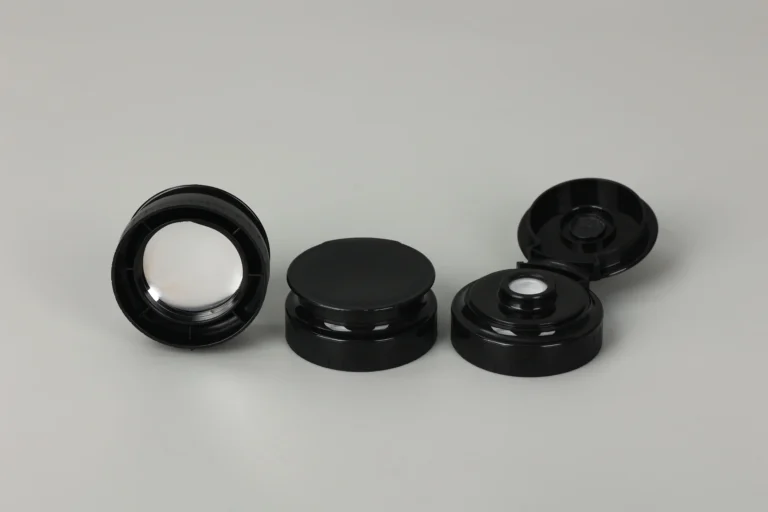
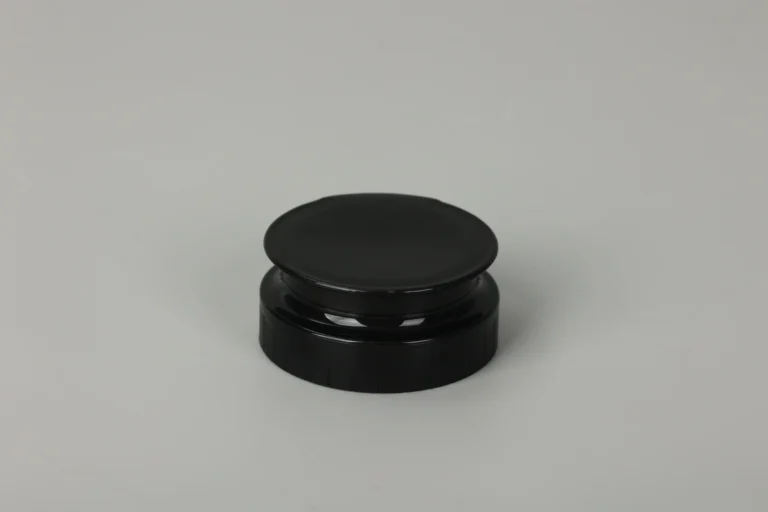
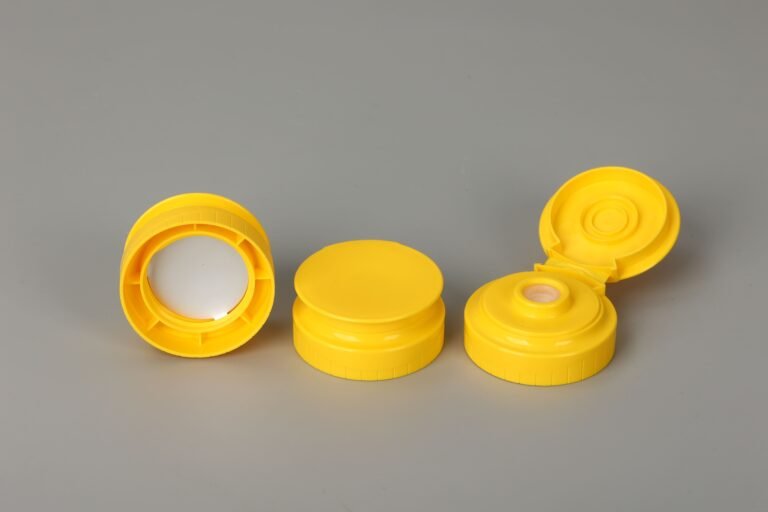
Jose Antonio Gonzalez, General Manager of SUINSO SL, asked about an XFPC05 double-wall flip-top cap with a 38/400 thread for sauce bottles. He requested a technical drawing, external diameter, pricing, minimum order quantity, lead time, and samples.
He also asked for the cap to include a pre-installed induction sealing liner for PET bottles. One key request was to replace the silicone valve with a SEBS-based TPE valve, while retaining reliable sealing, non-drip performance, and dispensing function. He wanted samples of that version for testing.
These are evaluation questions rather than confirmed test results. Before a closure change can be approved, the cap, liner, valve, bottle, and production line need to be checked together.
Confirm the bottle and current cap
Start by gathering the bottle drawing, neck-finish details, and dimensions of the existing closure. A 38/400 specification is a useful starting point, but it does not confirm that every cap with that designation will perform identically on a specific bottle.
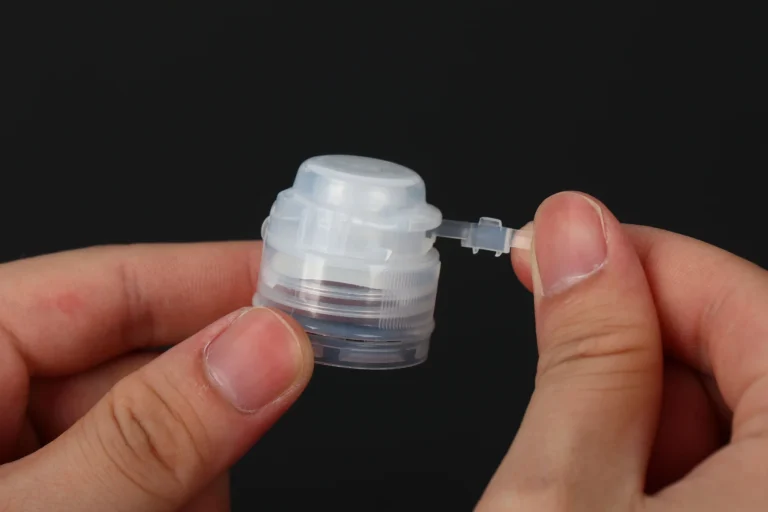
Ask the supplier for the new cap’s technical drawing, including its external diameter and critical fit dimensions. Compare the drawing with the bottle and current cap, then test samples on the actual bottle. This helps determine whether the proposed 38/400 flip top cap for sauce bottle fits securely and leaves enough clearance for handling and packing.
Sorodni članki:
Check the production line
A cap that fits by hand may still behave differently on a filling line. Review how the existing equipment feeds, places, and tightens closures. If possible, run samples through the actual line and check whether caps arrive in the correct position, seat evenly, and close consistently.
The trial can also reveal whether the line needs adjustment. Record the settings and results so the team can compare the new closure with the current one before planning a full changeover.
Compare opening and dispensing
Sauces vary in thickness, so test the cap with the product that will go into the bottle. Check how easily users can open the lid, dispense the sauce, and close it again. Look for unwanted dripping or product buildup after dispensing.
SUINSO’s request for an SEBS-based TPE valve is an important part of this evaluation. The buyer wants to know whether it can replace silicone while keeping the required seal and dispensing behavior. That should be confirmed with samples and the intended sauce; material choice alone cannot establish performance. Testing the 38/400 flip top cap for sauce bottle with the actual formula will give the buyer more useful evidence than a general material claim.
Confirm the liner and seal process
The requested induction liner is intended for PET bottles. Before ordering, confirm the liner construction and its compatibility with the bottle and induction sealing equipment. Run a sealing trial using the planned line settings, then inspect the finished package according to agreed criteria.
Keep the test conditions consistent. The cap, liner, bottle, sauce, and sealing process all affect the result, so changing several items at once can make problems harder to trace.
Approve samples before changing over
Compare the new cap with the current closure for fit, line handling, opening, dispensing, and sealing. Keep an approved sample and document any agreed requirements. A production trial helps the team decide whether the proposed 38/400 flip top cap for sauce bottle is ready for regular use.
Once the sample is approved, plan the changeover around production needs. Check how much existing cap inventory remains, when it will be used, and when the new closure should arrive. This reduces the chance of mixing unapproved samples with production stock or disrupting the line.
38/400 Flip Top Cap for Sauce Bottle
Changing a sauce bottle closure requires more than checking cap dimensions. Buyers should consider bottle compatibility, existing capping equipment, dispensing performance, liner requirements, and production schedules. These FAQs explain the key checks before switching to a new 38/400 flip top cap.
01 What information should I provide when changing a sauce bottle closure? +
Share the bottle drawing and neck finish, current cap details, sauce type, filling and capping process, liner requirements, and expected order quantity.
02 Can a new 38/400 flip-top cap run on my existing capping line? +
It may, but the line should be checked with samples. Cap dimensions, feeding, placement, and tightening can affect performance.
03 Why test samples on the actual filling line? +
A line trial shows how the closure behaves with the real equipment and settings. It can reveal fit or handling issues before a larger order.
04 How can I compare dispensing between the old and new caps? +
Use the same sauce and bottle for both closures. Compare opening, flow, dripping, and ease of closing under normal use.
05 When should I use up existing cap inventory? +
Plan the changeover with your production schedule and stock level. Approve the new samples first, then coordinate the timing of the new order with the supplier.
Next Steps for the SUINSO Closure Change
For SUINSO, the next step is to review the technical drawing and test samples that include the requested liner and SEBS-based TPE valve. Those checks can help determine whether the 38/400 flip top cap for sauce bottle is suitable for the bottle and line before a production change is made.
Vsi ventili na zalogi | Hitra dostava
Pridobite brezplačen vzorec zdaj
Pripravljen za odpremo v 3 dneh. Konkurenčna cena. Na voljo so brezplačni vzorci!
*Minimalna količina naročila 10.000 enot.