English
  German
  Spanish
  Italian
  Russian
  Arabic
  Korean
  Japanese
  French
  Dutch
Dutch  Danish
  Norwegian
  Portuguese
  Turkish
  Czech
Czech  Lithuanian
  Polish
  Slovenian


Capping Line Compatibility: What to Confirm Before Switching to a New 28mm Closure
Table of Contents
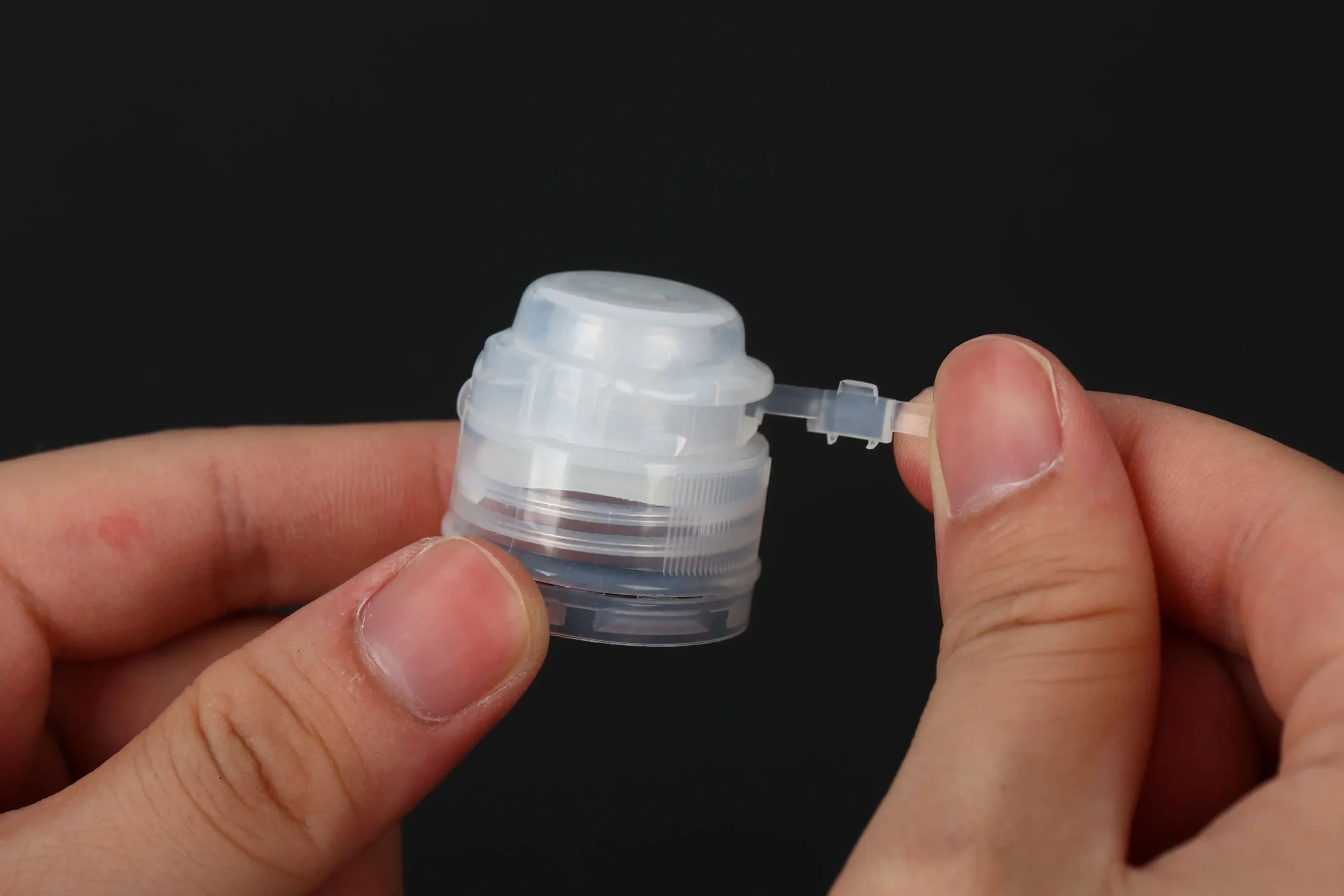
Switching to a new 28mm plastic bottle closure often starts with a simple test: does the cap fit the bottle. That question matters, but it’s only half the story. The other half happens on the production floor, where the capping machine has to pick up, orient, and tighten that cap thousands of times an hour. A cap that fits perfectly by hand can still cause line stoppages if the equipment isn’t set up to handle it.
Why Capping Line Compatibility Matters More Than Cap Fit Alone
A common mistake buyers make is testing a new closure only against the bottle neck. The cap threads on, the seal looks fine, and the project moves forward. Then production starts, and the capping machine struggles — caps jam in the feeder, torque readings swing outside the target range, or the line has to slow down to keep up.
This happens because a capping machine is calibrated to a specific cap profile, not just a thread size. Two 28mm closures can share the same neck fit and still behave completely differently on an automated line, depending on their shape, height, and material. Fit confirms compatibility with the bottle. It doesn’t confirm compatibility with the equipment.
Chuck Size and Cap Head Diameter: The First Thing to Check
The chuck is the part of the capping head that grips the cap and applies torque. It’s sized to match a specific cap head diameter and shape. If a new closure has a noticeably wider, narrower, or differently contoured top than the current one, the chuck may not hold it securely.
A loose grip leads to inconsistent torque application, and sometimes to caps that spin without tightening properly. Before ordering a new cap design in volume, it’s worth comparing the head diameter and overall profile against what the current chuck was built for, and checking with the equipment supplier whether a chuck change or adjustment is needed.
Related Articles:
Torque Calibration Range: Does Your Capping Head Support the New Closure?
Every cap design has a recommended application torque range, based on its thread pattern and sealing method. A capping head is set within a certain torque range to match the cap it was originally calibrated for.
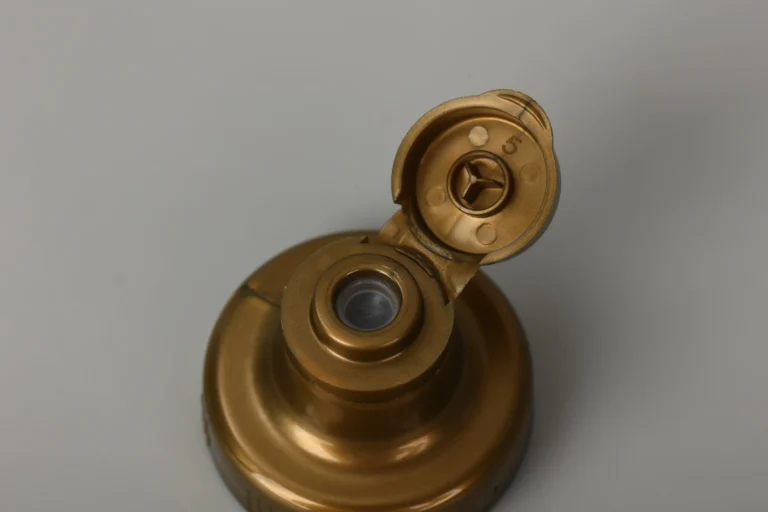
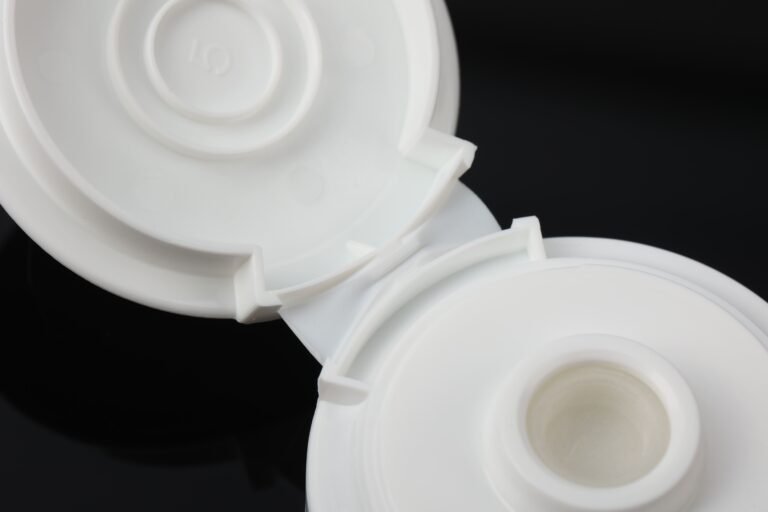
Problems show up when a buyer switches from a simple screw cap to something structurally different, like a flip-top closure with a tamper-evident band. These caps often need a different torque profile, since the tamper band adds resistance during application. If the capping head’s range doesn’t stretch far enough to reach the new target torque, either the seal ends up too loose to prevent leaks, or too tight, which can crack the cap or damage the tamper band before it ever reaches the customer.
Feeder Bowl Orientation: Why Cap Shape Changes Can Slow Down Your Line
Before a cap reaches the capping head, it usually passes through a feeder bowl, which sorts and orients caps so they arrive right-side up and correctly positioned. This system relies on the cap’s physical shape — its height, weight distribution, and top profile — to sort it consistently.
A new cap with a different shape than what the feeder bowl was tuned for can cause caps to jam, arrive in the wrong orientation, or slow the sorting process down. This isn’t always obvious from a sample test done by hand. It tends to surface once the bowl is running at production speed with a full batch of the new cap.
What to Confirm With Your Capping Equipment Supplier Before Switching
Before committing to a new closure, it helps to loop in whoever maintains the capping equipment, not just the cap supplier. A few questions worth asking directly: does the current chuck support the new cap’s head diameter, does the torque head’s range cover the new target torque, and will the feeder bowl need retuning for the new shape.
Building a small trial run into the sample approval stage — using actual production samples on the actual line — catches most of these issues before a full order ships. Waiting until mass production to find out the line isn’t compatible tends to cost far more in downtime than a short qualification run would have.
28mm Cap & Capping Line Compatibility
Find answers about 28mm cap compatibility, application torque, feeder bowl adjustments, tamper-evident closures, and capping line qualification.
Can I switch to a new 28mm cap design without changing my capping machine?
Sometimes, but not always. If the new cap has a similar head diameter, height, and shape to the current one, the existing chuck and torque settings may still work. A noticeably different cap profile, like switching from a smooth screw cap to a flip-top with a tamper band, usually requires at least some equipment adjustment.
What is application torque, and why does it need to match the new cap?
Application torque is the force used to tighten the cap onto the bottle during production. Each cap design has a recommended torque range based on its thread structure and sealing method. If the capping head's torque setting doesn't match the new cap's requirements, the seal can end up too loose or too tight.
Why would a feeder bowl need adjustment for a new cap shape?
A feeder bowl sorts and orients caps using their physical shape before they reach the capping head. If the new cap has a different top profile, weight distribution, or height, the bowl's existing settings may not sort it correctly, which can slow down the line or cause caps to jam.
How long does it usually take to requalify a capping line for a new closure?
This varies by equipment and cap complexity, but it typically involves a trial run with actual production samples, torque testing, and visual inspection of seal quality. Building this step into the sample approval phase, rather than after mass production starts, helps avoid line downtime later.
Do tamper-evident caps need different capping settings than standard caps?
Often yes. A tamper-evident band adds material and changes how the cap seats on the bottle neck, which can affect both the torque needed to apply it correctly and how the cap breaks away when opened. This is worth testing specifically rather than assuming standard settings will carry over.
Who should buyers talk to before finalizing a new 28mm closure order?
Both the cap supplier and the capping equipment provider or maintenance team have relevant information. The cap supplier can confirm torque specifications and dimensions, while the equipment side can confirm whether the current line setup supports those specifications without modification.
All Valves in Stock | Fast Delivery
Get A Free Sample Now
Ready to ship within 3 days. Competitive price. Free samples available!
*Minimum order quantity of 10,000 units.