English
  German
  Spanish
  Italian
  Russian
  Arabic
  Korean
  Japanese
  French
  Dutch
Dutch  Danish
  Norwegian
  Portuguese
  Turkish
  Czech
Czech  Lithuanian
  Polish
  Slovenian

Case Studies
- Home
- Case Studies
- Specification Freeze Before Production
28mm Syrup Bottle Caps: Building a Specification Freeze Before Volume Production
Table of Contents
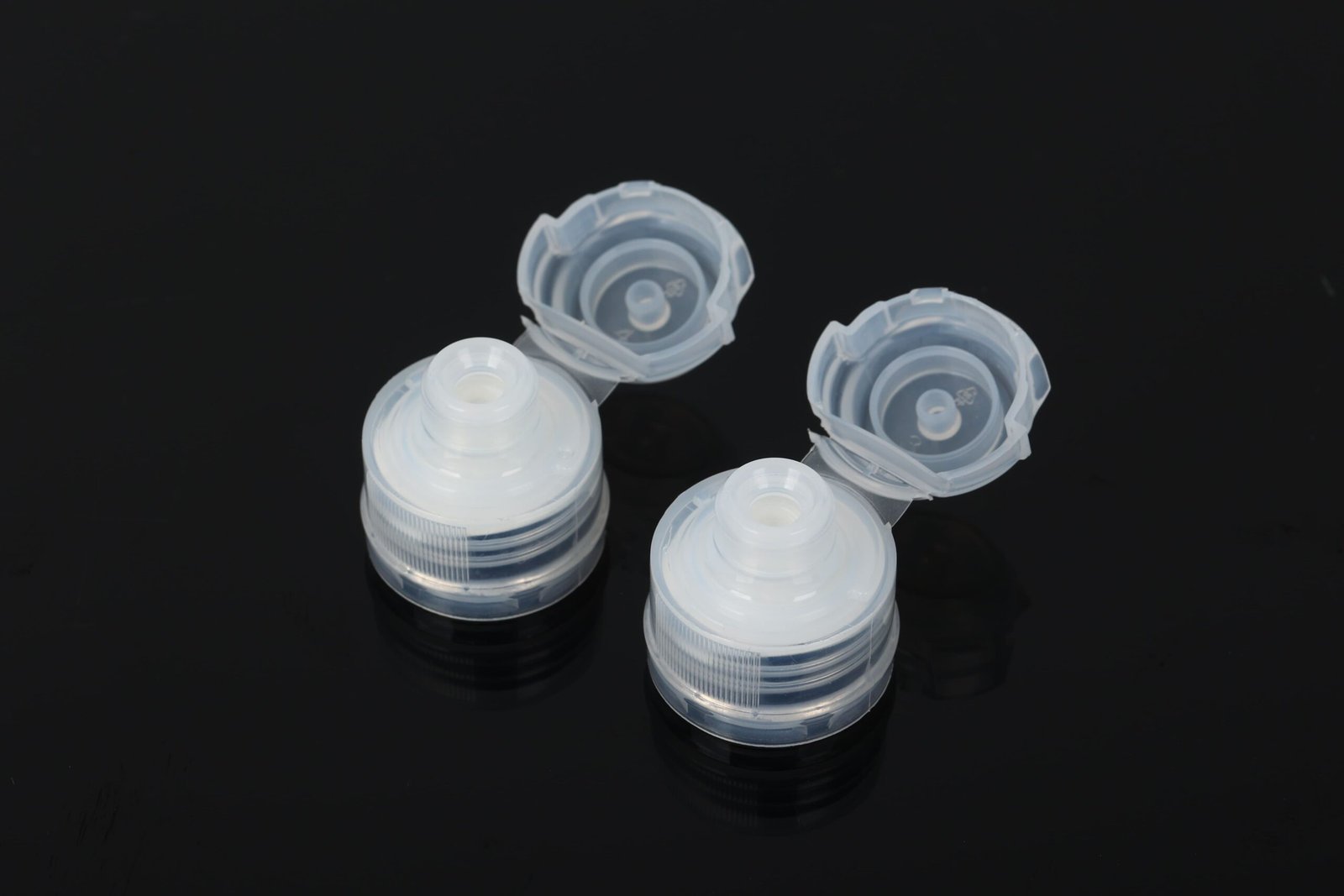
How buyers can turn approved 28mm syrup cap samples into a controlled specification covering dimensions, materials, colors, performance tests and change approvals.
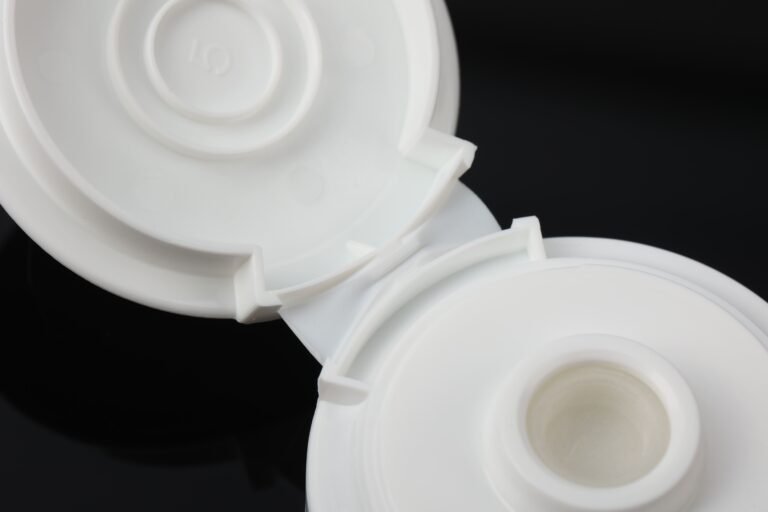
A syrup brand recently requested a packaging solution for approximately 1-liter bottles with a 28mm cap designed for syrup dispensing. The inquiry included a reference image, but the buyer had not yet confirmed the complete neck finish, syrup viscosity, dispensing method or expected order quantity.
This type of project is common in syrup packaging. A buyer may approve a sample based on appearance and a quick fit check, yet later find that production batches differ in color, torque, liner performance or assembly behavior. The most effective way to reduce this risk is to create a specification freeze before releasing a volume production order.
A specification freeze is not simply “approving a sample.” It is a documented agreement between the buyer and supplier covering the exact cap configuration, measurable requirements, approved references and rules for future changes. Packaging approval files are strongest when they connect product details, confirmed specifications, sample or drawing review, production checks and finished-product review.
Start With the Customer’s Actual Requirements
For a 28mm syrup bottle cap, the first step is to define the application rather than starting with a generic product description.
The buyer should confirm:
Syrup type, viscosity and whether it contains pulp or particles
Whether the bottle will be squeezed, poured or dispensed through a valve
Required fill volume and headspace
Bottle material, neck finish and sealing requirements
Target market and applicable food-contact requirements
Estimated first order quantity and annual demand
Required cap color, decoration and branding details
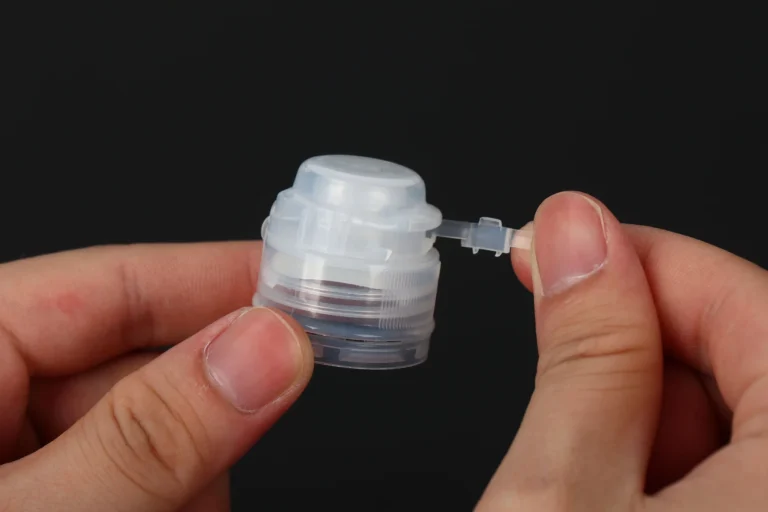
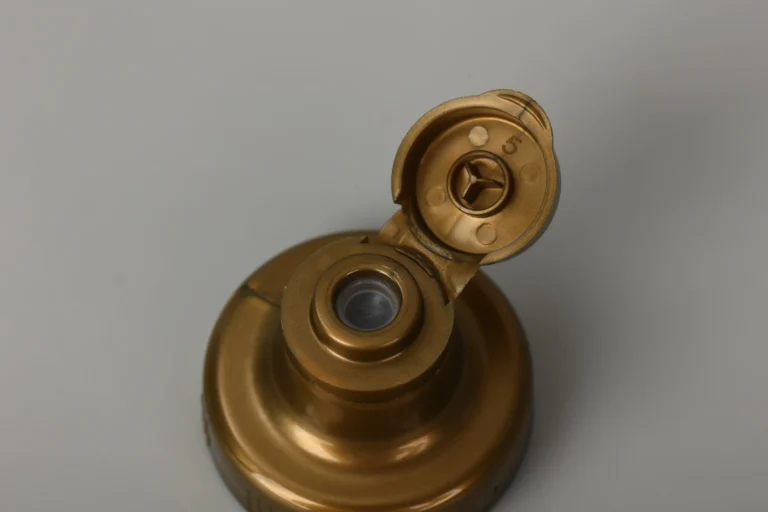
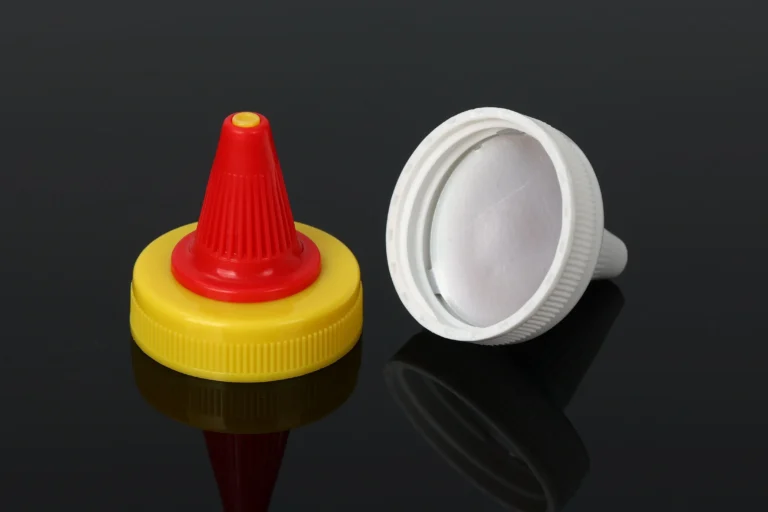
A “28mm cap” is not a complete specification. Different 28mm systems can have different thread profiles, heights, sealing surfaces and closure structures. The approved configuration should clearly identify the bottle-to-cap interface as well as any liner, insert, valve or tamper-evident feature.
Convert the Approved Sample Into a Controlled Reference
Once a sample is approved, it should become a controlled reference—not just a photo saved in an email thread.
The specification freeze should include:
Cap type and model reference
Material and color standard
Full dimensions and tolerances
Neck-finish compatibility
Liner, insert or silicone valve details
Decoration method and artwork version
Packing configuration
Inspection requirements and acceptance criteria
Each approved sample should have a sample ID, approval date, revision level and controlled photographs. Where possible, both the buyer and supplier should retain signed physical references. This makes it easier to compare future production lots against the same approved configuration.
A strong approval package combines the physical sample with written requirements for material, dimensions, artwork, functional tests, inspection level and acceptance criteria.
Related Articles:
Define What Must Be Frozen
Before volume production, buyers and suppliers should agree on which items cannot be changed without approval.
| Item to Freeze | Examples |
|---|---|
| Design and dimensions | Cap diameter, height, thread profile, sealing surface |
| Material | PP, PE or other approved polymer; additive and color masterbatch |
| Color | Pantone reference, physical color plaque and acceptable variation |
| Closure components | Liner, insert, silicone valve or tamper-evident band |
| Decoration | Printing method, artwork version, logo position and color |
| Testing | Torque, leakage, compatibility, drop or transport tests |
| Packaging | Quantity per carton, layer arrangement and export packing |
| Documents | Material declaration, test reports and revision-controlled drawings |
Set Measurable Acceptance Criteria
“Looks the same as the sample” is not a sufficient production standard. The specification should translate visual expectations into measurable requirements.
For a 28mm syrup cap, relevant checks may include:
Critical dimensions and tolerance limits
Color difference against the approved plaque
Cap weight range
Torque or removal-force range
Liner or insert fit
Visual defect limits
Functional leakage or dispensing checks
Carton quantity and packing condition
The appropriate tests depend on the cap design, syrup product, filling process and destination market. Container closure systems should be qualified for their intended use, with quality-control testing used to confirm that production remains suitable for that use.
Establish a Change-Control Process
After the specification is frozen, suppliers should not change materials, molds, colors, liners, decoration methods or sub-suppliers without written approval. A controlled change process should state whether the change requires a new sample, additional testing, a price review or a revised delivery schedule.
A simple change-control record should include:
Requested change
Reason for the change
Affected specification items
Samples or test evidence provided
Approval decision and date
New specification revision number
This process protects both sides. The buyer gains traceability, while the supplier has a clear route to propose improvements or manage unavoidable material or production changes.
A Real Project:Link Every Order to the Correct Revision
Every purchase order should refer to the approved specification revision and sample ID. Before shipment, production lots can then be checked against the controlled sample, agreed acceptance rules and documented requirements.
For buyers sourcing 28mm syrup bottle caps, the specification freeze becomes the foundation for repeat orders, supplier audits, quality disputes and future product extensions. It also makes it easier to introduce a second supplier or evaluate an alternative cap later, because the original requirements are already documented.
28mm Syrup Bottle Cap Specification Freeze
Find answers about specification freeze, sample approval, production tolerances, change control, approved sample management, and quality inspection requirements for 28mm syrup bottle caps.
01
What does a specification freeze include?
It includes the approved drawing revision, material, color standard, dimensions and tolerances, closure components, decoration, packing and inspection criteria.
02
Is an approved sample enough for mass production?
No. A sample shows the intended result, but written tolerances, test methods and acceptance rules are needed to control future batches.
03
Which changes require buyer approval?
Material, color, mold, liner, decoration, sub-supplier, production site and test-method changes should generally require written approval.
04
How should approved samples be managed?
Use a sample ID, approval date, revision level and controlled photographs. Retain signed physical references where practical and link them to the specification.
05
How can buyers reduce quality disputes?
Link every purchase order to the correct specification revision, inspect production against the controlled sample and apply the agreed acceptance rules before release.
Turn Sample Approval Into Production Control
For 28mm syrup bottle caps, the specification freeze is the bridge between a promising sample and reliable volume production. By documenting dimensions, materials, colors, performance tests and change approvals, buyers can protect product consistency, simplify quality control and build a more stable long-term packaging supply chain.
All Valves in Stock | Fast Delivery
Get A Free Sample Now
Ready to ship within 3 days. Competitive price. Free samples available!
*Minimum order quantity of 10,000 units.