English
  German
  Spanish
  Italian
  Russian
  Arabic
  Korean
  Japanese
  French
  Dutch
Dutch  Danish
  Norwegian
  Portuguese
  Turkish
  Czech
Czech  Lithuanian
  Polish
  Slovenian

Case Studies
- Home
- Case Studies
- Custom PET Packaging for Small-Batch Launches
Custom PET Packaging for Small-Batch Launches: How to Reduce Tooling Risk Before Scaling
Table of Contents
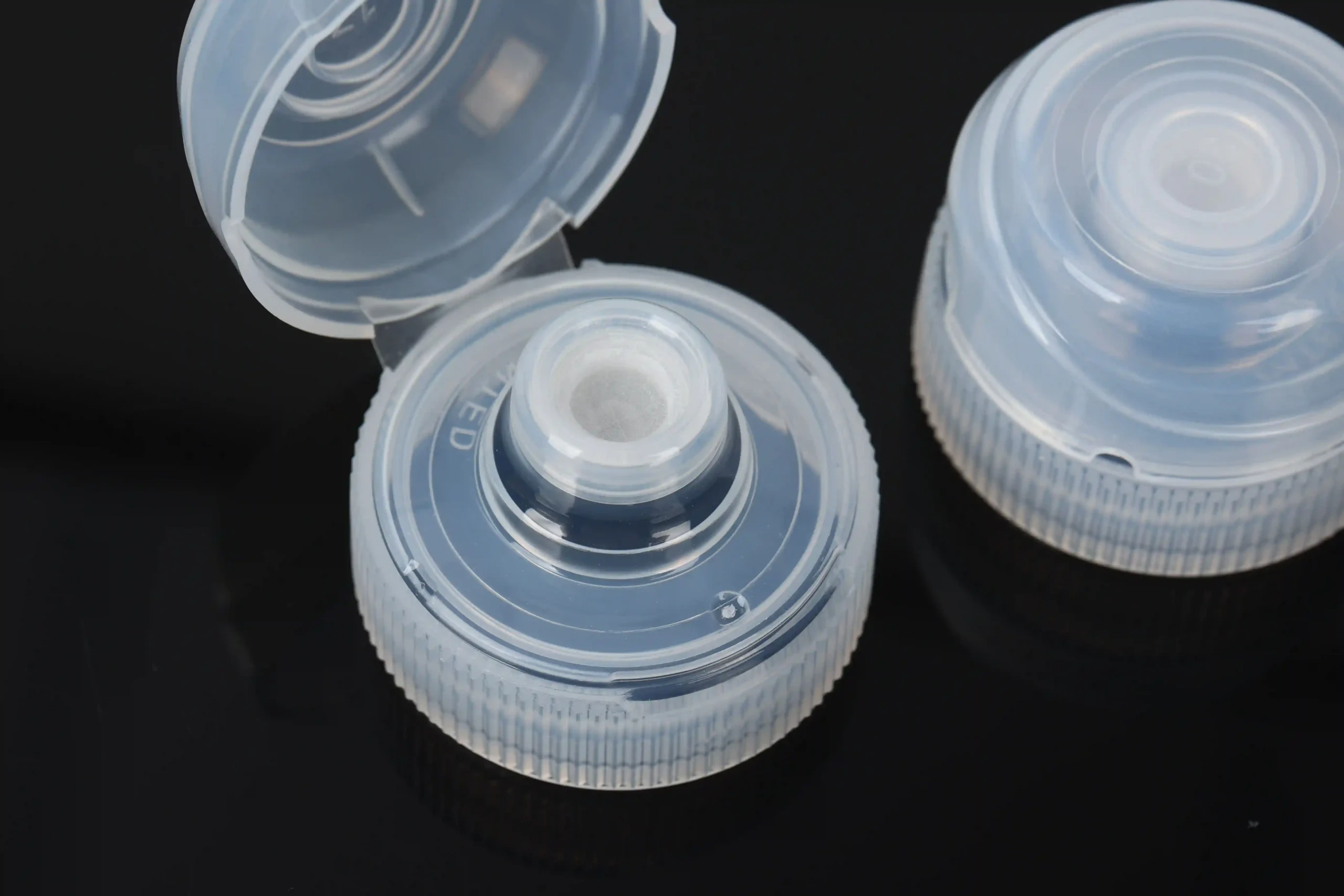
Discover when to customize with color, closures, labels and decoration first—and when a fully custom PET bottle mold becomes the right investment for scale.
Launching a new product often requires packaging that looks distinctive, protects the product, and supports a strong brand identity. However, for startups, private-label brands, regional distributors and test-market projects, investing immediately in a completely new PET bottle mold can create unnecessary financial and inventory risk.
A practical custom PET packaging strategy does not always begin with new tooling. In many cases, brands can start with an existing PET bottle or jar, then customize key visual and functional elements such as the cap, color, label, liner, seal or dispensing component. This approach helps shorten development time, lower upfront investment and validate product demand before moving to a fully custom PET bottle design.
Start With a Lower-Risk PET Packaging Option
For a small-batch launch, a stock PET bottle is often the fastest starting point. Stock containers are existing bottle or jar designs that do not require a new mold, but they can still be adapted to match a brand’s positioning.
Depending on the selected bottle design and order quantity, customization options may include:
Clear, colored or tinted PET material
Different bottle weights and wall-thickness options
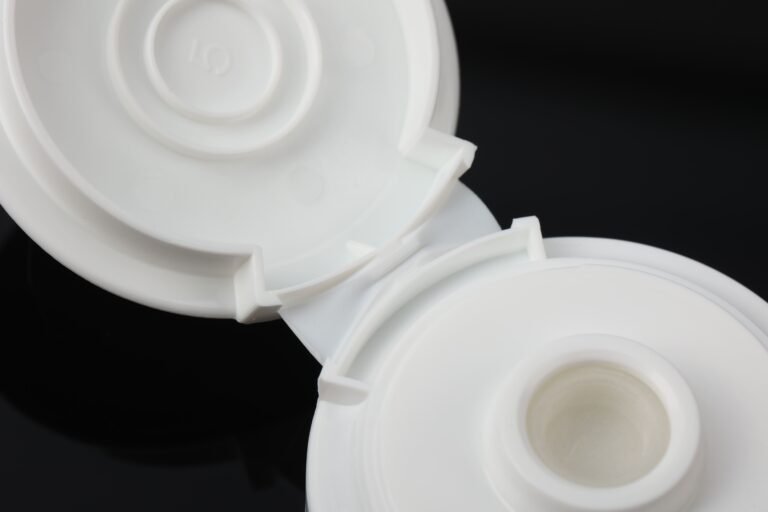
PP screw caps, flip-top caps or dispensing closures
Custom cap colors, matte finishes or glossy finishes
Induction seal liners, pressure-sensitive liners or tamper-evident solutions
Sifter inserts, inner plugs or silicone valve dispensing components
Self-adhesive labels, shrink sleeves, screen printing or hot stamping
Custom outer cartons and export packaging
For example, a new nutrition, personal-care or food brand may begin with a standard clear PET jar, a black matte screw cap, an induction seal and a custom shrink sleeve. The packaging can look brand-specific on the shelf without requiring a dedicated bottle mold during the first product launch.
Stock Bottle, Semi-Custom or New Mold?
The right option depends on product requirements, brand strategy and expected purchase volume.
| Packaging Option | Best For | Main Advantage | Main Limitation |
|---|---|---|---|
| Stock PET bottle | Product testing, low-volume launches, fast delivery | No new mold investment | Shape and dimensions are limited to existing designs |
| Semi-custom PET packaging | Private-label products and developing brands | Custom color, cap, label and decoration at lower risk | Bottle profile remains based on an existing mold |
| Fully custom PET bottle | Established brands and scalable product lines | Full control of shape, neck finish, weight and visual identity | Requires tooling investment, longer development and higher volume planning |
For example, a brand may need a unique bottle shoulder for better shelf recognition, a heavier base for a premium appearance, or a specific neck design for a proprietary closure. In these situations, a custom PET mold can create long-term value—but only after the product and demand forecast are sufficiently validated.
Related Articles:
Test Before You Scale
A visually attractive bottle is not enough. Before placing a larger production order, brands should test the complete packaging system with the actual product.
This is especially important for liquids, oils, sauces, powders, granules, supplements, cosmetics, household cleaners and other products that may create leakage, compatibility or dispensing challenges.
Key evaluation points include:
Actual fill volume and required headspace
Bottle strength, wall thickness and panel resistance
Product compatibility with PET material
Closure fit and cap torque
Liner or induction seal performance
Leak testing during storage and transportation
Drop, stacking and temperature testing
Label adhesion and decoration durability
Consumer opening, pouring or dispensing experience
The bottle, cap and sealing system should always be evaluated together. A bottle may perform well on its own, but incorrect cap torque, an unsuitable liner or an incompatible dispensing insert can still cause leakage or customer complaints.
When Should You Invest in New Tooling?
Brands should consider a fully custom PET bottle when several of the following conditions apply:
The bottle shape is important for brand recognition
Existing PET containers do not fit the required volume or dimensions
A custom neck finish or closure system is needed
The product has special dispensing, dosing or tamper-evident requirements
Annual demand supports the mold investment
The brand has completed successful market testing
Long-term production consistency is more important than short-term flexibility
Before approving a mold, confirm the bottle drawing, neck-finish specification, PET grade, bottle weight, color standard, closure compatibility, decoration method and quality-control requirements. It is also useful to review expected annual volume, future product extensions and whether the same mold platform can support multiple product sizes.
Request a More Accurate PET Packaging Quote
To compare stock PET bottles, semi-custom options and new-mold solutions, buyers should provide as much project information as possible:
Product type and intended application
Required fill volume or brimful capacity
Preferred bottle shape and approximate dimensions
PET color, transparency or recycled-content requirement
Required cap, liner, seal or dispensing insert
Decoration method and branding artwork
Estimated first order quantity and annual demand
Target market, destination country or port
Reference photos, drawings or existing samples
A clear project brief helps the supplier recommend a packaging solution that fits the current launch stage instead of pushing a high-cost mold before it is necessary.
Build Your Brand Before Committing to Tooling
Custom PET packaging does not need to begin with the highest-risk option. For many small-batch launches, the most effective path is to start with a proven PET bottle or jar, customize the closure and visual presentation, test the full packaging system, and scale into dedicated tooling when demand is established.
This phased approach can help brands protect cash flow, shorten time to market and make better packaging decisions as the product line grows.
Custom PET Packaging
Find answers about stock and custom PET packaging, mold investment, packaging testing, customization options, and quotation requirements.
Can I create custom PET packaging without paying for a new mold?
Yes. Many small-batch brands begin with an existing PET bottle or jar design and customize the packaging through bottle color, cap color, cap style, liners, induction seals, labels, shrink sleeves, screen printing or other decoration options. This approach can reduce development time and avoid an early tooling investment while the product is being tested in the market.
When does it make sense to invest in a custom PET bottle mold?
A new PET bottle mold is usually worth considering when the packaging shape is central to brand recognition, an existing container cannot meet the required volume or dimensions, the product needs a special neck finish or dispensing design, or expected order volume is high enough to justify the tooling cost. Before opening a mold, brands should confirm the target fill volume, product compatibility, closure requirements, annual demand and production forecast.
What is the difference between a stock PET bottle and a fully custom PET bottle?
A stock PET bottle is an existing design that can often be supplied more quickly and with lower initial investment. It can still be customized through color, closures, printing or labeling. A fully custom PET bottle is developed from a new design and usually requires dedicated tooling, allowing the buyer to control the bottle profile, shoulder shape, base, dimensions, weight, neck finish and branding details more precisely.
How can I test PET packaging before placing a larger production order?
Start with samples and conduct filling tests using the actual product. Depending on the application, tests may include leakage checks, cap torque verification, drop testing, stacking tests, temperature exposure, compatibility testing and label adhesion evaluation. For liquid, oil-based, acidic, powdered or granular products, the bottle, closure and sealing system should be evaluated together rather than as separate components.
Which PET packaging elements can be customized before changing the bottle mold?
Brands can often customize several visible and functional features without creating a new bottle mold. These may include PET color or transparency level, bottle weight where compatible with existing tooling, cap type, cap color, liner, induction seal, tamper-evident feature, dispensing insert, silicone valve, label, shrink sleeve, screen printing, hot stamping and outer carton design. Available options depend on the selected bottle and production requirements.
What information should I provide to request a custom PET packaging quotation?
For an accurate quotation, provide the target product application, required fill volume, preferred bottle shape, approximate dimensions, desired PET color or transparency, neck finish or cap requirement, sealing method, decoration requirements, estimated order quantity, annual purchasing forecast, sample requirements and destination country or port. If available, include a reference photo, technical drawing, existing sample or brand artwork. The more clearly the bottle-and-closure requirements are defined, the easier it is to recommend a practical solution with controlled tooling and production risk.
All Valves in Stock | Fast Delivery
Get A Free Sample Now
Ready to ship within 3 days. Competitive price. Free samples available!
*Minimum order quantity of 10,000 units.