













Casi di studio
- Casa
- Casi di studio
- Packaging PET personalizzato per lanci in piccoli lotti
Packaging PET personalizzato per lanci in piccoli lotti: come ridurre il rischio degli stampi prima di scalare
Indice dei contenuti
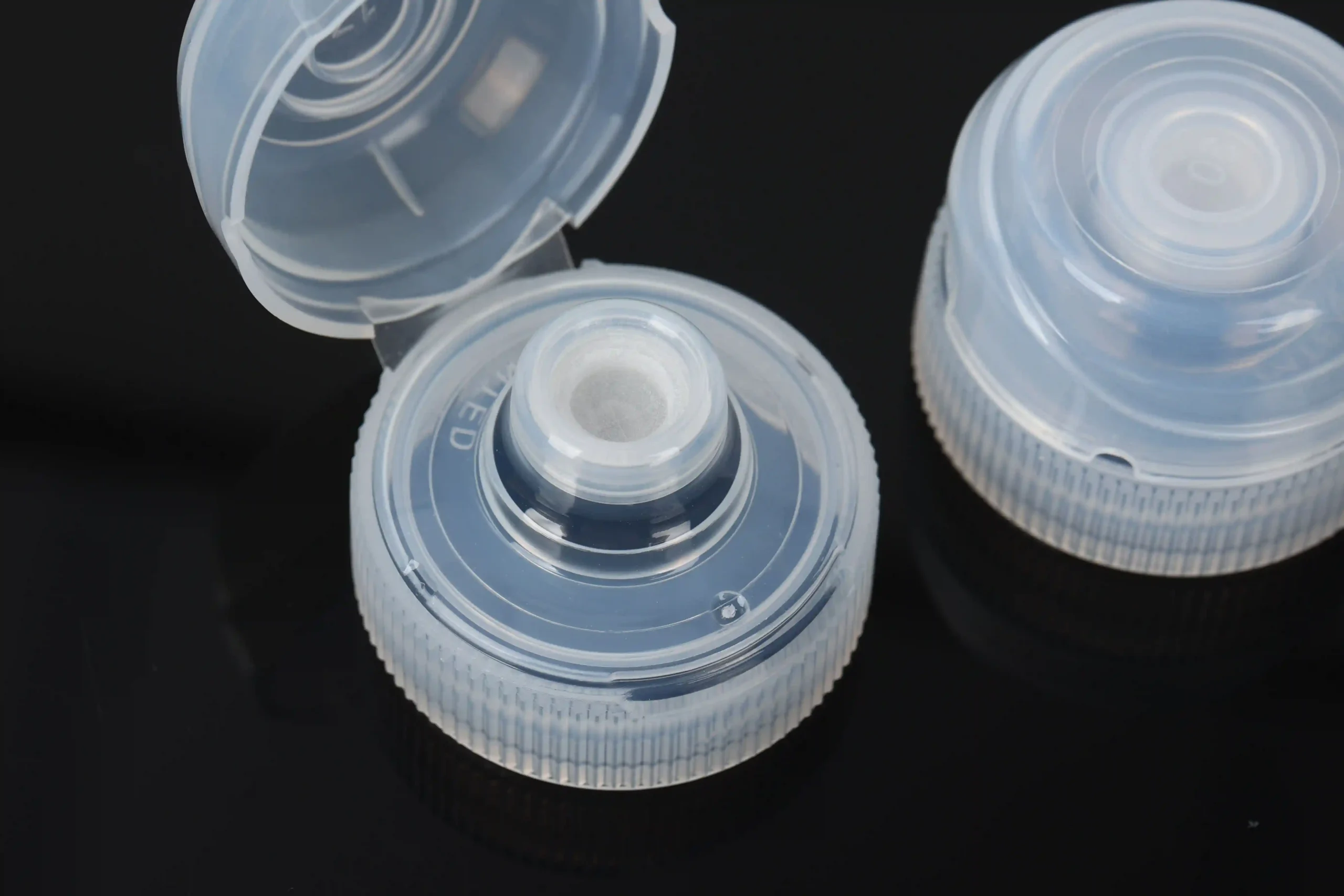
Scopri quando personalizzare prima con colore, chiusure, etichette e decorazione—e quando uno stampo per bottiglie PET completamente personalizzato diventa l'investimento giusto per scalare.
Lanciare un nuovo prodotto spesso richiede un packaging che appaia distintivo, protegga il prodotto e supporti una forte identità di marca. Tuttavia, per startup, marchi private-label, distributori regionali e progetti di test di mercato, investire immediatamente in uno stampo per bottiglie PET completamente nuovo può creare rischi finanziari e di inventario non necessari.
Una strategia pratica di packaging PET personalizzato non inizia sempre con nuovi stampi. In molti casi, i marchi possono partire da una bottiglia o un barattolo PET esistente, per poi personalizzare elementi visivi e funzionali chiave come il tappo, il colore, l'etichetta, il liner, la sigillatura o il componente erogatore. Questo approccio aiuta a ridurre i tempi di sviluppo, abbassare l'investimento iniziale e validare la domanda del prodotto prima di passare a un design di bottiglia PET completamente personalizzato.
Inizia con un'opzione di packaging PET a rischio inferiore
Per un lancio in piccoli lotti, una bottiglia PET standard è spesso il punto di partenza più rapido. I contenitori standard sono design di bottiglie o barattoli esistenti che non richiedono un nuovo stampo, ma possono comunque essere adattati per rispecchiare il posizionamento di un marchio.
A seconda del design della bottiglia selezionato e della quantità dell'ordine, le opzioni di personalizzazione possono includere:
Materiale PET trasparente, colorato o tinto
Diverse grammature delle bottiglie e opzioni di spessore della parete
Tappi a vite in PP, tappi flip-top o chiusure erogatrici
Colori personalizzati dei tappi, finiture opache o finiture lucide
Liner a induzione, liner pressure-sensitive o soluzioni tamper-evident
Inserti setacciatori, tappi interni o componenti erogatori con valvola in silicone
Etichette autoadesive, maniche termoretraibili, serigrafia o stampa a caldo
Cartoni esterni personalizzati e packaging per l'esportazione
Ad esempio, un nuovo marchio di nutrizione, cura della persona o alimentare può iniziare con un barattolo PET trasparente standard, un tappo a vite nero opaco, una sigillatura a induzione e una manica termoretraibile personalizzata. Il packaging può apparire specifico del marchio sullo scaffale senza richiedere uno stampo dedicato per la bottiglia durante il primo lancio del prodotto.
Bottiglia standard, semipersonalizzata o nuovo stampo?
L'opzione giusta dipende dai requisiti del prodotto, dalla strategia del marchio e dal volume di acquisto previsto.
| Opzione di imballaggio | Ideale per | Vantaggio principale | Limitazione principale |
|---|---|---|---|
| Bottiglia in PET standard | Test del prodotto, lanci a basso volume, consegna rapida | Nessun investimento in nuovi stampi | Forma e dimensioni limitate ai design esistenti |
| Imballaggio in PET semi-personalizzato | Prodotti a marchio privato e marchi in sviluppo | Colore, tappo, etichetta e decorazione personalizzati con rischio inferiore | Il profilo della bottiglia rimane basato su uno stampo esistente |
| Bottiglia in PET completamente personalizzata | Marchi affermati e linee di prodotto scalabili | Controllo completo di forma, finitura del collo, peso e identità visiva | Richiede investimento in attrezzature, sviluppo più lungo e pianificazione di volumi più elevati |
Ad esempio, un marchio può aver bisogno di una spalla della bottiglia unica per una migliore riconoscibilità sullo scaffale, di una base più pesante per un aspetto premium, o di un design specifico del collo per una chiusura proprietaria. In queste situazioni, uno stampo in PET personalizzato può creare valore a lungo termine, ma solo dopo che il prodotto e la previsione della domanda sono stati sufficientemente convalidati.
Articoli correlati:Il libro di testo
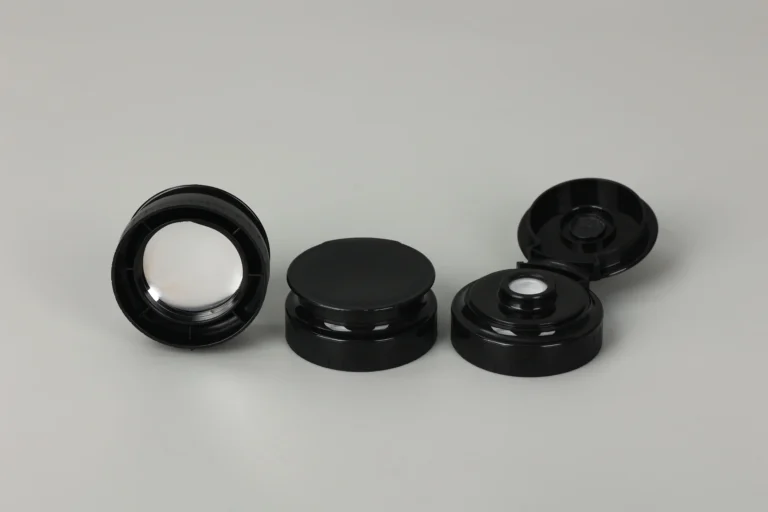
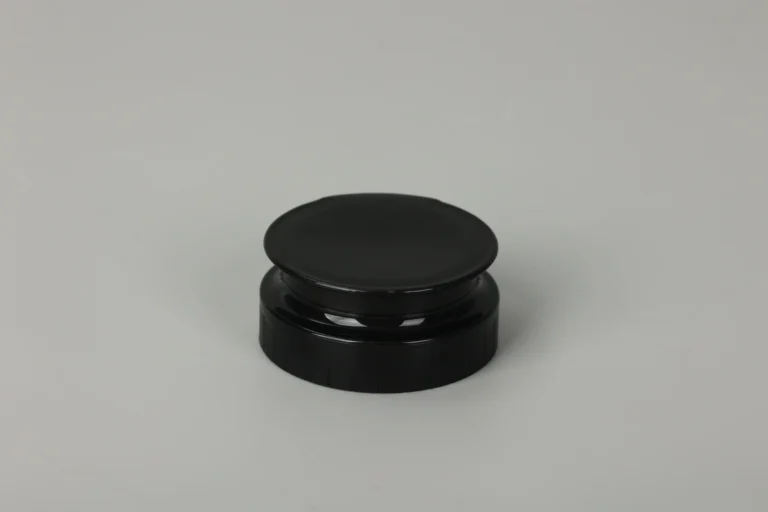
Controlli di qualità del tappo flip top BRC 38 prima dell'approvazione del fornitore
Come ridurre le perdite delle bottiglie di shampoo nelle borse da palestra e da viaggio
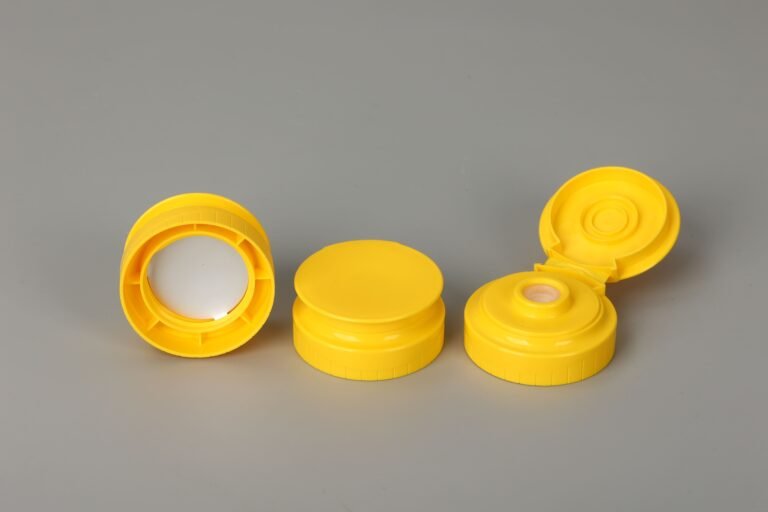
Tappi per bottiglie di miele 38-400: un tappo per più formati di bottiglia
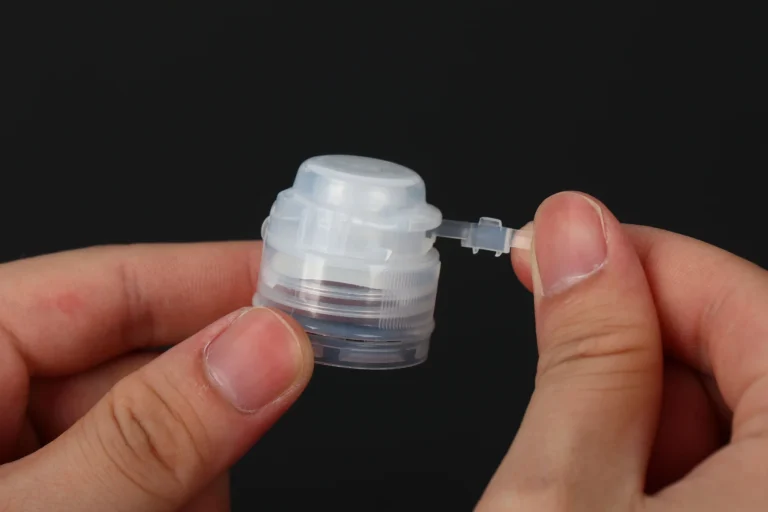
Chiusura in plastica da 28 mm per bottiglia: Guida alla compatibilità con la linea di tappatura
Testa prima di scalare
Una bottiglia visivamente attraente non è sufficiente. Prima di effettuare un ordine di produzione più grande, i marchi dovrebbero testare il sistema di imballaggio completo con il prodotto reale.
This is especially important for liquids, oils, sauces, powders, granules, supplements, cosmetics, household cleaners and other products that may create leakage, compatibility or dispensing challenges.
Key evaluation points include:
Actual fill volume and required headspace
Bottle strength, wall thickness and panel resistance
Product compatibility with PET material
Closure fit and cap torque
Liner or induction seal performance
Leak testing during storage and transportation
Drop, stacking and temperature testing
Label adhesion and decoration durability
Consumer opening, pouring or dispensing experience
The bottle, cap and sealing system should always be evaluated together. A bottle may perform well on its own, but incorrect cap torque, an unsuitable liner or an incompatible dispensing insert can still cause leakage or customer complaints.
When Should You Invest in New Tooling?
Brands should consider a fully custom PET bottle when several of the following conditions apply:
The bottle shape is important for brand recognition
Existing PET containers do not fit the required volume or dimensions
A custom neck finish or closure system is needed
The product has special dispensing, dosing or tamper-evident requirements
Annual demand supports the mold investment
The brand has completed successful market testing
Long-term production consistency is more important than short-term flexibility
Before approving a mold, confirm the bottle drawing, neck-finish specification, PET grade, bottle weight, color standard, closure compatibility, decoration method and quality-control requirements. It is also useful to review expected annual volume, future product extensions and whether the same mold platform can support multiple product sizes.
Request a More Accurate PET Packaging Quote
To compare stock PET bottles, semi-custom options and new-mold solutions, buyers should provide as much project information as possible:
Product type and intended application
Required fill volume or brimful capacity
Preferred bottle shape and approximate dimensions
PET color, transparency or recycled-content requirement
Required cap, liner, seal or dispensing insert
Decoration method and branding artwork
Estimated first order quantity and annual demand
Target market, destination country or port
Reference photos, drawings or existing samples
A clear project brief helps the supplier recommend a packaging solution that fits the current launch stage instead of pushing a high-cost mold before it is necessary.
Build Your Brand Before Committing to Tooling
Custom PET packaging does not need to begin with the highest-risk option. For many small-batch launches, the most effective path is to start with a proven PET bottle or jar, customize the closure and visual presentation, test the full packaging system, and scale into dedicated tooling when demand is established.
This phased approach can help brands protect cash flow, shorten time to market and make better packaging decisions as the product line grows.
Custom PET Packaging
Find answers about stock and custom PET packaging, mold investment, packaging testing, customization options, and quotation requirements.
Can I create custom PET packaging without paying for a new mold?
Yes. Many small-batch brands begin with an existing PET bottle or jar design and customize the packaging through bottle color, cap color, cap style, liners, induction seals, labels, shrink sleeves, screen printing or other decoration options. This approach can reduce development time and avoid an early tooling investment while the product is being tested in the market.
When does it make sense to invest in a custom PET bottle mold?
A new PET bottle mold is usually worth considering when the packaging shape is central to brand recognition, an existing container cannot meet the required volume or dimensions, the product needs a special neck finish or dispensing design, or expected order volume is high enough to justify the tooling cost. Before opening a mold, brands should confirm the target fill volume, product compatibility, closure requirements, annual demand and production forecast.
What is the difference between a stock PET bottle and a fully custom PET bottle?
A stock PET bottle is an existing design that can often be supplied more quickly and with lower initial investment. It can still be customized through color, closures, printing or labeling. A fully custom PET bottle is developed from a new design and usually requires dedicated tooling, allowing the buyer to control the bottle profile, shoulder shape, base, dimensions, weight, neck finish and branding details more precisely.
How can I test PET packaging before placing a larger production order?
Start with samples and conduct filling tests using the actual product. Depending on the application, tests may include leakage checks, cap torque verification, drop testing, stacking tests, temperature exposure, compatibility testing and label adhesion evaluation. For liquid, oil-based, acidic, powdered or granular products, the bottle, closure and sealing system should be evaluated together rather than as separate components.
Which PET packaging elements can be customized before changing the bottle mold?
Brands can often customize several visible and functional features without creating a new bottle mold. These may include PET color or transparency level, bottle weight where compatible with existing tooling, cap type, cap color, liner, induction seal, tamper-evident feature, dispensing insert, silicone valve, label, shrink sleeve, screen printing, hot stamping and outer carton design. Available options depend on the selected bottle and production requirements.
What information should I provide to request a custom PET packaging quotation?
For an accurate quotation, provide the target product application, required fill volume, preferred bottle shape, approximate dimensions, desired PET color or transparency, neck finish or cap requirement, sealing method, decoration requirements, estimated order quantity, annual purchasing forecast, sample requirements and destination country or port. If available, include a reference photo, technical drawing, existing sample or brand artwork. The more clearly the bottle-and-closure requirements are defined, the easier it is to recommend a practical solution with controlled tooling and production risk.
Tutte le valvole in stock e consegna rapida
Richiedi subito un campione gratuito
Pronto per la spedizione entro 3 giorni. Prezzo competitivo. Campioni gratuiti disponibili!
*Quantità minima ordinabile di 10.000 unità.