Portuguese
  English
  German
  Spanish
  Italian
  Russian
  Arabic
  Korean
  Japanese
  French
  Dutch
Dutch  Danish
  Norwegian
  Turkish
  Czech
Czech  Lithuanian
  Polish
  Slovenian


Da garrafa à tampa: como a XUFU desenvolve soluções completas de embalagem com sistema de dosagem
Índice
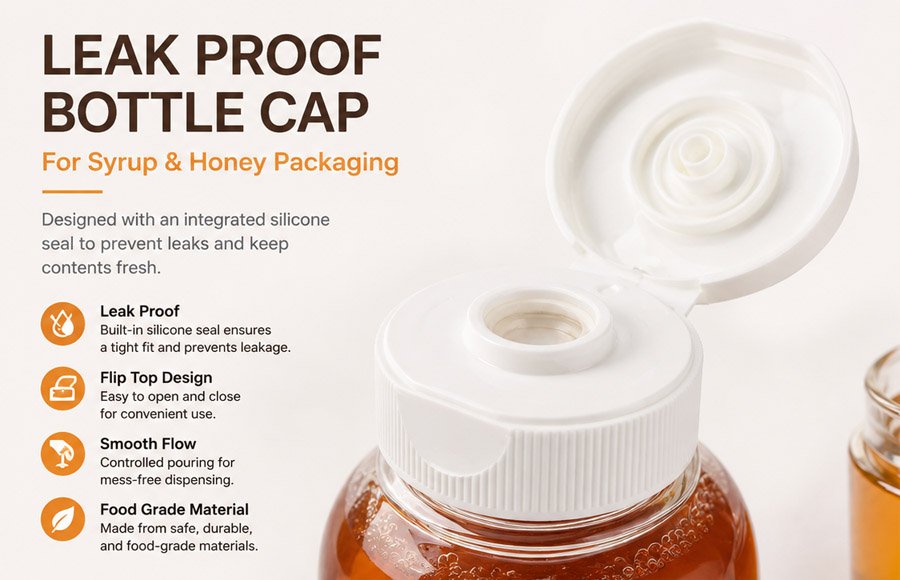
Quando se desenvolve um novo molho, xarope ou produto à base de mel, a garrafa e a tampa não podem ser consideradas peças separadas. Está-se a criar um sistema único. Se a tampa apresentar fugas ou se a rosca da garrafa não encaixar corretamente, toda a embalagem fica comprometida. Muitos compradores só se apercebem disso depois de testarem amostras ou de receberem reclamações dos clientes.
Talvez já tenhas passado por isto. Uma garrafa parece estar em boas condições, a tampa doseadora Encaixa bem, mas após o enchimento e o envio, surgem pequenas fugas. Ou o produto escorre demasiado depressa e deixa resíduos pegajosos na tampa. Estes são problemas comuns e, normalmente, resultam de uma má compatibilidade entre o frasco e a tampa.
É por isso que, atualmente, cada vez mais equipas procuram uma solução completa. A Tampa doseadora 38/400 A válvula de silicone é frequentemente escolhida porque melhora tanto a vedação como a experiência do utilizador quando é adequadamente combinada com o biberão.
Por que razão cada vez mais marcas preferem uma solução completa para garrafas e tampas
Se adquirir garrafas e tampas de fornecedores diferentes, acaba muitas vezes por perder tempo extra a resolver pequenos problemas. A incompatibilidade das roscas é um dos mais comuns. Uma tampa 38/400 deve seguir uma norma, mas, na realidade, pequenas diferenças no acabamento do gargalo da garrafa podem afetar a vedação.
Pode apertar mais a tampa para resolver a fuga, mas, nesse caso, a tampa torna-se difícil de abrir. Ou então, o revestimento de selagem por indução não sela de forma uniforme, porque a pressão não é constante.
Quando o frasco e a tampa dispensadora provêm do mesmo fornecedor, estes aspetos são normalmente testados antecipadamente. O binário da tampa, o ajuste do revestimento e o encaixe da rosca são verificados em conjunto.
A amostragem também é mais fácil. Recebe um frasco compatível e uma tampa dispensadora 38/400, prontos para testes de enchimento. Isto ajuda-o a avaliar o fluxo, a força de pressão e o desempenho da vedação sem ter de adivinhar.
A comunicação também se torna mais simples. Não é necessário andar de um lado para o outro entre duas fábricas a tentar descobrir a causa da fuga. Uma única equipa assume a responsabilidade por ambas as peças.
Como uma tampa dispensadora 38/400 com válvula de silicone melhora a experiência do utilizador
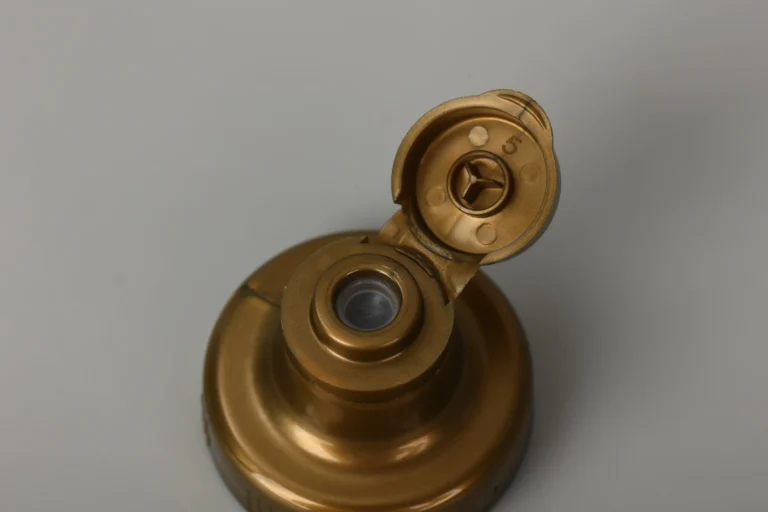
No caso de produtos como xarope ou mel, o controlo é fundamental. O ideal é que o produto saia de forma suave, mas não demasiado depressa. Uma tampa dispensadora 38/400 com válvula de silicone apresenta um design simples, mas eficaz. No interior da tampa, uma válvula de silicone autovedante abre-se quando se aperta o frasco e fecha-se quando se pára. Isto permite um fluxo controlado.
O design da válvula de silicone também influencia o grau de limpeza da tampa. Após a dosagem, a válvula fecha-se e retém o líquido. É por isso que funciona como uma tampa de dosagem sem pingar ou como uma tampa de garrafa anti-pingos. O tamanho do orifício da válvula desempenha um papel importante. Uma abertura mais pequena funciona melhor para o mel, porque retarda o fluxo. Uma abertura ligeiramente maior é adequada para o xarope, proporcionando um fluxo constante.
As fugas durante o transporte constituem outra preocupação. Uma válvula de silicone, por si só, ajuda, mas funciona melhor com um revestimento de selagem por indução térmica. O revestimento IHS sela a garrafa antes da primeira utilização, e a válvula de silicone continua a funcionar como uma tampa à prova de fugas após a abertura. Isto é claramente visível na utilização prática. Uma tampa limpa significa menos resíduos pegajosos, melhor controlo e menos reclamações dos clientes. No caso de uma tampa de garrafa de molho ou de uma tampa dispensadora de mel, isto faz uma grande diferença.
Fluxo controlado para xarope e mel
A válvula de silicone com fecho automático abre-se apenas quando se aperta o frasco, proporcionando um fluxo suave, mas controlado.
Tampa sem gotejamento, mais higiénica
Quando deixar de apertar, a válvula fecha e retira o líquido, ajudando a manter a tampa limpa e sem pingos.
Tamanho do orifício adaptado ao produto
As aberturas mais pequenas da válvula são adequadas para mel viscoso, enquanto os orifícios ligeiramente maiores permitem um fluxo constante de xarope.
Proteção contra fugas no transporte marítimo
A válvula de silicone funciona em conjunto com um revestimento de selagem por indução para reduzir o risco de fugas antes e depois da abertura.
Um projeto real: a criação de uma embalagem dispensadora à prova de fugas para uma marca de produtos alimentares
Uma marca de produtos alimentares apresentou, certa vez, um pedido muito claro. Precisavam de uma garrafa de PET, uma Tampa dispensadora 38/400 com válvula de silicone, e um revestimento de selagem por indução. O produto deles era um xarope aromatizado vendido em lojas de retalho.
Pediram amostras, uma ficha técnica da tampa e uma declaração de conformidade para contacto com alimentos antes de avançarem. Também queriam testar a embalagem na sua linha de enchimento.
O primeiro passo consistiu em verificar o acabamento do gargalo da garrafa. A equipa verificou as dimensões da rosca para garantir que a tampa vedasse corretamente. Isto permitiu evitar problemas numa fase posterior da produção.
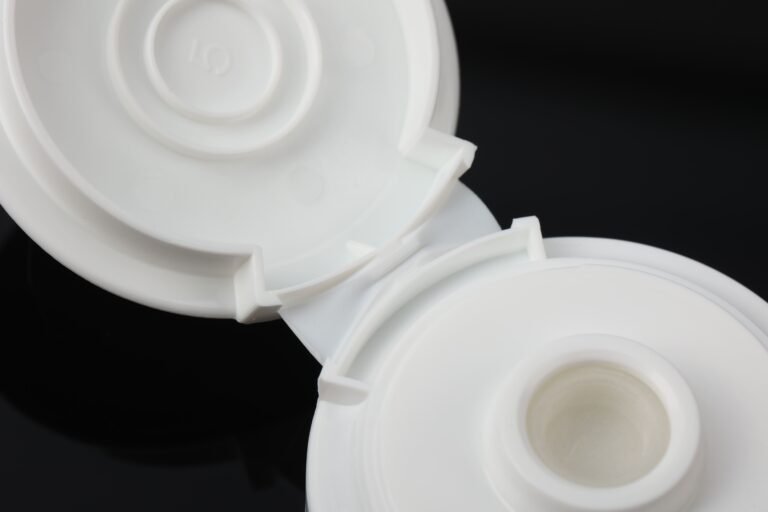
As amostras foram preparadas com uma tampa flip-top com válvula de silicone. O tamanho do orifício da válvula foi selecionado com base na viscosidade do xarope. Após os testes, o cliente considerou que o fluxo era ligeiramente demasiado rápido.
O design da válvula foi ajustado. Uma abertura mais pequena melhorou o controlo sem dificultar a pressão. Este tipo de ajuste é comum e, muitas vezes, necessário.
O cliente também avaliou o desempenho do revestimento da IHS. Após os testes de selagem e armazenamento, a embalagem revelou uma selagem estável, sem fugas.
Assim que todos os pormenores foram confirmados, a produção decorreu sem problemas. Como a garrafa e a tampa foram desenvolvidas em conjunto, não surgiram problemas inesperados durante o enchimento ou o transporte.
Artigos relacionados:
Escolher o material certo para a garrafa: PET ou HDPE?
O material da garrafa influencia tanto a aparência como a funcionalidade. O PET e o HDPE são as opções mais comuns nas embalagens destinadas ao contacto com alimentos. O PET é transparente e rígido. É possível ver o produto no interior, o que é ideal para xaropes. Muitas marcas optam pelo PET porque este material realça a qualidade e a cor do produto. Além disso, funciona bem com um revestimento de selagem por indução, proporcionando uma selagem fiável.
O HDPE é mais macio ao toque e mais fácil de apertar. Isto é útil quando se utiliza uma tampa de garrafa com válvula. Para molhos com maior viscosidade ou teor de óleo, o HDPE é frequentemente a melhor opção devido à sua resistência química. No caso do mel, utilizam-se ambos os materiais. O PET é comum para exposição nas prateleiras. O HDPE funciona melhor quando se pretende uma fácil compressão, especialmente em condições mais frias.
Independentemente do material que escolher, o acabamento do gargalo da garrafa deve ser compatível com a tampa 38/400. Mesmo pequenas diferenças podem afetar a vedação e o desempenho da tampa.
PET – Atração visual nas prateleiras
Transparentes e rígidos, ideais quando se pretende que o xarope ou o mel fiquem visíveis na prateleira. Funcionam bem com revestimentos de selagem por indução, garantindo uma selagem fiável.
HDPE – Flexível e resistente
Mais macio e mais fácil de apertar, adequado para tampas com válvula de pressão e molhos de maior viscosidade ou produtos à base de óleo, com boa resistência química.
Mel – Em embalagem para exposição ou de fácil extração
O PET é comum em expositores transparentes de prateleira, enquanto o HDPE é preferido quando é importante que o produto seja fácil de apertar, especialmente em condições mais frias.
Ajustar o acabamento do colo ao calibre 38/400
Seja qual for o material que escolher, o acabamento do gargalo da garrafa deve ser compatível com a tampa 38/400. Pequenas diferenças podem afetar a vedação e o desempenho da tampa.
Passos para o suporte à embalagem
Etapas fundamentais, desde a escolha da garrafa até um sistema de distribuição 38/400 fiável.
Seleção de garrafas
Escolha o formato, o tamanho e o material da garrafa de acordo com o seu produto e a utilização pretendida.
Conceção de tampas e válvulas
Definir o controlo do caudal, a estanqueidade e o desempenho das válvulas de silicone para a dosagem.
Fabrico de moldes
Construir moldes para garrafas e tampas, de modo a manter estáveis as dimensões e o encaixe da tampa 38/400.
Análise de amostras
Faça um teste com o seu produto e ajuste o orifício da válvula ou o tipo de revestimento, se necessário.
Produção e Controlo de Qualidade
Realizar os processos de moldagem e sopro, incluindo testes de estanqueidade e verificações do desempenho dos fechos.
Avaliação do cliente
Aprovar as amostras, confirmar a quantidade mínima de encomenda (MOQ) e verificar a documentação relativa ao contacto com alimentos.
Sistema 38/400 fiável
A tampa final com válvula de silicone torna-se uma parte integrante da sua embalagem.
Agora é a sua vez
Tem uma encomenda para fazer? Entre em contacto connosco!
Todas as válvulas em stock | Entrega rápida
Obter uma amostra grátis agora
Pronto a enviar no prazo de 3 dias. Preço competitivo. Amostras grátis disponíveis!
*Quantidade mínima de encomenda de 10.000 unidades.