Slovenian
  English
  German
  Spanish
  Italian
  Russian
  Arabic
  Korean
  Japanese
  French
  Dutch
Dutch  Danish
  Norwegian
  Portuguese
  Turkish
  Czech
Czech  Lithuanian
  Polish


Plastični osmerokotni pokrovčki za kozmetične tube: Zakaj so osemstranska zapirala boljša od okroglih pokrovčkov
Kazalo vsebine
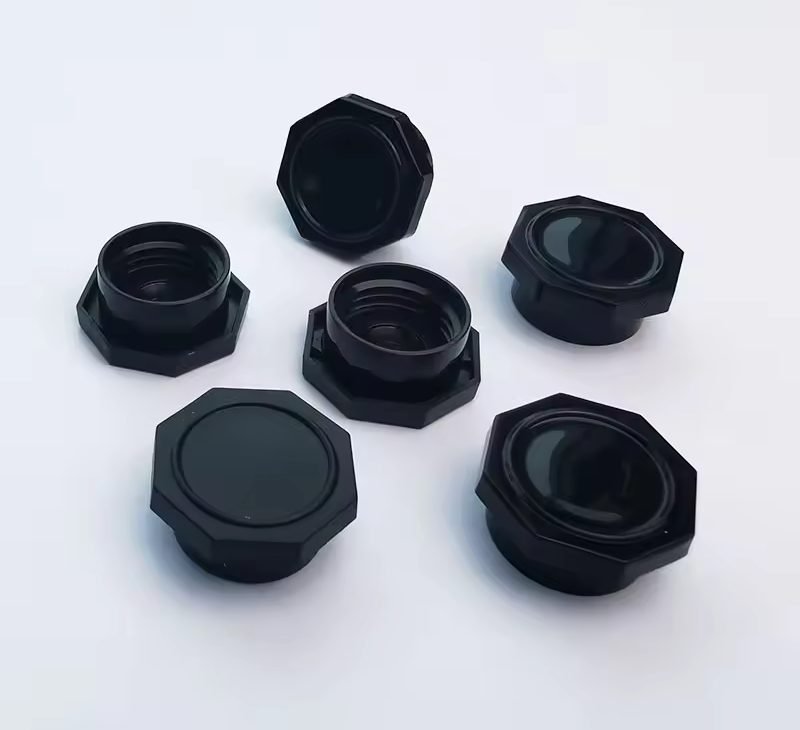
TL;DR
Plastični osmerokotni pokrovčki so običajno izdelani iz PP ali HDPE in se dobro obnesejo pri kozmetičnih epruvetah za stiskanje od 5 ml do 200 ml, običajnih premerov od 19 mm do 50 mm.
Osem ravnih stranic daje tri jasne prednosti pred okroglimi pokrovčki: boljši oprijem, ko so roke mokre, manjše kotaljenje po ravnih površinah in bolj kakovosten občutek pri odpiranju.
Najpogostejša napaka pri nakupu je prileganje navoja. Standardne velikosti so M9, M11 in M15, zato je treba pred naročilom preveriti tako pokrovček kot vrat cevi.
Črna osmerokotni pokrovčki iz PP so še posebej priljubljeni v vrhunski negi kože. Prilagodite jih lahko z barvami Pantone, mat ali sijajnimi zaključki, foliranjem, reliefnim tiskom, sitotiskom, vročim žigosanjem in galvanizacijo.
Težko je najti celoten vodnik za osmerokotne pokrovčke, zato ta članek zapolnjuje to vrzel s primerjavo med okroglimi in osmerokotnimi pokrovčki, nasveti za izbiro materiala in kontrolnim seznamom dobaviteljev.
Problem pokrovčka kozmetične tube
Okrogli pokrovčki so funkcionalni, poceni in se pogosto uporabljajo. Vendar se pri vsakodnevni uporabi, proizvodnji, pošiljanju in razstavljanju na drobno njihova geometrija ustvarja več skritih točk napak.
Neuspeh pri oprijemu
Gladke okrogle pokrovčke je težko zasukati z mokrimi, mastnimi ali z losjonom namazanimi prsti. Za uporabnike krem za roke, losjonov za telo in izdelkov za nego kože je to vsakodnevna težava.
Nestabilnost sistema Roll-Away
Okrogel pokrovček se lahko prevrne, če pade na proizvodno linijo, toaletno mizico ali v notranjost. transportne škatle. Njegova oblika v vsaki fazi deluje proti stabilnosti.
Nevidnost police
Okrogli pokrovčki so privzeta nastavitev kategorije. Na prenatrpanih maloprodajnih policah le redko ustvarijo nepozaben vizualni signal, tudi če je ohišje tube popolnoma prilagojeno.
Zaznana vrzel v kakovosti
Okrogel pokrovček je funkcionalen. Osmerokotni pokrovček je oblikovan. Za vrhunske blagovne znamke za nego kože, lahko ta zaznana nadgradnja neposredno spodbudi zaupanje pri nakupu.
Geometrija spremeni izkušnjo.
Okrogli pokrovček ima mehanske in ne le kozmetične pomanjkljivosti. Sprememba geometrije pokrovčka izboljša oprijem, stabilnost, prisotnost na polici in zaznano vrednost izdelka.
Kaj ekipe za pakiranje usklajujejo
Vodje javnih naročil običajno primerjajo pokrovčke za cevi med štirimi konkurenčnimi prednostnimi nalogami. Osmerokotni pokrovček se odlično odreže pri funkcijah, uporabniški izkušnji in razlikovanju, in stroškovno učinkovitostjo.
Rezultati, ki jih je mogoče uporabiti
Ta štiridimenzionalni okvir uporabite kot ocenjevalno matriko pri primerjanju vrst pokrovčkov. Vsako možnost ocenite z ocenami od 1 do 5. Osmerokotni pokrovčki so običajno boljši od okroglih pokrovčkov pri zanesljivostjo, uporabniško izkušnjo in razlikovanjem med blagovnimi znamkami.
Možnosti zahtevka za pokrovčekPrednost osmerokotnika: Oblikovanje, materiali in zmogljivost
Geometrija za oprijem, stabilnost in preprečevanje zdrsa
Osemstranska oblika hkrati rešuje več praktičnih težav pri pakiranju.
Prvič, uporabnikom omogoča boljši oprijem. Osmerokotni pokrovček ima ravne ploskve, ki ustvarijo več kontaktnih točk kot gladki okrogli pokrovček. Tako ga je lažje zavrteti, zlasti če so roke mokre ali prekrite z losjonom, kremo ali drugimi ostanki. Pri kozmetičnih tubah lahko ta majhna razlika zelo izboljša vsakodnevno uporabniško izkušnjo.
Poleg tega oblika preprečuje, da bi se pokrovček odkotalil. Okrogel pokrovček se zlahka premakne, ko ga položite na pult, spustite na tla ali ohlapno zapakirate v škatlo. Osmerokotni pokrovček veliko bolje ostane na mestu. To je pomembno na proizvodni liniji, med pošiljanjem in v kopalnici, kjer se izdelek dejansko uporablja.
Oblika daje pokrovčku tudi bolj prefinjen otip. Ko ga uporabniki zasučejo, robovi ustvarijo bolj izrazit gib. Občutek je bolj premišljen in bolj kakovosten kot pri osnovnem okroglem pokrovčku. Takšne podrobnosti je težko izmeriti, vendar jih potrošniki opazijo.
Številni osemkotni vijačni pokrovčki imajo tudi obroček, ki se lahko odtrga in ga je mogoče odpreti. Ta obroček ostane pritrjen, ko je pokrovček prvič zaprt, nato pa se ob prvem odpiranju popolnoma zlomi. Potrošnikom daje jasen znak, da izdelek še ni bil odprt.
Izbira materiala: PP proti HDPE proti PCR
Osmerokotni pokrovčki so običajno izdelani iz PP, HDPE ali PCR PP.
PP ali polipropilen je najpogostejša izbira za vrhunsko kozmetično embalažo. Zagotavlja dobro odpornost proti udarcem, močno kemično odpornost in površino, ki se dobro ujema z barvami, tiskom in različnimi možnostmi zaključnih obdelav. Je praktičen material za kreme za roke, losjone in druge izdelke za nego kože, ki potrebujejo čistejši in bolj poliran videz.
Druga pogosta možnost je HDPE ali polietilen visoke gostote. Je lažji, prožnejši in običajno cenejši. Zato je primeren za večje pokrovčke ali linije izdelkov, pri katerih so stroški na enoto pomembnejši od vrhunskega občutka. Še vedno se dobro obnese, vendar ne zagotavlja vedno enake kakovosti površine kot PP.
PCR PP postaja vse bolj priljubljen pri blagovnih znamkah, ki želijo izraziteje poudariti trajnostno sporočilo. PCR je kratica za recikliran material, ki je nastal po potrošnji. V številnih primerih lahko zagotavlja zmogljivost, ki je blizu prvotnemu PP, hkrati pa zmanjšuje ogljični odtis embalaže. Za blagovne znamke, ki si prizadevajo za okolju prijazno pozicioniranje, je to močna izbira.
Izbira je običajno preprosta: blagovne znamke premium razreda pogosto izberejo PP, blagovne znamke, ki temeljijo na vrednosti, pogosto izberejo HDPE, blagovne znamke, ki se osredotočajo na trajnost, pa pogosto izberejo PCR PP.
Velikosti, navoji in zmogljivost
Pri izbiri kozmetičnega pokrovčka za tube ne gre le za videz. Premer, zmogljivost polnjenja, obdelava vratu tube in standard navoja morajo sodelovati, preden se začne proizvodnja.
Razponi standardnih velikosti in kartiranje zmogljivosti cevi
| Premer pokrovčka | Kapaciteta polnjenja cevi | Tipična uporaba |
|---|---|---|
| 19 mm-22 mm | 20-30 ml | Potovalna velikost kreme za roke, kreme za oči, tube z vzorci |
| 35-40 mm | 80-130 ml | Polna velikost kreme za roke, vlažilna krema za obraz |
| 45 mm-50 mm | 120-180 ml | Losjon za telo, krema za sončenje, maske za lase |
Ta razpon je dovolj velik, da je mogoče udobno vrteti z odraslimi rokami, hkrati pa ohranja profil cevi eleganten. Manjši pokrovčki lahko prihranijo delček centa na enoto, vendar je slabši uporabnost lahko stane več zaradi nižje stopnje ponovnih nakupov.
Razponi zmogljivosti so približni. Dejanska prostornina polnjenja je odvisna od viskoznosti formulacije, geometrije rame cevi in polnilnega stroja. Preizkusno polnjenje z dejanskim izdelkom preden dokončno določite velikost pokrovčka.
Standardi navojev: M9, M11 in M15
| Standardni navoj | Tipičen premer cevi | Pogoste aplikacije |
|---|---|---|
| M9 | 13,5 mm-19 mm | Tubice z vzorci, krema za oči, tretmaji za ustnice |
| M11 | 22 mm-28 mm | Krema za roke, sredstvo za čiščenje obraza, standardna nega kože |
| M15 | 30 mm-40 mm | Losjon za telo, krema za sončenje, tube z velikim volumnom |
Neskladje navojev je najdražja napaka pri nabavi pokrovčkov.
Pokrovček M11 na vratu M9 se lahko navzkrižno navleče in pušča. Pokrovček M15 na vratu M11 lahko ohlapen in ne more biti zagotovljeno tesnilo, ki ga je mogoče odpreti. Te težave se pogosto odkrijejo šele ko prispejo proizvodne serije.
Zgornje preslikave navojev na premer so pripravljene na podlagi seznamov izdelkov dobaviteljev, ne iz uradnega dokumenta ISO ali industrijskega standarda. Obravnavajte jih kot običajno in jih vedno preverite pri svojem dobavitelju cevi.
Sorodni članki:
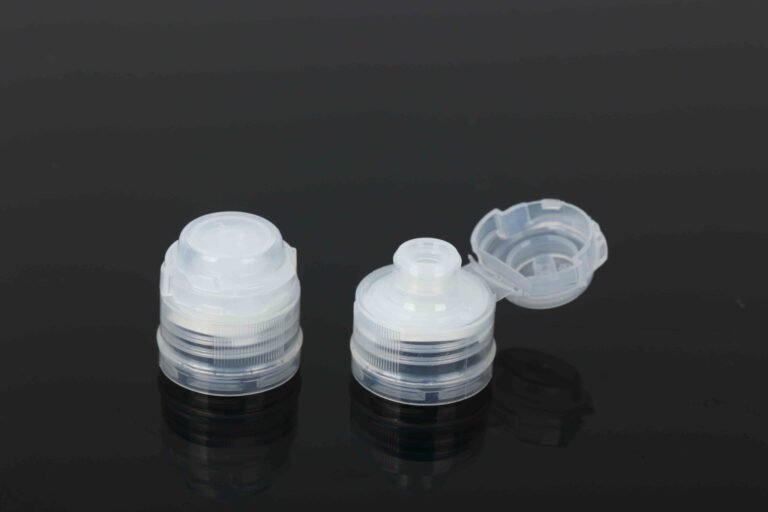
Osmerokotni in okrogli pokrovčki: .
Primerjava funkcij
Ko blagovne znamke primerjajo osmerokotne pokrovčke z okroglimi pokrovčki, je razlike enostavno opaziti, ko je izdelek v dejanski uporabi.
| Dimenzija | Osmerokotni pokrovček | Okrogli pokrovček |
|---|---|---|
| Oprijem na mokrih rokah | Odlično - ravne ploskve uporabnikom omogočajo močnejši oprijem | Šibka - gladka površina lahko zlahka zdrsne |
| Stabilnost proti kotaljenju | Da - oblika pomaga ohranjati pokrovček na mestu | Ne - okrogli pokrovčki se kotalijo po ravnih površinah |
| Razlikovanje med policami | Visoka - oblika vizualno izstopa | Nizka - zasnova je običajna in jo zlahka spregledamo. |
| Dokazi o ponarejanju | Standardni - pogosto vključuje obroček za odpenjanje | Na voljo, vendar redkeje pri osnovnih pokrovčkih |
| Prilagajanje | Popolnoma - Pantone barve, mat ali sijajni zaključek, foliranje, relief, sitotisk, vroče žigosanje in galvanizacija | Popolna - na voljo so podobne možnosti dekoracije |
| Stroški na enoto | Nekoliko višje - oblikovanje kalupa je bolj zapleteno | Nižje - preprostejša struktura in širša baza dobaviteljev |
| Zaznana kakovost | Premium - daje bolj oblikovan in nameren videz | Osnovni - funkcionalni, vendar standardni |
| MOQ | 30.000-100.000 kosov za naročila po meri | Običajno nižje za pokrovčke na zalogi |
Iz preglednice je razviden jasen vzorec. Osmerokotni pokrovčki so običajno nekoliko dražji, vendar zagotavljajo boljši oprijem, boljšo stabilnost, močnejšo prisotnost na policah in bolj vrhunski občutek.
Prilagajanje je eno od področij, kjer se lahko obe vrsti pokrovčkov dobro obneseta. Oba lahko okrasite z enakimi površinskimi obdelavami. Razlika je v tem, da so osmerokotni pokrovčki že pred začetkom okraševanja videti bolj prepoznavni.
Pri večjih naročilih je razlika v stroških pogosto dovolj majhna, da jo je mogoče vključiti v proračun za embalažo. Pri manjših blagovnih znamkah je lahko pomembnejša. V tem primeru je najbolje, da pred končno odločitvijo primerjate ponudbe več dobaviteljev.
Ključne zahteve za zapiranje kozmetičnih tub
Vsak kupec mora pred oddajo naročila preveriti nekaj točk, o katerih se ne sme pogajati.
Najprej se mora navoj natančno ujemati z vratom cevi. Običajne velikosti so M9, M11 in M15. Če je navoj napačen, lahko pokrovček pušča ali se ne prilega pravilno.
Drugič, pokrovček mora med prevozom dobro tesniti. Med prevozom mora vzdržati vibracije, spremembe tlaka in temperaturna nihanja.
Tretjič, obroček za preprečevanje nedovoljenih posegov mora delovati pravilno. Ob prvem zaprtju mora ostati nedotaknjen, po uporabi pokrovčka pa mora jasno signalizirati odpiranje.
Četrtič, material mora biti kozmetičnega razreda. PP in HDPE sta pogosta izbira, vendar mora biti vsebnost PCR tudi certificirana, če so del zgodbe o izdelku trditve o trajnosti.
Petič, barve po meri morajo ostati stabilne skozi čas. Ne smejo zbledeti, iztekati ali reagirati z izdelkom v tubi.
Pred serijsko proizvodnjo je treba vedno preskusiti vzorčno serijo. Fizični preskus prileganja lahko odkrije težave, ki jih risbe in specifikacijski listi lahko spregledajo.
Velikosti, navoji in zmogljivost
Pri izbiri kozmetičnega pokrovčka za tube ne gre le za videz. Premer, zmogljivost polnjenja, obdelava vratu tube in standard navoja morajo sodelovati, preden se začne proizvodnja.
Razponi standardnih velikosti in kartiranje zmogljivosti cevi
| Premer pokrovčka | Kapaciteta polnjenja cevi | Tipična uporaba |
|---|---|---|
| 19 mm-22 mm | 20-30 ml | Potovalna velikost kreme za roke, kreme za oči, tube z vzorci |
| 35-40 mm | 80-130 ml | Polna velikost kreme za roke, vlažilna krema za obraz |
| 45 mm-50 mm | 120-180 ml | Losjon za telo, krema za sončenje, maske za lase |
Ta razpon je dovolj velik, da je mogoče udobno vrteti z odraslimi rokami, hkrati pa ohranja profil cevi eleganten. Manjši pokrovčki lahko prihranijo delček centa na enoto, vendar je slabši uporabnost lahko stane več zaradi nižje stopnje ponovnih nakupov.
Razponi zmogljivosti so približni. Dejanska prostornina polnjenja je odvisna od viskoznosti formulacije, geometrije rame cevi in polnilnega stroja. Preizkusno polnjenje z dejanskim izdelkom preden dokončno določite velikost pokrovčka.
Standardi navojev: M9, M11 in M15
| Standardni navoj | Tipičen premer cevi | Pogoste aplikacije |
|---|---|---|
| M9 | 13,5 mm-19 mm | Tubice z vzorci, krema za oči, tretmaji za ustnice |
| M11 | 22 mm-28 mm | Krema za roke, sredstvo za čiščenje obraza, standardna nega kože |
| M15 | 30 mm-40 mm | Losjon za telo, krema za sončenje, tube z velikim volumnom |
Neskladje navojev je najdražja napaka pri nabavi pokrovčkov.
Pokrovček M11 na vratu M9 se lahko navzkrižno navleče in pušča. Pokrovček M15 na vratu M11 lahko ohlapen in ne more biti zagotovljeno tesnilo, ki ga je mogoče odpreti. Te težave se pogosto odkrijejo šele ko prispejo proizvodne serije.
Zgornje preslikave navojev na premer so pripravljene na podlagi seznamov izdelkov dobaviteljev, ne iz uradnega dokumenta ISO ali industrijskega standarda. Obravnavajte jih kot običajno in jih vedno preverite pri svojem dobavitelju cevi.
POGOSTA VPRAŠANJA
V1: Kaj je osmerokotni pokrovček za kozmetične tube?
Osmerokotni pokrovček je osemstransko plastično vijačno zapiralo za kozmetične tube za stiskanje. Običajno je oblikovan iz PP ali HDPE. Zaradi ravnih stranic ga je lažje držati kot okrogel pokrovček, poleg tega pa preprečujejo, da bi se pokrovček odkotalil. Ti pokrovčki se pogosto uporabljajo za kremo za roke, vlažilno kremo za obraz, kremo za sončenje, zobno pasto in losjon za telo.
V2: Kakšne velikosti so osmerokotni vijačni pokrovčki?
Osmerokotni vijačni pokrovčki so običajno na voljo v premerih od 19 mm do 50 mm. Običajne velikosti za izdelke za nego kože so 22 mm za potovalne tube ali tube za vzorce, 35 mm do 40 mm za kreme za roke in vlažilno kremo za obraz ter 45 mm ali več za losjon za telo in kremo za sončenje. Za embalažo vrhunske kreme za roke je pogosto najbolj praktična izbira velikost od 35 do 40 mm.
V3: Kakšna je razlika med osmerokotnimi pokrovčki iz PP in HDPE?
PP ali polipropilen je odpornejši na udarce, bolj odporen na vročino in ima bolj kakovostno obdelano površino. Pogosto je prva izbira za vrhunska kozmetična zapirala. HDPE ali polietilen visoke gostote je lažji, prožnejši in običajno cenejši, zato se dobro obnese pri izdelkih, usmerjenih v vrednost, ali večjih pokrovčkih. Oba materiala je mogoče reciklirati.
V4: Ali so osmerokotni pokrovčki združljivi s standardnimi zaključki vratu cevi?
Da. Osmerokotni pokrovčki so običajno izdelani s standardnimi velikostmi navojev, kot so M9, M11 in M15. Najpomembnejši korak je zagotoviti, da se navoj pokrovčka natančno ujema z vratom cevi. Pred celotno proizvodnjo je vedno najbolje zahtevati vzorce in ročno preizkusiti prileganje.
V5: Ali se lahko osmerokotni pokrovčki obarvajo po meri?
Da. Dobavitelji se lahko običajno ujemajo z barvami Pantone za PP in HDPE. Na voljo so tudi mat in sijajni zaključki. Črna barva je ena izmed najbolj priljubljenih izbir za embalažo za vrhunsko nego kože. Druge možnosti dekoracije vključujejo sitotisk, vroče žigosanje, reliefno tiskanje in galvanizacijo.
V6: Kakšen je tipičen MOQ za osmerokotne pokrovčke po meri?
MOQ za osmerokotne pokrovčke po meri običajno znaša od 30.000 do 100.000 kosov, odvisno od dobavitelja in stopnje prilagoditve. Pri kapicah iz zaloge brez barve ali blagovne znamke po meri je MOQ pogosto nižji. Pred oddajo večjega naročila je dobro potrditi razpoložljivost vzorca.
V7: Ali je mogoče plastične osmerokotne pokrovčke reciklirati?
Da. Tako pokrovčke iz PP kot pokrovčke iz HDPE je mogoče pogosto reciklirati. Če želi blagovna znamka okrepiti svoje trajnostno sporočilo, so na voljo tudi možnosti PCR PP. PCR PP je izdelan iz recikliranega materiala, ki je bil predelan po porabi, in ga je mogoče dobaviti z ustreznim certifikatom.
V8: Kako delujejo osmerokotni pokrovčki, ki jih je mogoče ponarejati?
Osmerokotni pokrovček, ki ga je mogoče odpreti, ima na dnu običajno odlomni obroč. Ko pokrovček prvič privijete na cev, obroček ostane pritrjen. Ko potrošnik izdelek prvič odpre, se obroček loči od telesa pokrovčka in ostane na vratu tube. To je jasen znak, da je bil izdelek odprt.
Sprejemanje pravilne odločitve o pokrovčku
Osmerokotni plastični pokrovčki niso le oblikovalski trend. Rešujejo resnične funkcionalne težave ki jih okrogli pokrovčki pogosto ne rešujejo: oprijem v mokrih rokah, stabilnost proti prevračanju in močnejši razlikovanje na policah.
Za blagovne znamke kozmetičnih izdelkov in izdelkov za nego kože, ki tekmujejo na področju uporabniške izkušnje in prisotnosti v maloprodaji, je je osmerokotni pokrovček ena od cenovno najugodnejših odločitev za embalažo z največjim učinkom, ki so na voljo.
- Potrdite združljivost navojev: M9, M11 ali M15. Najprej preizkusite vzorec, nato naročite.
- Uporabljajte PP kot privzeti material, HDPE za vrednostne aplikacije in PCR PP za trajnost.
- Izberite premer 35-40 mm za večino tub za nego kože polne velikosti.
- Pred izdelavo jasno določite barvo, zaključek in podrobnosti dekoracije.
Od usposobljenih dobaviteljev zahtevajte vzorce osmerokotnih pokrovčkov in jih testno namestite na svoje dejanske preden se odločite za serijsko proizvodnjo. Fizični vzorec odpravi težave, ki ki jih specifikacijski listi spregledajo.
Vsi ventili na zalogi | Hitra dostava
Pridobite brezplačen vzorec zdaj
Pripravljen za odpremo v 3 dneh. Konkurenčna cena. Na voljo so brezplačni vzorci!
*Minimalna količina naročila 10.000 enot.