Turkish
  English
  German
  Spanish
  Italian
  Russian
  Arabic
  Korean
  Japanese
  French
  Dutch
Dutch  Danish
  Norwegian
  Portuguese
  Czech
Czech  Lithuanian
  Polish
  Slovenian


Silicone Valve for Ketchup Bottles: What Buyers Should Check for Automated Cap Assembly
İçindekiler
A practical guide to checking valve dimensions, feeding behavior, orientation and insertion requirements before selecting silicone valves for automated ketchup cap assembly.
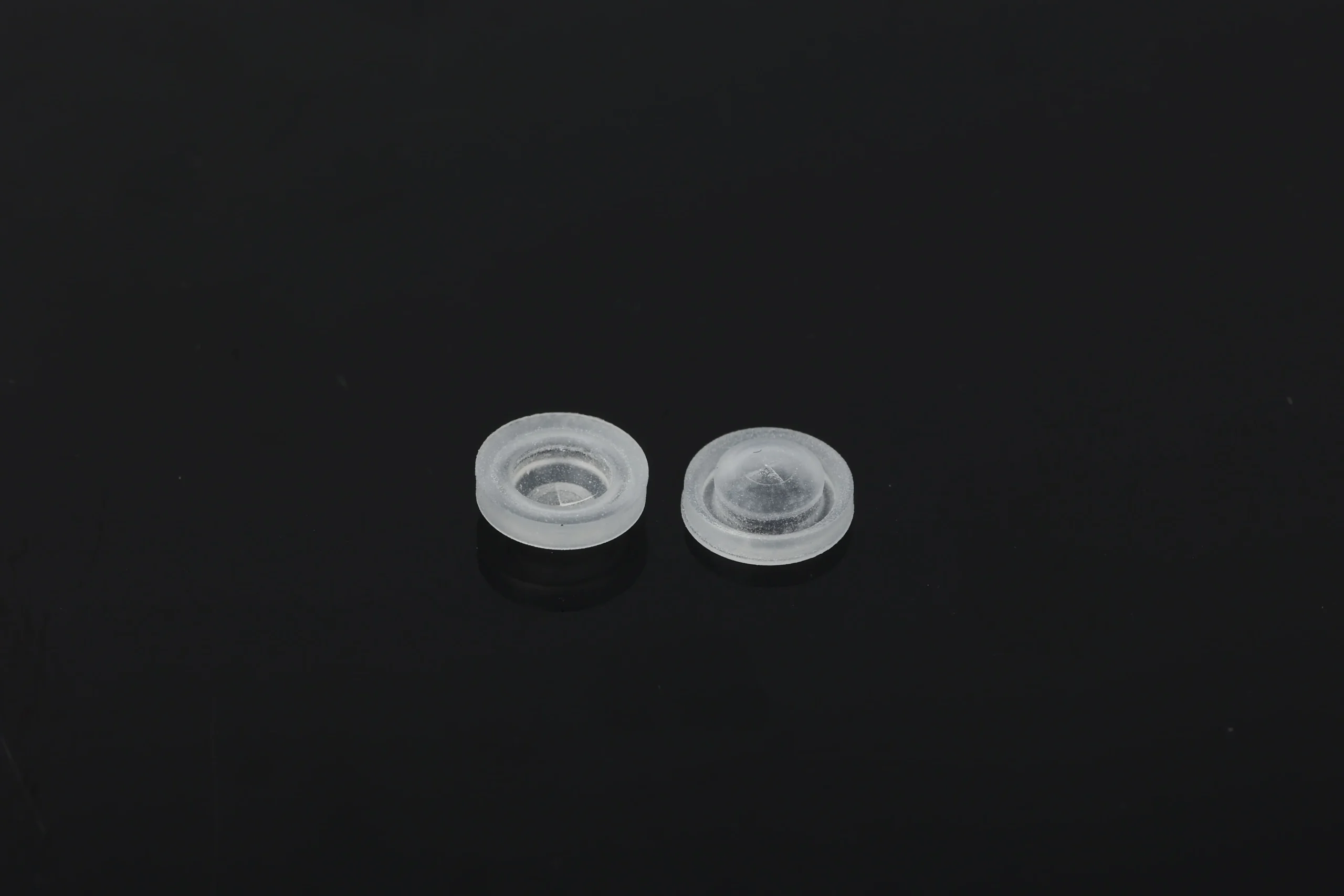
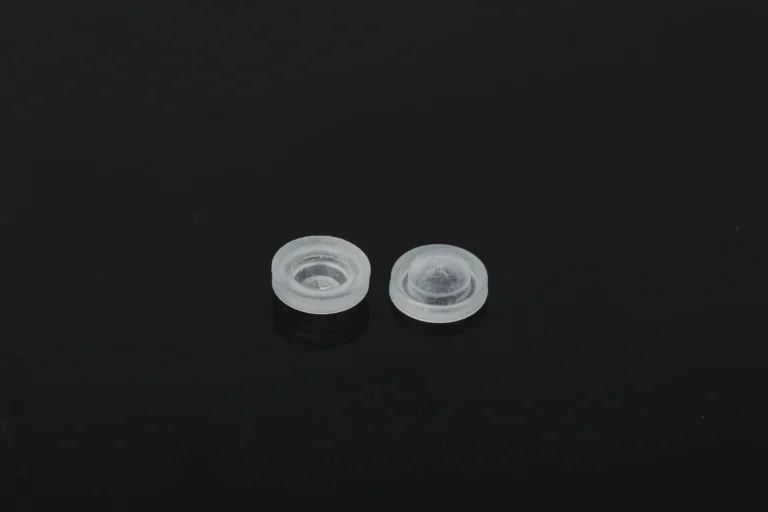
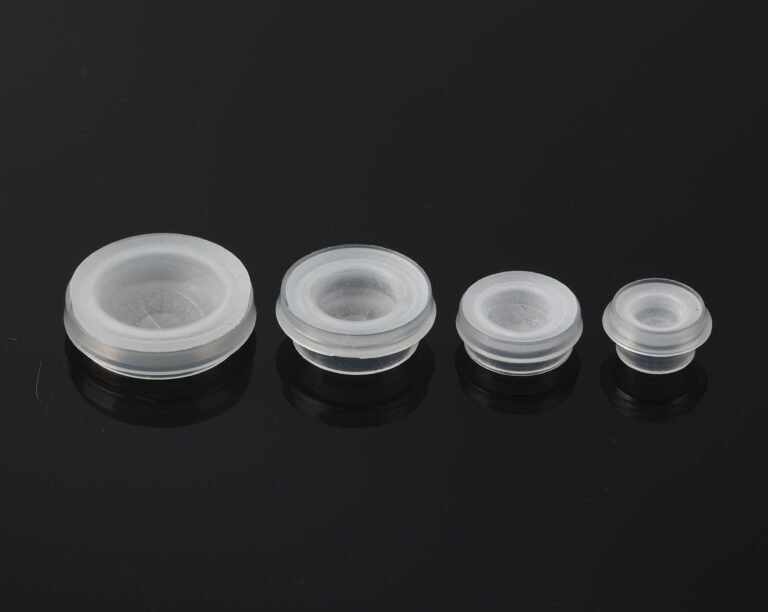
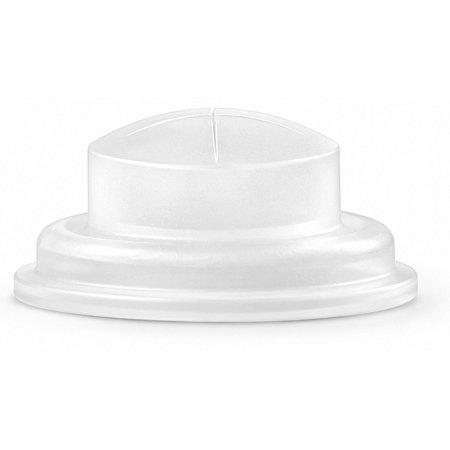
Bir seçim silicone valve for ketchup bottles involves more than confirming that it fits inside a flip-top cap. For manufacturers using automated assembly equipment, buyers also need to understand how the valve will be separated, oriented, transferred and inserted during continuous production.
A valve that works during manual assembly is not automatically validated for an automated line. Before approving volume supply, buyers should define both the component specifications and the equipment-handling requirements. Automated feeding systems depend on reliable separation, orientation and presentation of parts to the assembly station.
Confirm the Valve and Cap Specifications
Start with the valve drawing, cap-seat drawing and retaining-ring details, where applicable. Review the valve’s outer diameter, edge thickness, overall profile and agreed dimensional tolerances.
Do not rely only on a model name or bottle neck size. The bottle-to-cap interface and the valve-to-cap interface are separate requirements. Your project brief should also identify the required valve orientation, feeding method and insertion process.
Useful information to prepare includes:
Valve and closure drawings
Reference samples of the complete assembly
Existing feeder and insertion equipment details
Target production rate
Current handling problems
Agreed inspection and acceptance criteria
Evaluate Feeding and Orientation
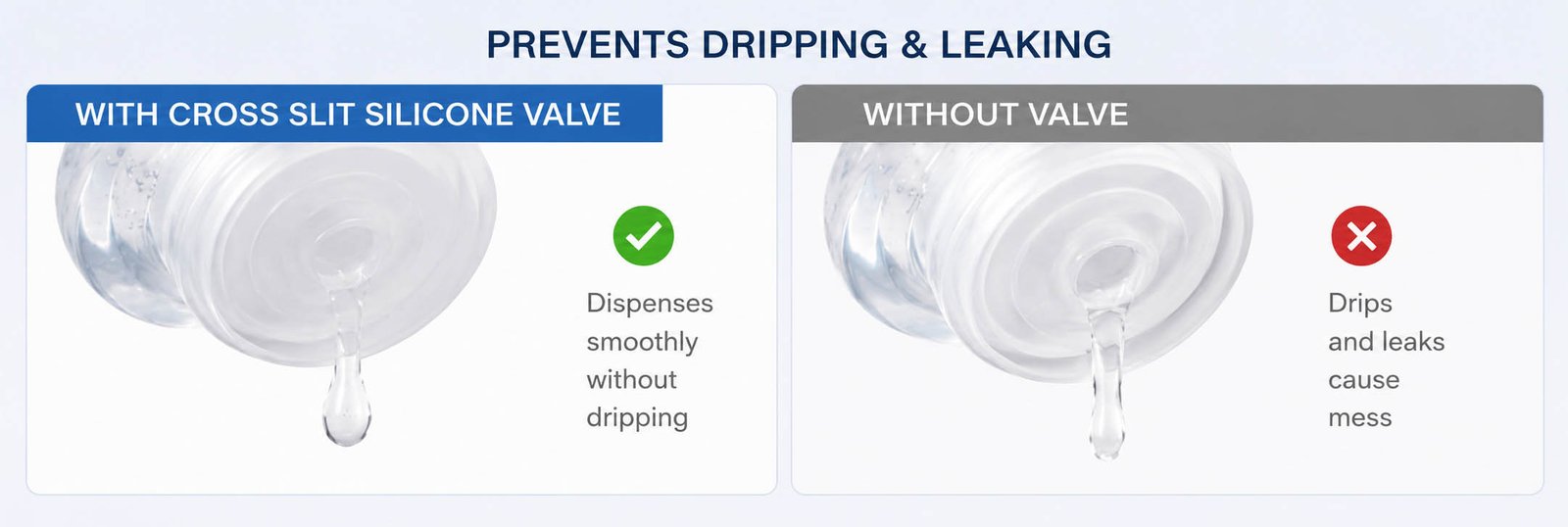
A silikon valf must reach the insertion station in the correct position. Depending on component design and material behavior, feeding challenges may include sticking, overlapping or electrostatic charging.
A documented silicone-seal feeding application required a specially designed track, controlled hopper supply and electrostatic discharge equipment to address these issues. Although this was not a ketchup-valve application, it demonstrates why flexible silicone components should be evaluated on the actual feeding system.
During review, ask:
Can the feeder separate individual valves consistently?
How does the system identify the correct orientation?
How are incorrectly positioned components rejected?
Can the transfer process avoid folding or damaging the valve?
İlgili Makaleler:
Match the Delivery Format to the Equipment
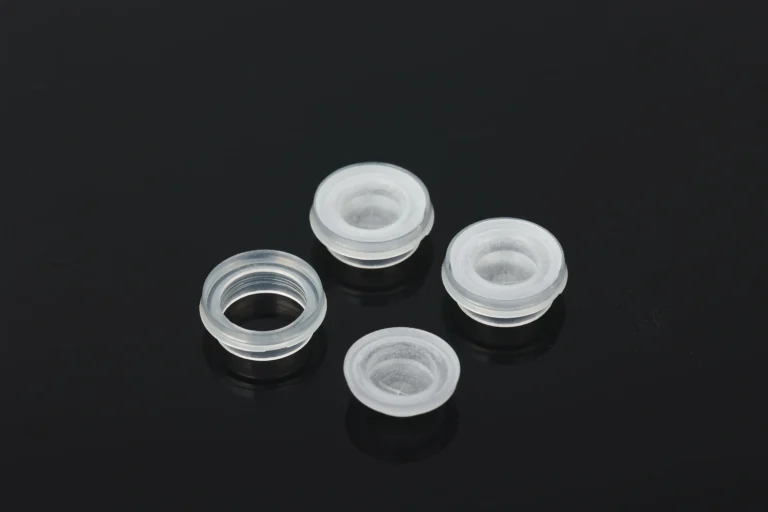
Loose packaging is not automatically the best choice for every assembly line. Buyers should confirm whether the equipment requires bulk feeding, tray-based picking or another component presentation method.
One documented automatic valve assembly system uses bowl feeders for certain components and trays for others. This illustrates that delivery formats should follow equipment requirements rather than packaging cost alone.
Agree on packing quantities, loading methods and handling requirements before ordering production quantities.
Run a Production-Line Trial
A successful single insertion does not establish reliable continuous assembly. Conduct a trial using the intended valve, cap, retaining components and equipment settings.
Record:
Feeding interruptions and stoppage causes
Orientation and pickup errors
Insertion success and rejected assemblies
Visible valve damage
Correct seating and retention
Sensors or vision systems may support orientation and component-presence checks, depending on the equipment design. However, automated handling approval should remain separate from functional approval of the finished closure.vtrfeedersolutions
Define Requirements Before Ordering
For automated ketchup cap assembly, the purchasing specification should cover both valve fit and production-line handling. Share your drawings, equipment requirements and expected quantity with the supplier, then agree on a trial and acceptance plan before approving volume supply.
Silicone Valve Automated Assembly
Find answers about silicone valve compatibility with automated cap assembly, component feeding, orientation, packaging formats, supplier requirements, and production line trials.
01
Can any silicone valve be used in automated cap assembly?
No universal compatibility should be assumed. Review component geometry, orientation and handling requirements, then confirm performance through an equipment trial.
02
What should I send to the supplier?
Provide drawings, reference samples, feeder details, insertion requirements and the target production rate. These help define how the component must be presented to the assembly station.
03
Why do silicone components sometimes feed inconsistently?
Potential issues include sticking, overlapping and static. Their significance depends on the component and feeder, so evaluate the actual combination.
04
Should valves arrive loose or in trays?
Choose the format around the loading system. Automated assembly equipment may use different feeding methods for different components.
05
What matters most during a line trial?
Check repeatable feeding, correct orientation and successful assembly—not just one successful cycle. Define separate acceptance criteria for component handling and the finished closure.
Tüm Vanalar Stokta | Hızlı Teslimat
Şimdi Ücretsiz Örnek Alın
3 gün içinde gönderime hazır. Rekabetçi fiyat. Ücretsiz numune mevcut!
*Minimum sipariş miktarı 10,000 adet.