 Turkish
  English
  German
  Spanish
  Italian
  Russian
  Arabic
  Korean
  Japanese
  French
  Dutch
Dutch  Danish
  Norwegian
  Portuguese
  Czech
Czech  Lithuanian
  Polish
  Slovenian


Meyve Suyu Ambalajı Alıcıları Neden Deneyimli Silikon Valf Kapağı Üreticilerini Tercih Ediyor?
İçindekiler
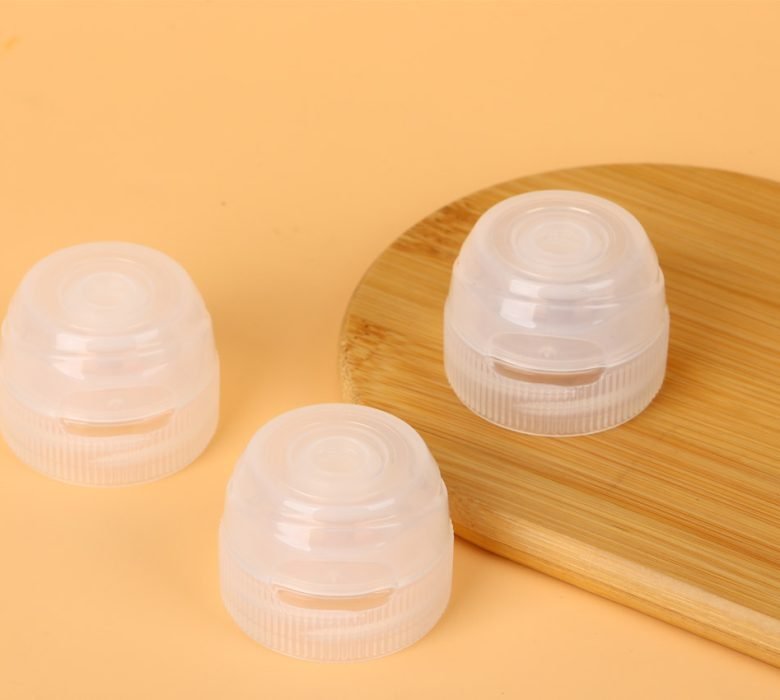
Meyve suyu ambalajı markaları, ambalaj geliştirme sırasında birçok baş ağrısıyla karşılaşır. Bir şişe raflarda güzel görünebilir. Ancak sızdıran bir kapak, müşterilerin güvenini birkaç gün içinde sarsabilir. Bu nedenle pek çok içecek şirketi artık deneyimli tedarikçileri tercih ediyor. 38 400 Flip Top Kapak üretim.
Silikon valfli açılır kapanır kapak basit bir sızdırmazlıktan çok daha fazlasını yapar. Bu tür ambalajlar tazelik dağıtım akışını taşıma güvenliğini raf ömrünü ve tüketici konforunu etkiler. Bu nedenle alıcılar tedarikçileri nadiren sadece fiyata göre seçerler.
Bunun yerine akıllı markalar uzun vadeli performansa odaklanır. Valf yapısı, gıda güvenliği, menteşe ömrü ve sıcak dolum stabilitesi hakkında zor sorular sorarlar. Dahası, tedarikçilerden seri üretim başlamadan önce sorunları çözmelerini beklerler.
Deneyimli üreticiler genellikle bu endişeleri daha hızlı anlar.
Sonuç olarak yetenekli fabrikalar, alıcıların sızıntı şikayetlerinden, yapışkan şişe yüzeylerinden, kırık menteşelerden ve dolum hattının kapanmasından kaçınmasına yardımcı olur. Bu, kalabalık perakende pazarlarında rekabet eden modern meyve suyu markaları için büyük önem taşır.
Gıda Ambalajı Alıcıları Neden Deneyimli 38 400 Flip Top Kapak Üreticilerine İhtiyaç Duyuyor?
Birçok meyve suyu ürünü posa şeker lifi veya meyve asidi içerir. Bu nedenle paketleme koşulları sıradan su şişelerine kıyasla çok daha sert hale gelir.
Ucuz kapaklar numune testleri sırasında işe yarayabilir. Ancak toplu sevkiyatlar genellikle daha sonra çirkin kusurları ortaya çıkarır.
Yaygın arızalar şunlardır:
- Valf damlatıyor
- İplik uyuşmazlığı
- Menteşe çatlaması
- Zayıf sızdırmazlık
- Isı dolumundan sonra kapak deformasyonu
Bu riskler nedeniyle alıcılar genellikle uzun yıllara dayanan vana kapağı deneyimine sahip tedarikçileri tercih etmektedir.
Deneyimli Tedarikçiler Meyve Suyu Paketleme Zorluklarını Anlıyor
Meyve suyu şampuan veya sostan farklı davranır. Viskozite sıcaklık değişimleri altında değişir. Meyve asidi zayıf silikona saldırabilir. Bu arada nakliye titreşimi küçük sızıntılar yaratabilir.
Deneyimli fabrikalar bu tehlikeleri zaten bilmektedir. Bu nedenle genellikle daha iyi vana yarığı tasarımları ve daha güçlü sızdırmazlık yapılarını erkenden önerirler.
Nitelikli Fabrikalar Paketleme Riskini Azaltıyor
Ambalaj hatası büyük mali kayıplar yaratır. Perakende iadelerinde hasarlı etiketler ve sızıntı yapan kartonlar marka imajını hızla zedeler.
Bu nedenle alıcılar genellikle bunu yapabilen tedarikçileri seçerler:
- Sızıntı testi
- Tork testi
- Sıcak dolum doğrulaması
- Valf yorulma testi
- Otomatik hat uyumluluk kontrolleri
Bu hizmetler daha sonra yaşanacak sorunları azaltır.
Referanslar:
1. Silikon Valf ile Kapatma Ürün Kalitesini Korumaya Nasıl Yardımcı Olur?
2. Dökülmelere Elveda Deyin: Silikon Çapraz Yarık Valf Hassasiyeti ve Kontrolü Nasıl Geliştirir?
3. Sabitleyin, Mühürleyin, Koruyun: Dağıtım Kapatma Ambalajının Gücü Ortaya Çıktı
4. 28 410 çevirmeli üst kapak neden şişeler için bir üst dağıtım kapağıdır
38 400 Flip Top Kapak Gıda Sınıfı Malzemelerden mi Üretilmiştir?
Meyve suyu markaları için gıda güvenliği en önemli önceliktir. Bu nedenle alıcılar onaylamadan önce reçine ve silikon kalitesini dikkatle inceler.
Gıda Sınıfı Reçine Neden Önemlidir?
Düşük dereceli plastik uzun süreli depolama sırasında koku yayabilir. Daha da kötüsü asidik meyve suyu dengesiz malzemelerle reaksiyona girebilir.
Bu nedenle deneyimli üreticiler genellikle şunları sağlar:
- FDA uyumluluk dosyaları
- BPA içermeyen beyanlar
- Gıda ile temas sertifikaları
- Silikon malzeme raporları
Bu belgeler, markaların ithalat kontrollerini sorunsuz bir şekilde geçmesine yardımcı olur.
Deneyimli Tedarikçiler Genellikle Daha İyi Malzeme İstikrarı Sunar
Yetenekli fabrikalar genellikle daha yüksek saflıkta PP reçine ve daha güvenli silikon bileşikleri seçer. Sonuç olarak kapaklar ısıya maruz kalma ve tekrarlanan sıkma sırasında daha iyi performans gösterir.
Bu istikrar, uzun sevkiyat döngüleriyle karşı karşıya olan ihraç meyve suyu ürünleri için önemlidir.
Silikon Valf Taşıma Sırasında Kaçağı Önleyebilir mi?
Sızıntı önleme, alıcıların vana kapağı uzmanlarını seçmesinin önemli bir nedeni olmaya devam etmektedir.
Sızdıran bir meyve suyu şişesi yapışkan kartonlara, mahvolmuş etiketlere ve mutsuz perakendecilere neden olur. Bu nedenle ambalaj geliştirme sırasında taşıma performansına büyük önem verilir.
Nakliye Sırasında Neden Kaçak Olur?
Çeşitli koşullar sızıntıyı tetikleyebilir:
- Hava basıncı değişiklikleri
- Karton sıkıştırma
- Tekrarlanan titreşim
- Yüksek sıcaklıkta depolama
- Zayıf valf geri tepmesi
Ucuz valfler bu koşullar altında genellikle arızalanır.
Deneyimli Üreticiler Daha İyi Sızıntı Direnci Oluşturur
Profesyonel tedarikçiler genellikle vana sızdırmazlığını gerçek taşıma simülasyonu altında test eder.
Performans gösterebilirler:
- Ters çevrilmiş depolama testleri
- Vakum testleri
- Düşme testleri
- Sıkıştırma kontrolleri
Sonuç olarak alıcılar, toplu sevkiyat başlamadan önce daha fazla güven kazanıyor.
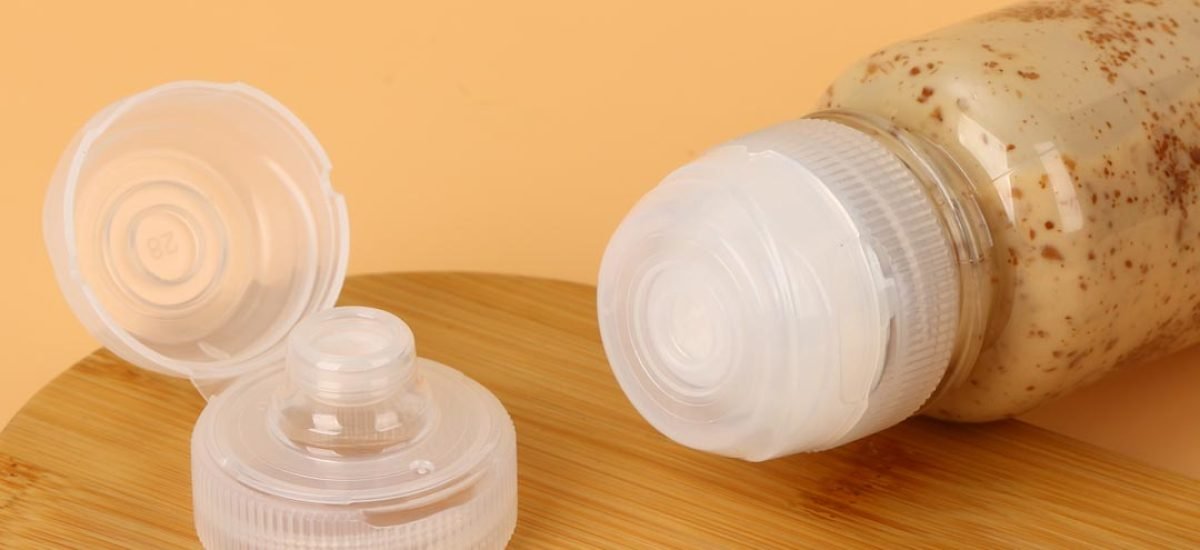
Flip Top Kapak Tekrar Tekrar Sıkıldıktan Sonra Sızdırır mı?
Tüketiciler meyve suyu şişelerini nadiren nazikçe sıkarlar. Çocuklar özellikle günlük kullanım sırasında sert baskı uygularlar.
Bu nedenle tekrarlanan dağıtım döngüleri büyük önem taşır.
Zayıf Silikon Valfler Sızdırmazlık Kuvvetini Kaybediyor
Zayıf silikon hafızası, sıkma işleminden sonra yarık açıklıklarının kısmen açık kalmasına neden olur. Ardından kalan meyve suyu yavaşça şişe boynunun dışına damlar.
Yapışkan kalıntılar müşterileri çabuk rahatsız eder.
Deneyimli Tedarikçiler Vana Geri Kazanımını İyileştiriyor
Yetenekli üreticiler genellikle ayarlama yapar:
- Silikon sertliği
- Yarık kalınlığı
- Valf geometrisi
- Açılış basıncı
Bu faktörler valf dudaklarının her sıkmadan sonra daha hızlı kapanmasına yardımcı olur.
Sonuç olarak şişeler uzun süreli kullanımda daha temiz kalır.
38 400 Flip Top Kapak Sıcak Dolum Uygulamalarını Kaldırabilir mi?
Birçok meyve suyu markası daha uzun raf ömrü için sıcak dolum işlemi kullanmaktadır. Bu nedenle ısı altında kapak performansı kritik hale gelmektedir.
Isı Ambalaj Stresi Yaratır
Sıcak dolum neden olabilir:
- Kapak eğrilmesi
- Conta deformasyonu
- Valf yumuşatma
- Tork kararsızlığı
Zayıf kapaklar soğuduktan sonra sızıntı yapabilir.
Deneyimli Üreticiler Sıcak Dolgu Koşullarını Anlar
Profesyonel tedarikçiler genellikle sevkiyat onayından önce kapakları yüksek sıcaklıklar altında test eder.
Kontrol ediyorlar:
- Conta tutma
- Valf geri tepmesi
- Konu stabilitesi
- Soğutmadan sonra menteşe mukavemeti
Sonuç olarak alıcılar ticari dolum sırasında üretim sürprizlerini azaltır.
Flip Top Kapak İstikrarlı Tork Performansını Koruyor mu?
Tork tutarlılığı hem sızdırmazlığı hem de otomasyonu etkiler.
Tork çok gevşek kalırsa sızıntı riski artar. Tork çok sıkı olursa tüketiciler şişeleri açmakta zorlanır.
Tork Değişkenliği Neden Sorun Yaratır?
Tutarsız boyutlar otomatik kapak kapatma makinelerini sıkıştırabilir. Dolum hattı hızı daha sonra keskin bir şekilde düşer.
Bu sorun büyük içecek fabrikalarını hayal kırıklığına uğratıyor.
Deneyimli Fabrikalar Genellikle Toleransı Daha İyi Kontrol Eder
Güçlü tedarikçiler izler:
- Kalıp boşluğu boyutları
- Reçine büzülmesi
- Konu hassasiyeti
- Enjeksiyon basıncı
Bu nedenle yüksek hızlı üretim sırasında kapak uygulaması daha sorunsuz kalır.
Meyve Suyu Ambalajı için Hangi Silikon Valf Tasarımı Daha İyi Çalışır?
Valf yapısı dağıtım davranışını önemli ölçüde değiştirir.
Farklı meyve suyu ürünleri farklı akış kontrol sistemleri gerektirir.
Ördek Gagası Vana vs Çapraz Yarık Vana
Ördek gagalı valfler genellikle daha kalın sıvılar için iyi çalışır. Çapraz yarıklı valfler genellikle daha hafif meyve suyu ürünleri için daha temiz yeniden sızdırmazlığı destekler.
Deneyimli tedarikçiler, alıcıların uygun yapıyı seçmelerine yardımcı olur:
- Meyve suyu viskozitesi
- Kağıt hamuru içeriği
- Akış hızı hedefleri
- Sıkma kuvveti
Bu rehberlik, daha sonra birçok dağıtım şikayetini önler.
Özel Vana Tasarımı Genellikle Tüketici Deneyimini İyileştirir
Bazı markalar daha yumuşak sıkma hissi ister. Diğerleri daha yavaş kontrollü akışı tercih eder.
Profesyonel üreticiler değişiklik yapabilir:
- Yarık uzunluğu
- Silikon kalınlığı
- Valf açma basıncı
Böylece ambalaj performansı ürün stiliyle daha yakından eşleşir.
Flip Top Menteşe Kaç Açma ve Kapama Döngüsünün Üstesinden Gelebilir?
Tüketiciler bir meyve suyu kapağını şişe boşalmadan önce onlarca kez açabilir. Bu nedenle menteşe dayanıklılığı büyük önem taşır.
Zayıf Menteşeler Çabuk Kırılır
Kötü menteşe tasarımı yaratır:
- Stres beyazlatma
- Çatlama
- Gevşek kapak hizalaması
- Çıtçıt arızası
Kırık kapaklar kullanıcı deneyimine büyük zarar verir.
Deneyimli Üreticiler Genellikle Menteşe Yorulmasını Test Eder
Profesyonel fabrikalar, üretim kalıplarını onaylamadan önce genellikle tekrarlanan açma döngüsü testleri gerçekleştirir.
Bu testler, günlük kullanımda uzun süreli dayanıklılığın doğrulanmasına yardımcı olur.
Sonuç olarak, alıcılar piyasaya sürüldükten sonra daha az müşteri şikayetiyle karşılaşıyor.
Meyve Suyu Ambalajı Alıcıları İçin Otomasyon Uyumluluğu Neden Önemlidir?
Büyük içecek şirketleri büyük ölçüde otomatik dolum hatlarına güvenmektedir. Bu nedenle kapak boyutları son derece sabit kalmalıdır.
Kötü Yapılmış Kapaklar Üretimi Yavaşlatıyor
Zayıf boyutsal kontrol neden olabilir:
- Besleme sıkışmaları
- Eğri kapak
- Tork tutarsızlığı
- Conta arızası
Bu da pahalı bir kesinti süresine neden olur.
Deneyimli Üreticiler Dolum Hattı Taleplerini Anlıyor
Yetenekli tedarikçiler genellikle destek verir:
- Yüksek hızlı kapatma
- Otomatik besleme sistemleri
- Kararlı diş toleransı
- Toplu paketleme optimizasyonu
Sonuç olarak üretim çalışmaları daha sorunsuz devam eder.
Alıcılar Neden Uzun Vadeli Silikon Valf Kapağı Ortaklarını Tercih Ediyor?
Ambalaj projeleri ilk sevkiyattan sonra nadiren sona erer. Meyve suyu markaları genellikle daha sonra yeni tat boyutları ve sezonluk ürünler piyasaya sürer.
Bu nedenle alıcılar genellikle uzun vadeli destek sağlayabilecek tedarikçiler ararlar.
Deneyimli üreticiler genellikle şunları sağlar:
- Daha hızlı geliştirme
- Daha iyi sorun giderme
- İstikrarlı kalite kontrolü
- Esnek özelleştirme
- Güçlü ihracat bilgisi
Bu işbirliği markaların daha hızlı büyümesine yardımcı oluyor.
Son Düşünceler
Deneyimli birini seçmek 38 400 Flip Top Kapak üreticisi, meyve suyu markalarının maliyetli ambalaj hatalarından kaçınmasına yardımcı olur. Yetenekli tedarikçiler, sızıntı risklerini, sıcak dolum basınç valfi performansını ve tüketici dağıtım davranışını deneyimsiz fabrikalardan çok daha iyi anlar.
xflsrmolding'de meyve suyu ve sıvı paketleme uygulamaları için gıda sınıfı silikon valf kapaklarına odaklanıyoruz. Ekibimiz sızıntı testi, sıcak dolum uyumluluğu, kararlı tork kontrolü ve özel valf çözümlerini desteklemektedir. Böylece alıcılar daha güvenli paketleme, daha sorunsuz üretim ve daha az satış sonrası sorun elde etmektedir.
Modern meyve suyu ambalajlarının başarısı için güvenilir kapaklar ürün lezzeti kadar önemlidir. Güçlü bir silikon valf kapağı hem müşteri deneyimini hem de marka itibarını korur.
Tüm Kapaklar Stokta | Hızlı Teslimat
Şimdi Ücretsiz Örnek Alın
3 gün içinde gönderime hazır. Rekabetçi fiyat. Ücretsiz numune mevcut!
*Minimum sipariş miktarı 10,000 adet.

Cảm ơn thông tin bổ ích. Nếu bạn quan tâm du học Hàn Quốc, Letco chuyên tư vấn lộ trình, chọn trường và xin visa với tỷ lệ đậu cao. Xem chi tiết tại letco.vn.