Polish
  English
  German
  Spanish
  Italian
  Russian
  Arabic
  Korean
  Japanese
  French
  Dutch
Dutch  Danish
  Norwegian
  Portuguese
  Turkish
  Czech
Czech  Lithuanian
  Slovenian


Jak silikonowe zawory z poprzeczną szczeliną zapobiegają kapaniu w opakowaniach środków odkażających?
Spis treści
Dlaczego silikonowe zawory z poprzeczną szczeliną są narażone na problemy związane z kapaniem grawitacyjnym?
Jeśli kiedykolwiek używałeś butelki ze środkiem dezynfekującym i zauważyłeś, że płyn zwisa z końcówki, widziałeś już problem, z którym borykał się ten klient.
Ten klient działa w branży opakowań higienicznych. Jego produkty obejmują środki do dezynfekcji rąk, żele alkoholowe i płyny czyszczące. Podczas testów okazało się, że płyn kapał po każdym użyciu. Nawet gdy butelka stała nieruchomo, środek odkażający powoli wydostawał się z dyszy.
Powód jest prosty. Płyny te są cienkie. Grawitacja ciągnie je w dół. Jeśli otwór nie jest w pełni uszczelniony, ciecz znajdzie drogę ucieczki.
Po kilku użyciach szyjka butelki stała się lepka. Zaczął zbierać się kurz. Niektóre butelki wyglądały na brudne na półkach sklepowych. Kilka nawet wyciekło podczas transportu.
Z punktu widzenia klienta nie była to tylko mała wada. Miała ona wpływ na to, jak ludzie oceniali produkt. Jeśli butelka środka odkażającego wygląda niechlujnie, ludzie kwestionują jej czystość.
Dlaczego tradycyjne silikonowe zawory dozujące zawodzą?
Klient najpierw wypróbował popularne opcje. Nakładki typu flip-top. Standard silikonowy zawór dozujący wkładki. Nawet niektóre podstawowe silikonowe zawory zwrotne.
Na papierze powinny one działać. W rzeczywistości jednak nie działały.
Większość tych konstrukcji opiera się na otwartych otworach lub luźnym uszczelnieniu. Po ściśnięciu butelki niewielka ilość płynu pozostaje w pobliżu otworu. Resztę robi grawitacja. Ciecz powoli wypływa na zewnątrz.
Kolejny problem pojawił się podczas użytkowania. Po ściśnięciu butelki wypływało zbyt dużo płynu na raz. Następnie, po zatrzymaniu, pojawiało się kilka dodatkowych kropel. Użytkownicy nie mogli kontrolować ilości płynu.
Niektóre zawory również z czasem zmieniły swoje zachowanie. Po wielokrotnym użyciu uszczelnienie stało się słabsze. Wystarczy niewielka szczelina, aby doszło do wycieku środka odkażającego.
Klient przeprowadził wiele testów z różnymi dostawcami. Każda próbka miała podobny wzór. Albo zawór był zbyt otwarty, albo zbyt sztywny. Żaden nie zapewniał zarówno kontroli, jak i uszczelnienia.
Testowanie w tę i z powrotem wymagało czasu. Opóźniło to również wprowadzenie produktu na rynek.
Jak zawór silikonowy z poprzeczną szczeliną kontroluje przepływ?
Kiedy klient zgłosił się do nas, spojrzeliśmy na problem od strony użytkownika. Żądanie było jasne: nie kapać i dozować tylko po ściśnięciu.
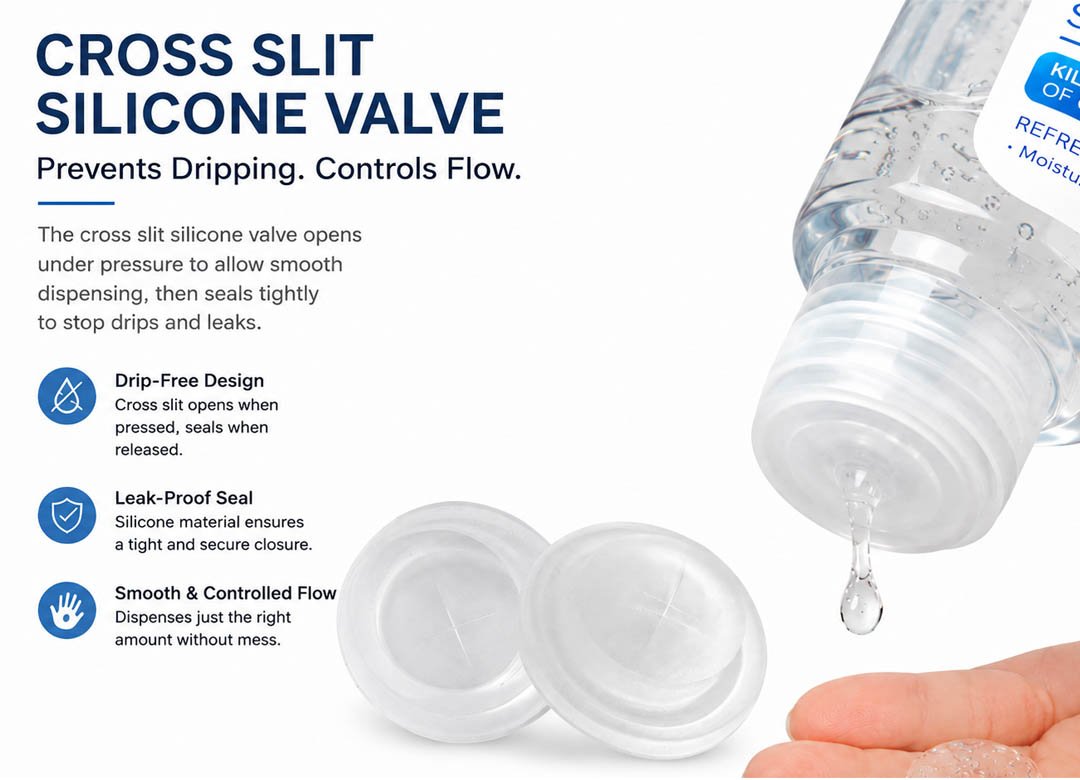
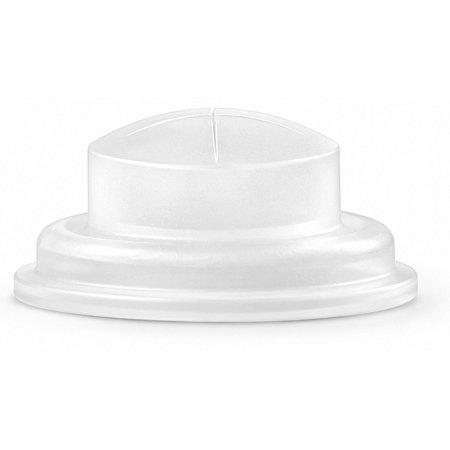
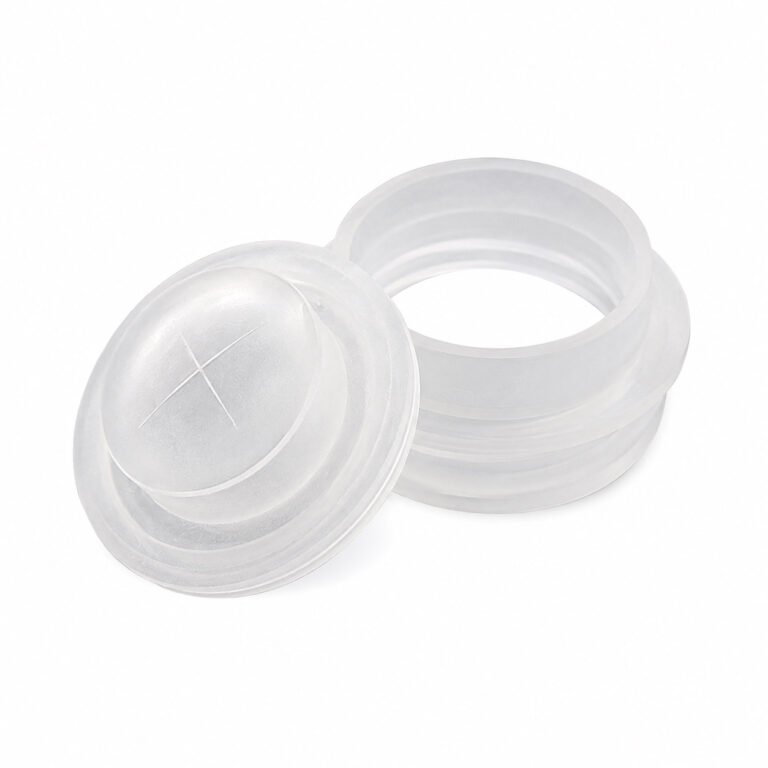
A Silikonowy zawór krzyżowy działa inaczej niż zwykłe otwarcie.
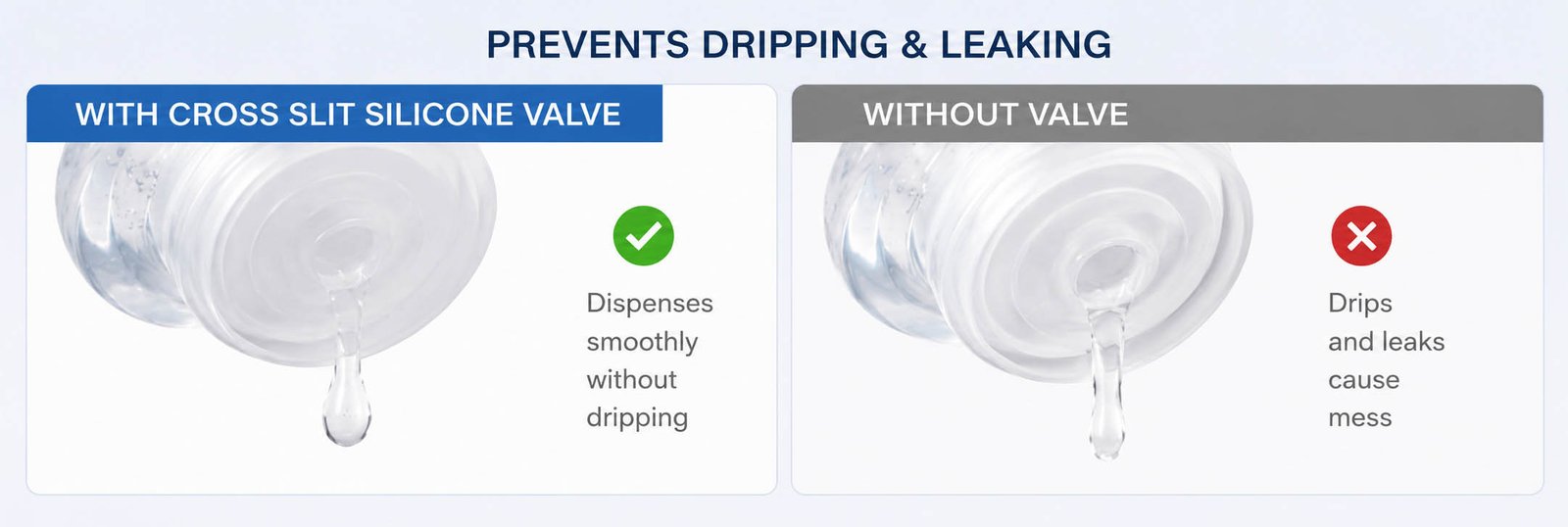
W stanie spoczynku zawór jest zamknięty. Przewody szczelinowe ściśle przylegają do siebie. Tworzy to uszczelnienie, które opiera się grawitacji. Nawet jeśli ciecz dotrze do zaworu, nie może się przez niego przedostać.
Gdy ściskasz butelkę, w jej wnętrzu wytwarza się ciśnienie. Ciśnienie to powoduje otwarcie szczeliny. Ciecz wypływa w kontrolowany sposób.
Po zaprzestaniu ściskania ciśnienie spada. Silikon powraca do swojego pierwotnego kształtu. Szczelina natychmiast się zamyka.
Nie ma już otwartej ścieżki dla cieczy. Tak więc kapanie ustaje.
Można o tym myśleć jak o drzwiach, które otwierają się dopiero po pchnięciu od wewnątrz. Bez pchnięcia nie otwierają się.
Powiązane artykuły:
Jak silikonowy zawór Cross Slit poprawia higienę i komfort użytkowania
Po przejściu na zawór krzyżowyZmiana była łatwa do zauważenia.
Dysza pozostała czysta. Koniec z cieczą wiszącą na końcówce. Brak lepkiego osadu wokół nasadki.
Podczas testów transportowych butelki pozostały suche. Nawet pod wpływem ciśnienia lub ruchu zawór pozostawał zamknięty. Pomogło to ograniczyć liczbę uszkodzonych opakowań i zwrotów.
Z punktu widzenia użytkownika wrażenia znacznie się poprawiły. Kiedy ściskali butelkę, płyn wypływał płynnie. Kiedy przestawali, płyn się zatrzymywał.
Bez dodatkowych kropli. Bez bałaganu.
Pomogło to również zmniejszyć ilość odpadów. Każde użycie dawało bardziej kontrolowaną ilość. Z czasem robi to różnicę, zwłaszcza w przypadku produktów codziennego użytku.
W przypadku produktów higienicznych czysty wygląd ma znaczenie. A niekapiący zawór dozujący Pomaga utrzymać bezpieczny i niezawodny wygląd produktu.
Dlaczego nasz silikonowy zawór z poprzeczną szczeliną rozwiązał ten problem?
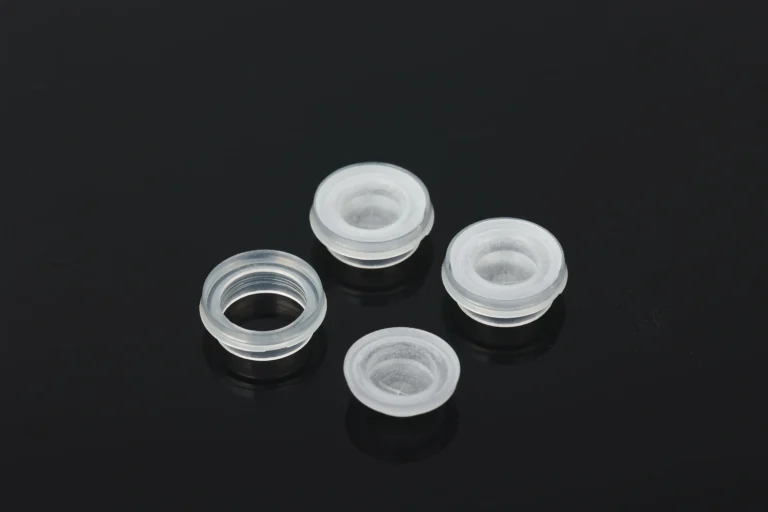
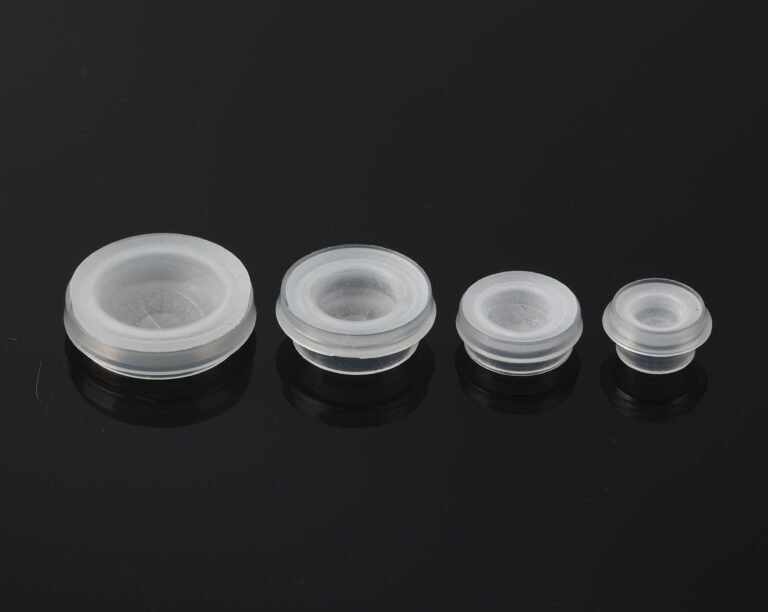
Nie użyliśmy standardowej części. Zbudowaliśmy niestandardowy Silikonowy zawór krzyżowy w oparciu o produkt klienta.
Najpierw dostosowaliśmy konstrukcję szczeliny. Kąt i głębokość poprzecznego nacięcia kontrolują łatwość otwierania i szczelność. Przetestowaliśmy kilka wersji, aby znaleźć właściwą równowagę.
Następnie wybraliśmy materiał silikonowy, który dobrze współpracuje z płynami na bazie alkoholu. Musiał pozostać stabilny, zachować swój kształt i nie reagować z formułą.
Dokładnie kontrolowaliśmy również proces formowania. Niewielkie zmiany grubości mogą wpływać na wydajność. Zachowaliśmy więc ścisłe tolerancje, aby upewnić się, że każdy zawór zachowuje się tak samo.
Efekt końcowy był prosty, ale skuteczny. Zawór pozostawał zamknięty w normalnych warunkach. Otwierał się płynnie pod ciśnieniem. Zamykał się natychmiast po użyciu.
Klient mógł bez obaw wprowadzić na rynek nowe opakowanie środka odkażającego. Skargi dotyczące kapania spadły. Poprawił się wygląd półki. Produkt był czystszy i łatwiejszy w użyciu.
Teraz twoja kolej
Chcesz złożyć zamówienie? Skontaktuj się z nami!
Wszystkie zawory w magazynie | Szybka dostawa
Pobierz bezpłatną próbkę już teraz
Gotowy do wysyłki w ciągu 3 dni. Konkurencyjna cena. Dostępne bezpłatne próbki!
*Minimalna ilość zamówienia 10 000 sztuk.