Japanese
  English
  German
  Spanish
  Italian
  Russian
  Arabic
  Korean
  French
  Dutch
Dutch  Danish
  Norwegian
  Portuguese
  Turkish
  Czech
Czech  Lithuanian
  Polish
  Slovenian


自動ディスペンシングシステムに適したシリコーンディスペンシングバルブの選び方
目次
クロススリット型シリコーンバルブの用途において、重力による漏れという課題が生じる理由
皆さんのラインでも、このような現象を目にしたことがあるかもしれません。機械は停止しているのに、ノズルからわずかな液滴が形成され、数秒後にそれが落ちてきます。
これは、当社の顧客の1社がまさに直面していた問題でした。その顧客は、逆さにした状態で消毒液を充填していました。液は常にバルブに接触した状態でした。システムが停止しているときでさえ、液がゆっくりと滴り続けていました。
最初は、大したことではないように見えた。しかし、勤務時間が経つにつれて、水滴が蓄積していった。ボトルはベタベタになり、機器の洗浄回数も増えた。汚れを理由に、一部の段ボール箱が不良品として返品された。
彼らは……を使ってみようとしたが、 液だれ防止シリコンバルブ そして、a 耐重力弁 他のサプライヤーから。その結果、状況は若干改善したものの、液だれは完全には止まらなかった。
彼らに本当に必要だったのは、液体が何時間もその上に溜まっていても閉じたままの状態を保つ、漏れのないディスペンシングバルブだった。
貴社にとって、この種の問題は単なる損失にとどまりません。製品の見た目や製造プロセスの安定性にも影響を及ぼします。
従来のシリコーンディスペンシングバルブの設計が、自動化において機能しない理由
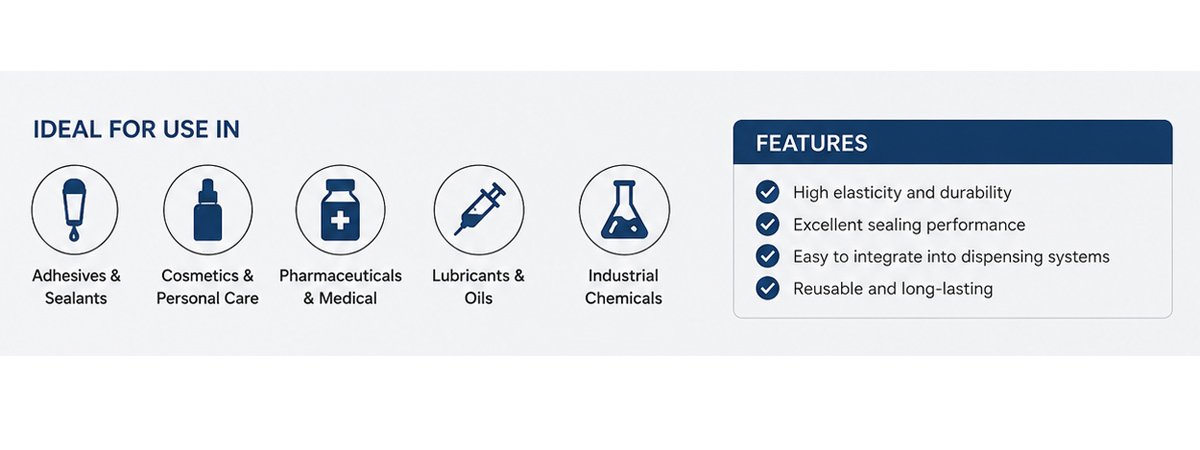
多くのシステムでは、今でも単純なオープニングや基本的な シリコンディスペンサーバルブ インサート。これらは手動での使用では問題なく動作しますが、自動ラインではしばしば故障します。
あるお客様から、ご自身の機械について次のような話を伺いました ディスペンスバルブ 各サイクルの開始時には問題なく動作していました。しかし、サイクルの合間に、液体がじわじわと漏れ続けていました。明確に止まるタイミングはありませんでした。
問題は構造に起因しています。これらのバルブは完全に閉じていません。液体が流れることができるわずかな経路が常に存在しているのです。
もう一つの問題は制御です。制御された吐出バルブは、毎回同じ吐出量を出すべきです。標準的な設計では、流れの最初は勢いよく出て、その後勢いが弱まり、最終的には滴り落ちるようになります。
時間が経つにつれて、状況は悪化していきます。材料の疲労、化学物質への曝露、そしてわずかな形状の変化などが、すべてシール性能に影響を及ぼします。
一部のサプライヤーは、標準部品しか取り扱っていません。バルブの取り付けがうまくいかない場合や、圧力が合わない場合、彼らに調整できる余地はほとんどありません。
結局、明確な解決策がないまま、何度も何度もテストを繰り返すことになる。
クロススリット型シリコーンバルブの設計が、圧力制御による流量調整をどのように可能にするか
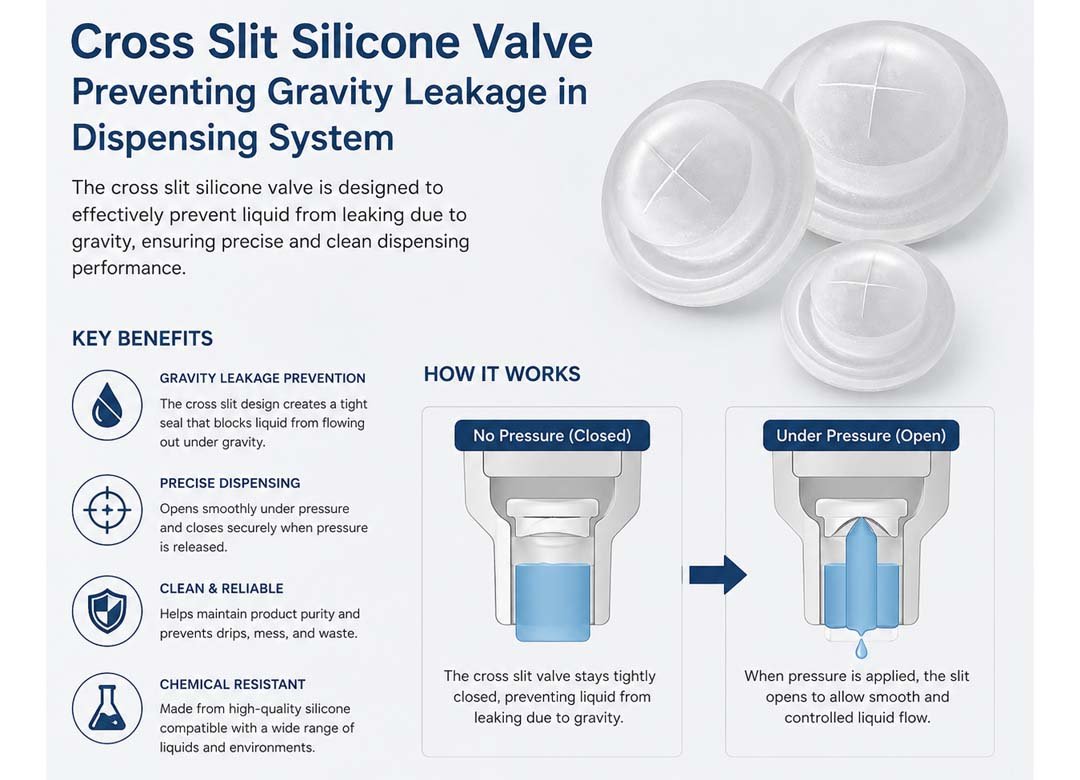
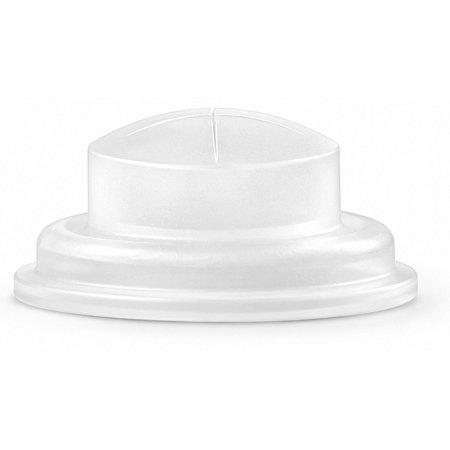
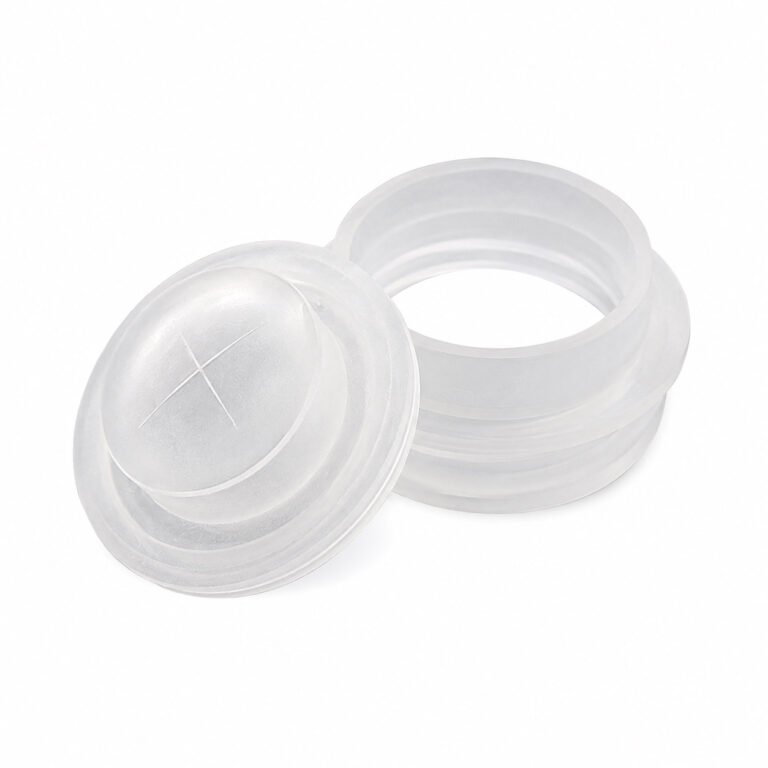
A クロススリットシリコンバルブ 仕組みが異なります。開口部に依存していません。
静止状態では、スリットは閉じている。素材がそれ自体に押し付けられている。これが、この素材を自己密閉型にしている理由である。 シリコンバルブ.
液体はその上に溜まることはありますが、中を通り抜けることはありません。
システム内部の圧力が上昇すると、スリットが開きます。開口部は小さく、制御されています。圧力レベルに応じて反応するため、流量は安定した状態を保ちます。
圧力がなくなると、スリットは即座に閉じます。遅れは一切ありません。これが、「圧力作動式シリコーンバルブ」と呼ばれる理由です。
実際の使用においては、これによりオン・オフの動作が明確になります。このバルブは推測を行わず、システムへの反応が直接的です。
自動化設備の場合、そのような反応は大きな違いをもたらします。各サイクルで何が起こるかを予測できるからです。
関連記事
自動化システムにおけるクロススリット型シリコーンバルブ技術のメリット
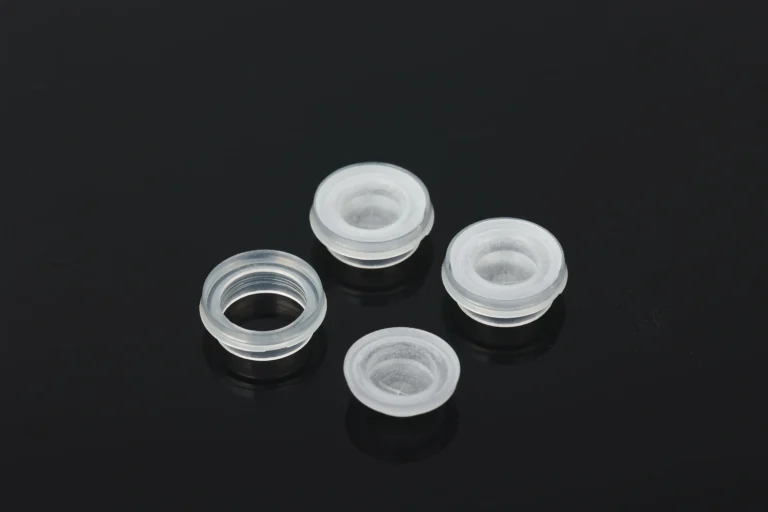
クロススリット式ディスペンシングバルブに切り替えた後、顧客が真っ先に気づくのはその清潔さです。
充填後も液だれが発生しません。ノズルは乾いた状態を保ちます。充填エリア周辺の設備も、より清潔な状態を保てます。
シリコン製バルブの液だれ防止効果は常に一定です。操作者の習慣やタイミングに左右されることはありません。バルブが自動的に流量を制御します。
精度も向上します。バルブは圧力がかかったときのみ開くため、各サイクルで同様の出力が得られます。これは、再現性のある定量供給が必要な場合に役立ちます。
このような流量制御用シリコンバルブは、無駄も削減します。サイクルの合間にわずかな漏れが発生することはありません。
長期的な運用においては、これにより、清掃の手間が軽減され、不良品の発生が減り、より安定した稼働が実現します。
複雑な変更ではありませんが、多くのチームが日々直面している問題を解決するものです。
クロススリット型シリコーンバルブを用いて、お客様の精密な機械ディスペンシングを実現した事例
このプロジェクトは、衛生用品の包装メーカーからの依頼によるものでした。同社では、液体消毒剤の自動生産ラインを稼働させていました。主な課題は、充填後の液漏れでした。
まず、その設置状況を確認しました。容器は逆さまに保管されていました。バルブは常に液体の圧力にさらされていました。キャップ内部のスペースも限られていました。
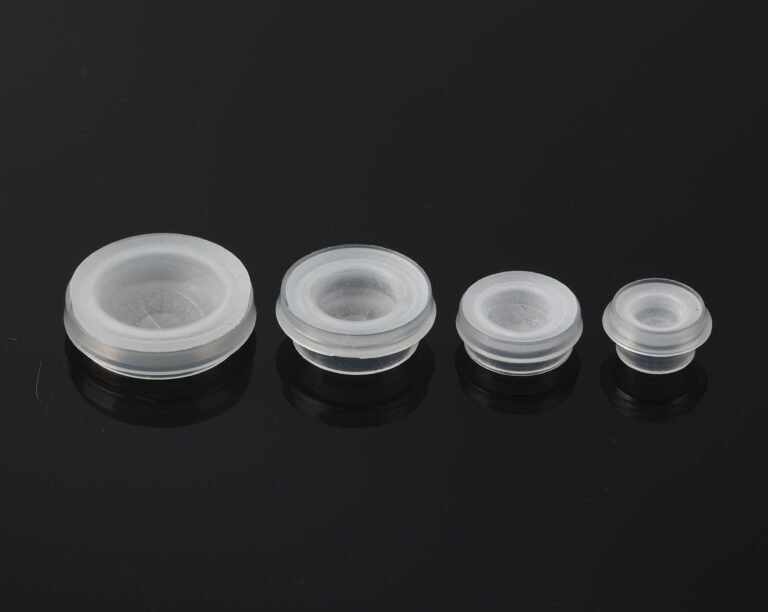
まず、嵌合状態を確認しました。サイズにわずかなズレがあると、密閉に問題が生じる可能性があります。そこで、バルブの寸法を調整し、閉鎖部にぴったり合うようにしました。
次に、スリットの設計に取り組みました。さまざまなスリットの深さや角度を試しました。目標は単純でした。内容物を取り出すときは簡単に開く一方で、重力がかかっているときは閉じたままにしておくことでした。
素材も重要な要素でした。この液体にはアルコールが含まれていたため、形状を保ち、膨潤しないLSRグレードを選定しました。
サンプリング作業中、従来のバルブと並行して比較試験を行いました。その違いは明らかでした。従来のバルブからはゆっくりと水が滴り落ちていましたが、新しいクロススリット型シリコンバルブは、サイクルの合間も乾いた状態を保っていました。
導入後、その生産ラインの稼働はより安定しました。オペレーターの清掃にかかる時間が短縮されました。製品のロスが減少しました。充填工程の管理が容易になりました。
彼らにとっては、その変更は些細なものでした。たった1つのバルブに過ぎません。しかし、それによって数ヶ月間続いていた問題が解消されました。
このような結果は、バルブを実際の使用条件に合わせて選定したことに起因しています。サイズ、圧力、材質、設置方法、これらすべてが重要な要素となります。これらが適切に組み合わさると、クロススリット式シリコンバルブは静かに、かつ確実にその役割を果たします。
今度はあなたの番
ご注文はお決まりですか? お問い合わせ!
全バルブ在庫あり|短納期
今すぐ無料サンプルを入手する
3日以内に出荷可能。競争価格。利用できる試供品!
*最低注文数量 10,000台。